
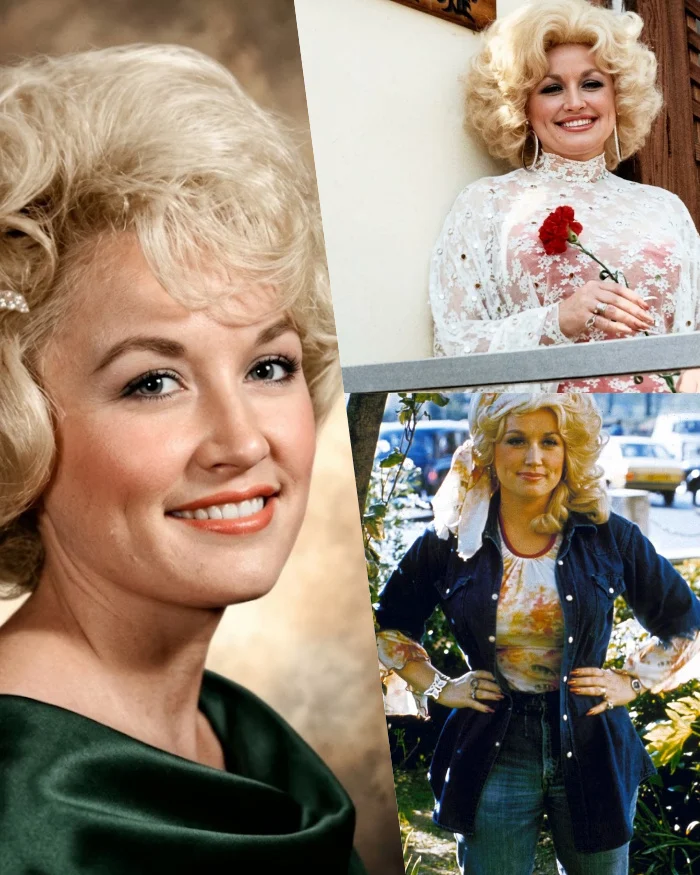
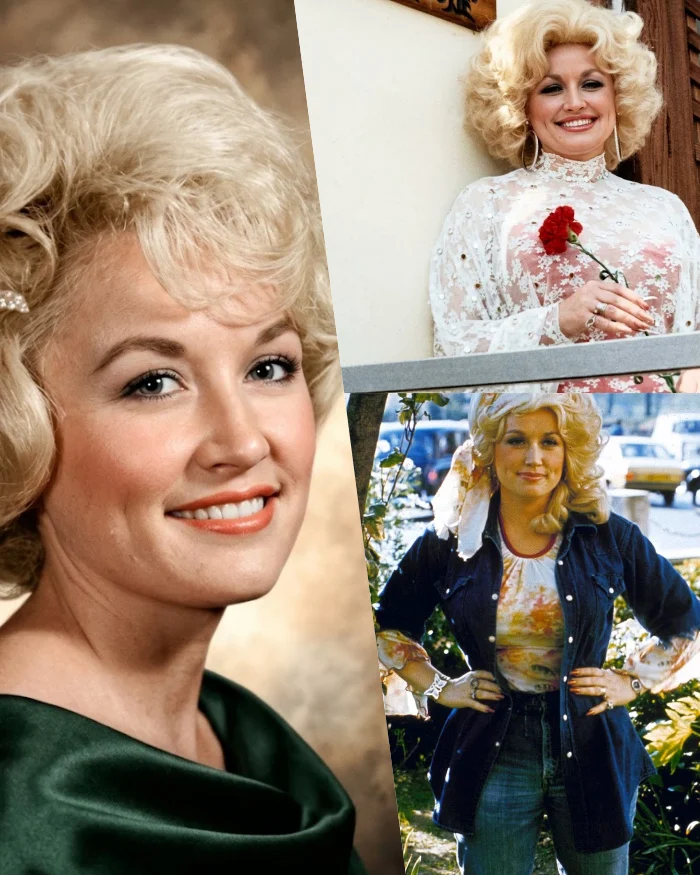
Cold nights in a parked car, bread rolls from hotel trays, and a guitar case carried with fierce hope. That is where the Nashville story of Dolly Parton truly began.
In May 1964, the morning after her graduation from Sevier County High School, eighteen-year-old Dolly Parton climbed onto a northbound bus to Nashville. Her belongings fit into paper sacks filled with unwashed clothes, a small makeup kit, and an acoustic guitar. She had promised herself she would not look back, even as the Great Smoky Mountains faded behind the exhaust.
Her first shelter was not a rented room or a boarding house. It was an old automobile parked on quiet residential side streets. At night the back seat became her bed. She taped discarded newspaper across the windows to hold back the Tennessee chill and keep strangers from peering inside. Beneath a worn patchwork blanket from her mountain home, she held tight to the scent of woodsmoke while her stomach stayed empty.
She carried the woodsmoke scent of home into an empty stomach and refused to let the mountain resolve surrender.
Hunger was a constant companion in those first weeks. With no steady cash for meals, Dolly moved through the carpeted corridors of downtown hotels. Before housekeeping staff cleared the hallway trays, she quietly gathered untouched bread rolls left outside guest room doors. When the trays were bare, she pocketed complimentary mustard and ketchup packets from lunch counters and spread them across dry cracker crumbs to quiet the ache.
Every day began at a clouded public restroom mirror in a gas station or bus depot. Dolly smoothed her clothing, dusted powder across tired eyes, and practiced a radiant wide smile that hid long hours without sleep. To the secretaries and switchboard operators along Music Row, she looked composed, a polite mountain teenager carrying an instrument case with unshakable purpose.
Her persistence found an anchor through her uncle Bill Owens, who joined her on rounds to publishing houses and recording studios across town. Working alongside Owens, Dolly signed a songwriting contract with Combine Music, wrote hits for artists such as Bill Phillips, and earned a recording contract with Monument Records. Songwriting royalties gradually replaced the parked car with modest lodging, yet her sights stayed on traditional country music rather than the pop arrangements her early label preferred.
The decisive breakthrough came in 1967. Country star Porter Wagoner was looking for a female vocalist to replace Norma Jean on his syndicated weekly program The Porter Wagoner Show. Impressed by Parton’s distinctive vibrato, disciplined songwriting, and stage charisma, Wagoner signed her as a regular cast member and secured her a recording contract with RCA Victor.
Millions of viewers across syndicated stations tuned in and quickly embraced the authentic mountain clarity she brought to traditional duets and original solo compositions. Within a few short years, Parton’s creative independence outgrew the television stage and set up a solo career that produced dozens of number-one singles, national acclaim, and eventual induction into the Country Music Hall of Fame.
The glamorous stage wardrobe and legendary catalog that later defined Parton’s career often obscure those raw first months in the city. The foundation was laid not under bright studio lights but on cold nights in the back of a parked car, sustained by leftover bread rolls and a quiet mountain resolve that refused to surrender.