
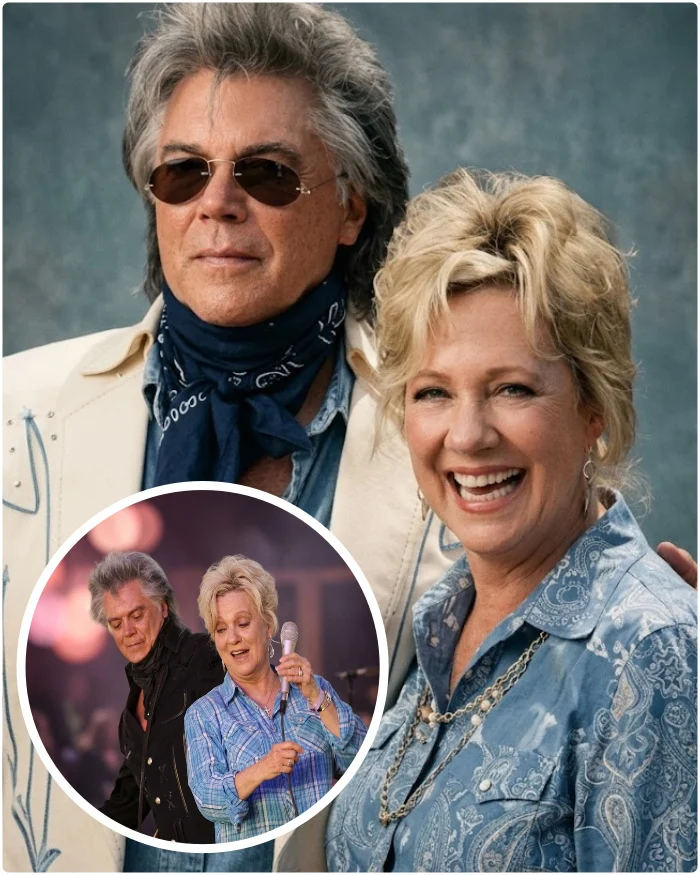
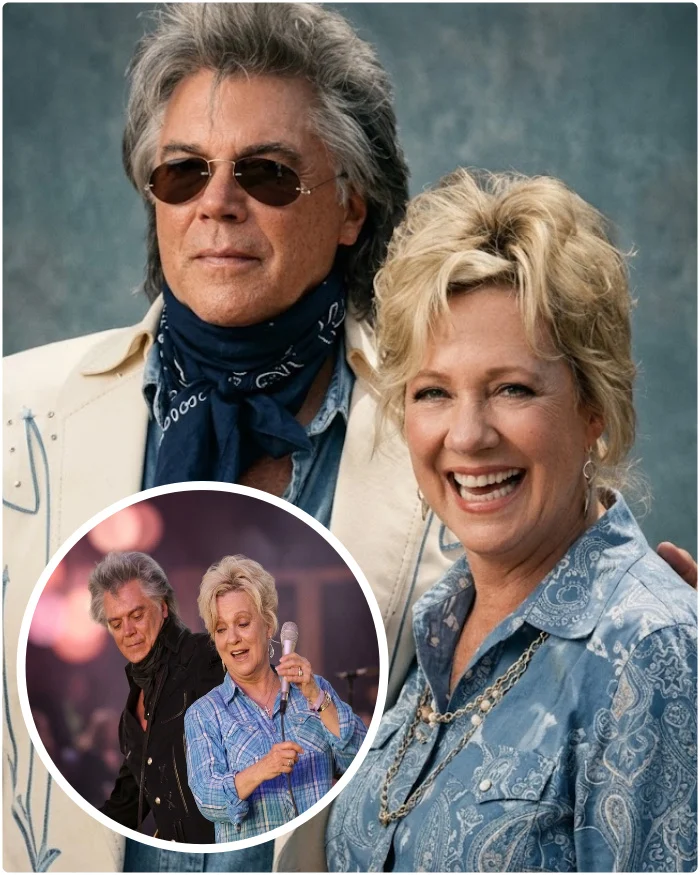
On stages from The Marty Stuart Show to concert halls across the country, the image says everything. Marty Stuart stands quietly at the side with his guitar while Connie Smith takes the center stage she once left behind. That deliberate gesture is the emotional heart of a comeback story built on patience, faith and traditional country music.
In the late 1970s, Connie Smith made a choice that baffled the Nashville establishment. After breaking out in the mid-1960s, she had spent more than a decade cementing her status as a defining vocal presence. Her tone was so effortless and powerful that it left famous peers in awe. Yet at the height of her abilities she stepped away from the grueling cycle of recording contracts and tour buses. She traded applause for the daily routines of motherhood and dedicated herself to raising five children. For years one of traditional country music’s most revered voices stayed largely out of the public eye.
By the mid-1990s, country music had shifted toward commercial crossover hits and highly produced arena tours. Marty Stuart had built a formidable career as a chart-topping solo artist and a fierce guardian of country music history. He saw that Smith’s absence left a permanent void in the genre. He approached her not only as a longtime admirer but as a determined peer. He convinced her that she still had something vital to sing.
Stuart became producer and co-writer for her return. The work demanded patience. He had to break through the natural doubt of a singer who had been away from the recording booth for a long time. He promised not to modernize her sound or bend her vocals to fit the polished pop-country radio trends of the decade. Instead he carefully built an environment where she could deliver her classic style exactly as she always had.
The real turning point came privately, long before the red recording light turned on. In early songwriting sessions Stuart and Smith set commercial expectations aside. They anchored their work in shared Christian faith and traditional instrumentation. Sitting across from each other with acoustic guitars, they wrote lyrics grounded in deep spiritual belief and framed them with classic steel guitar arrangements. That focus on faith and tradition created creative trust. It gave Smith the foundation she needed to rebuild her confidence as a recording artist.
Her 1998 self-titled comeback album arrived with Stuart as producer and co-writer. The partnership then grew into a creative and personal bond that changed the second half of her career. Together they produced more than forty original songs. Smith did not settle for a nostalgia circuit built on old hits. She continued to release vital new traditional country records including Long Line of Heartaches in 2011 and The Cry of the Heart in 2021.
Their live performances reveal the depth of that partnership. Whether they played concert halls on the road or filmed episodes of The Marty Stuart Show, the stage picture was always intentional. Stuart, a flamboyant frontman and virtuoso in his own right, stepped out of the spotlight. He stood quietly to the side with his guitar, kept his focus on his wife and made sure she commanded the center stage she had once given up.
He did not just produce a successful series of albums. He restored a national treasure to her rightful place in front of a microphone.
His steady presence gave a legendary artist room to find her footing again. The deeper layer of their ongoing collaboration lives in those private writing sessions where shared faith, shared history and a commitment to traditional country music turned a brave return into decades of new music.