
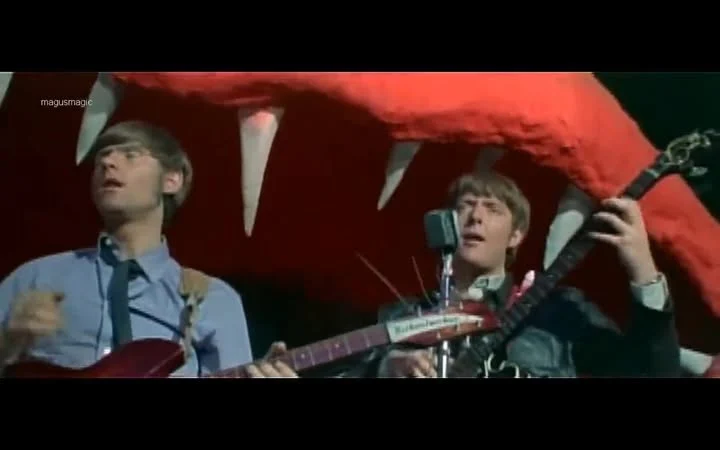
We gotta get out of this place. If it is the last thing we ever do. That refrain has echoed across generations, a raw cry of defiance that refuses to fade. In 1965, The Animals turned that simple, urgent line into an anthem that would define not only their career but also the dreams of millions. From the mud-soaked jungles of Vietnam to the anxious bedrooms of modern life, the song continues to pulse with the same primal need for freedom.
The story of this classic begins in New York City, not in the gritty clubs of London where The Animals built their reputation. Songwriters Barry Mann and Cynthia Weil crafted the tune for a polished pop act, but fate intervened when producer Mickie Most heard their demo. He immediately recognized that the raw, bluesy edge of The Animals could turn the song into something far more powerful. With Eric Burdon at the microphone, the band poured a desperate, streetwise soul into every note. The result was a hit that felt less like a product and more like a confession.
The song arrived during a decade of fracture and upheaval. The civil rights movement was demanding change, the Vietnam War was swallowing young lives, and a generation was questioning the very foundations of authority. Many young people felt trapped between the sacrifices of their parents and the uncertain promise of a new world. The Animals gave that frustration a voice. Their music reflected the weary resilience of the working class, the kind of people who clocked in every day yet dreamed of breaking free. When the lyrics paint a picture of a dirty old part of the city where the sun refuses to shine, they are not just describing a place—they are describing a state of mind.
Perhaps no group connected to the song more deeply than the soldiers fighting in Vietnam. They heard in it their own longing for home, their own struggle to escape a nightmare. Though the song makes no explicit mention of war, its message of hoping for a better life hit with brutal honesty. A young man crouching in a foxhole could find solace in the promise that somewhere, somehow, there was a way out. That emotional weight made the track an unofficial anthem for those who needed a glimmer of light.
We gotta get out of this place. If it is the last thing we ever do. Girl, there is a better life for me and you.
But what makes this song timeless is not just its historical context. It is the universal ache of feeling stuck. Almost everyone has known a moment when the walls seemed to close in—a dead-end job, a strained relationship, a town that feels too small for ambition. The song captures that exact tension between despair and determination. The verses are bleak, but the chorus is stubborn. It refuses to surrender. That duality gives the track an emotional complexity that has kept it alive for nearly sixty years.
At the heart of the recording is Eric Burdon’s voice. It is weary, worn, yet unbroken. He sounds like someone who has seen too much but still believes in the possibility of a sunrise. The music matches his intensity. The bassline, one of the most iconic in rock history, pulses like a heartbeat. It pushes the song forward even when the lyrics suggest exhaustion. The drums and guitar create a sense of motion, as if the whole arrangement is pulling toward escape. You can hear it in every groove.
The legacy of We Gotta Get Out of This Place stretches far beyond its original release. Artists like Bruce Springsteen and Bon Jovi have covered it, each adding their own texture while preserving the core fire. It appears in movies, television, and documentary soundtracks, often underscoring moments of transition and hope. And in recent years, as the world faces new kinds of pressures—economic inequality, political division, environmental anxiety—the song has found a fresh resonance. It still speaks to anyone who feels burdened by circumstance and longs for a different horizon.
In the end, this is more than a song. It is a reminder that the human spirit is wired for perseverance. No matter how dark the place, there is always a way out. The Animals gave that truth a melody, and it has never stopped singing. As we listen today, we may find our own meaning in the words, but the message remains unchanged. Sometimes, the first step toward a better life is simply declaring that you will not stay where you are. That is the power of this enduring anthem.
We gotta get out of this place. If it is the last thing we ever do. That refrain has echoed across generations, a raw cry of defiance that refuses to fade. In 1965, The Animals turned that simple, urgent line into an anthem that would define not only their career but also the dreams of millions. From the mud-soaked jungles of Vietnam to the anxious bedrooms of modern life, the song continues to pulse with the same primal need for freedom.
The story of this classic begins in New York City, not in the gritty clubs of London where The Animals built their reputation. Songwriters Barry Mann and Cynthia Weil crafted the tune for a polished pop act, but fate intervened when producer Mickie Most heard their demo. He immediately recognized that the raw, bluesy edge of The Animals could turn the song into something far more powerful. With Eric Burdon at the microphone, the band poured a desperate, streetwise soul into every note. The result was a hit that felt less like a product and more like a confession.
The song arrived during a decade of fracture and upheaval. The civil rights movement was demanding change, the Vietnam War was swallowing young lives, and a generation was questioning the very foundations of authority. Many young people felt trapped between the sacrifices of their parents and the uncertain promise of a new world. The Animals gave that frustration a voice. Their music reflected the weary resilience of the working class, the kind of people who clocked in every day yet dreamed of breaking free. When the lyrics paint a picture of a dirty old part of the city where the sun refuses to shine, they are not just describing a place—they are describing a state of mind.
Perhaps no group connected to the song more deeply than the soldiers fighting in Vietnam. They heard in it their own longing for home, their own struggle to escape a nightmare. Though the song makes no explicit mention of war, its message of hoping for a better life hit with brutal honesty. A young man crouching in a foxhole could find solace in the promise that somewhere, somehow, there was a way out. That emotional weight made the track an unofficial anthem for those who needed a glimmer of light.
We gotta get out of this place. If it is the last thing we ever do. Girl, there is a better life for me and you.
But what makes this song timeless is not just its historical context. It is the universal ache of feeling stuck. Almost everyone has known a moment when the walls seemed to close in—a dead-end job, a strained relationship, a town that feels too small for ambition. The song captures that exact tension between despair and determination. The verses are bleak, but the chorus is stubborn. It refuses to surrender. That duality gives the track an emotional complexity that has kept it alive for nearly sixty years.
At the heart of the recording is Eric Burdon’s voice. It is weary, worn, yet unbroken. He sounds like someone who has seen too much but still believes in the possibility of a sunrise. The music matches his intensity. The bassline, one of the most iconic in rock history, pulses like a heartbeat. It pushes the song forward even when the lyrics suggest exhaustion. The drums and guitar create a sense of motion, as if the whole arrangement is pulling toward escape. You can hear it in every groove.
The legacy of We Gotta Get Out of This Place stretches far beyond its original release. Artists like Bruce Springsteen and Bon Jovi have covered it, each adding their own texture while preserving the core fire. It appears in movies, television, and documentary soundtracks, often underscoring moments of transition and hope. And in recent years, as the world faces new kinds of pressures—economic inequality, political division, environmental anxiety—the song has found a fresh resonance. It still speaks to anyone who feels burdened by circumstance and longs for a different horizon.
In the end, this is more than a song. It is a reminder that the human spirit is wired for perseverance. No matter how dark the place, there is always a way out. The Animals gave that truth a melody, and it has never stopped singing. As we listen today, we may find our own meaning in the words, but the message remains unchanged. Sometimes, the first step toward a better life is simply declaring that you will not stay where you are. That is the power of this enduring anthem.