
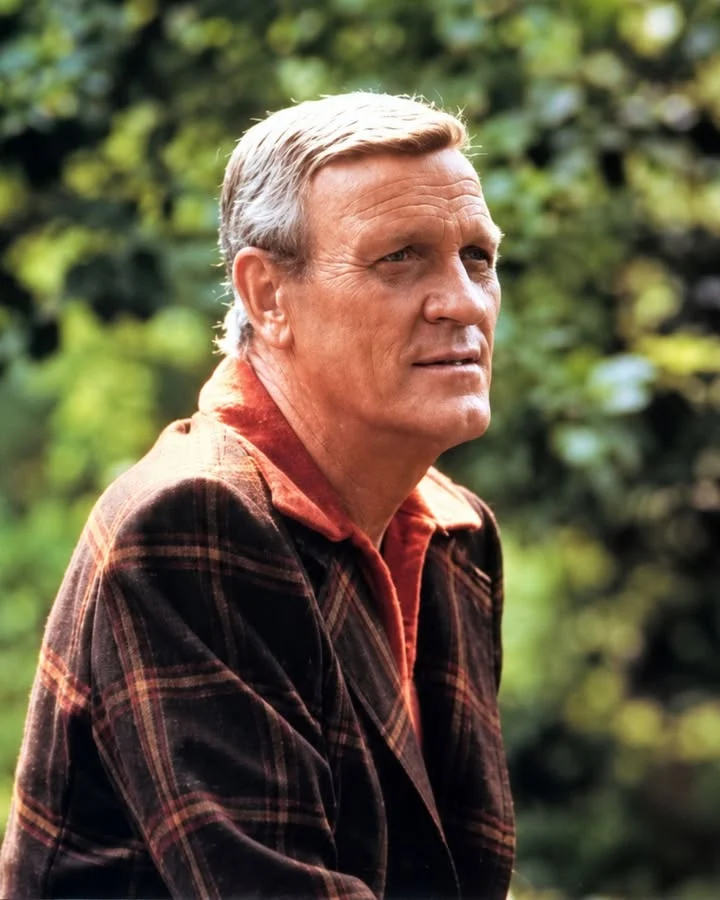
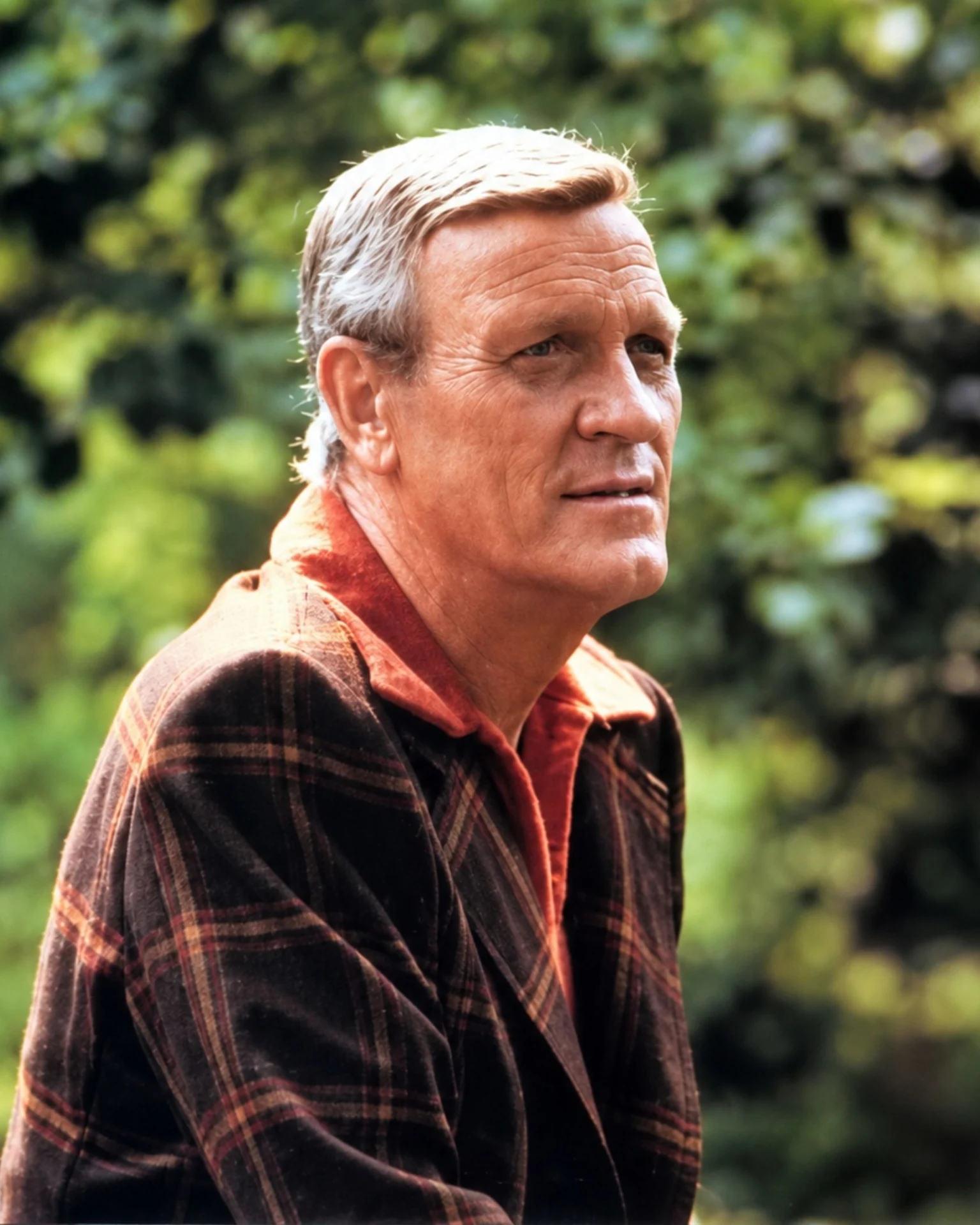
He eventually sold more than eighty million records, yet his greatest private achievement may have been quieter because his children grew up in a house nobody was waiting to auction.
They still worked the soil, they simply no longer owned what they worked.
The farm did not disappear from Eddy Arnold’s childhood all at once. His father died when Eddy was eleven.
The following December creditors sold the family land on the courthouse steps in Henderson, Tennessee, leaving his mother and her children to remain in the same countryside as tenant farmers.
Depression Years And A Borrowed Guitar
During the Depression years that followed, Eddy cut timber, helped with crops and eventually left school. A cousin had loaned him a Sears, Roebuck Silvertone guitar and his mother helped him learn to play.
At candy pulls, barbecues and community gatherings he sang for about a dollar a night, bringing home small amounts of money from the one kind of labor that did not require a field. At seventeen he began working around Jackson radio and beer joints while also driving for a funeral home.
He later joined Pee Wee King’s Golden West Cowboys, married Sally Gayhart in 1941 and started building a solo career. For a while Sally’s job at a five and dime store brought in more than his music.
Treating Success Differently From Other Road Performers
Then the records began to sell. Arnold became one of the dominant country singers of the late 1940s, but he treated his earnings differently from many road performers around him.
A song scouting arrangement with Hill and Range, record royalties and personal appearances supplied income beyond the nightly show. He bought Nashville area real estate, invested in businesses and built a home on 107 acres near Brentwood.
By 1965 Time reported that he held interests in an automobile agency, a publishing company, a record pressing plant, a ranch, a water utility, real estate and an apartment complex.
Arnold later explained the habit without dressing it up. He had lived through the Depression, performed hard physical labor and wanted to finish with some of the money he earned.
His smooth records made him sound almost untouched by urgency. Behind them was a man who had watched ownership vanish while his family was still standing on the land, and he spent a lifetime making sure his own family would never face those courthouse steps again.