
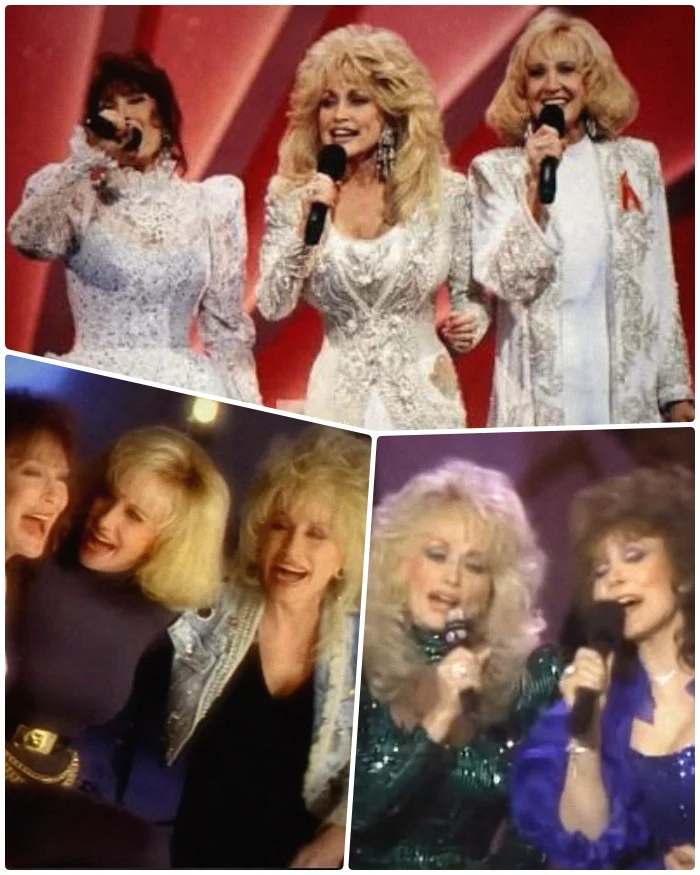
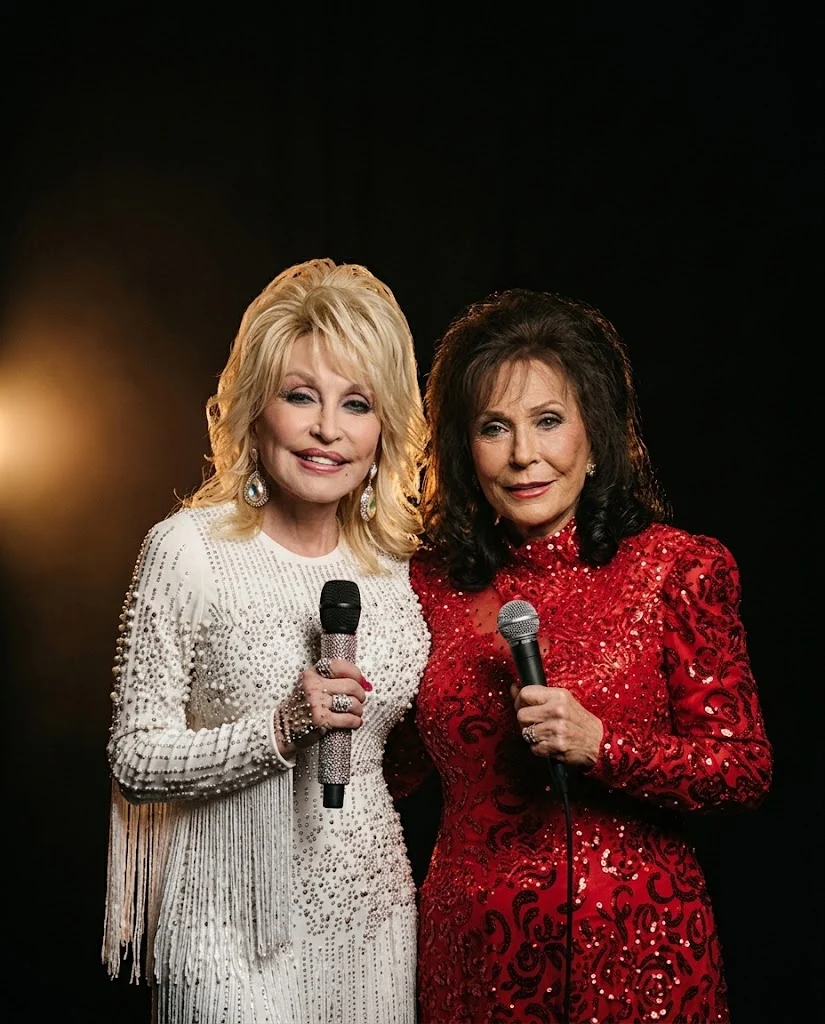
Through the studio monitors in 1993 came a voice country music had lost three decades earlier, pure and unaccompanied and hauntingly clear. Dolly Parton and Loretta Lynn and Tammy Wynette stood at their microphones and listened, preparing to sing inside the very same audio space as Patsy Cline, the woman who had fought some of the earliest and loneliest battles on Music Row long before any of them reached the top.
That extraordinary moment belonged to Honky Tonk Angels, the collaborative album the three women gathered in Nashville to record in 1993. By then they were the undisputed matriarchs of the industry, having survived decades of grueling tours and highly publicized personal turbulence and the crushing demands of international fame. They held the creative leverage and the extensive publishing catalogs and the global recognition, yet they refused to use that long awaited session only to celebrate their own survival. Instead, they made a collective decision to step back.
They chose to name the entire project after a historic 1952 release by Kitty Wells, honoring the first female artist to break the gender barrier and top the country charts at a time when executives firmly believed women could not sell records.
The trio would not settle for a standard tribute cover, because they wanted the actual women who laid the foundation of their genre to share the physical space of the record. They personally invited Wells, then in her seventies, into the recording booth to sing alongside them, publicly affirming her enduring presence. Yet the circle still felt incomplete without one more foundational voice, and they were determined to include Cline, who had lost her life in a plane crash three decades earlier.
Bringing Cline back into the room meant building a brand new arrangement of Lovesick Blues around her original vocal. Making that posthumous reunion real demanded a massive technical effort behind the scenes, as producers searched the archives to locate her original analog session tapes inside the Decca Records vault. By carefully retrieving the historic three track master tapes, engineers were able to extract and isolate her pristine and unaccompanied vocal stem from the original 1960 studio instrumentation.
Once that isolated track was ready, the engineering breakthrough allowed Parton and Lynn and Wynette to overdub their own voices on separate tracks, effectively placing themselves in the exact same audio space as the pioneer who had paved their way. The finished arrangement brought five defining voices together across entirely different eras of American music.
Those three living legends had navigated a ruthless Nashville business machine that spent decades actively trying to pit female artists against each other, treating them as novelties competing for a single radio slot. The industry expected them to behave like rivals, and instead they formed a private sisterhood.
By using their enormous industry leverage to bring Wells and Cline into the session, they completely rejected the competitive script they had been handed. They recognized the severe barriers those early pioneers had fought through alone, and they ensured the names of both women were printed alongside their own on the credits of a modern release.
The album ultimately became a permanent historical document of women refusing to leave their predecessors behind in the past.
When artists finally reach the absolute summit of country music, they do not have to fight for the spotlight, because they can simply choose to share it.