
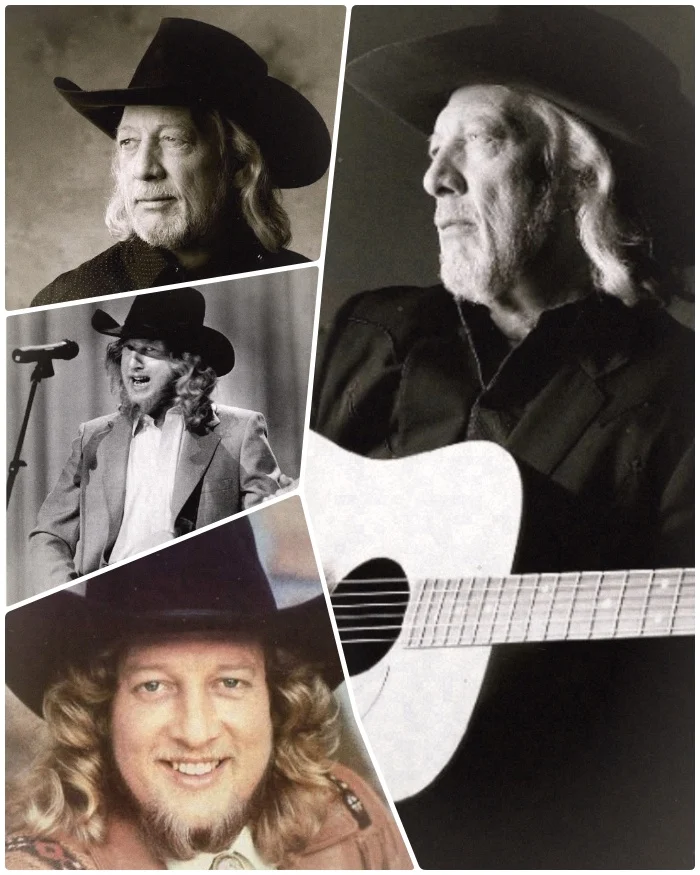
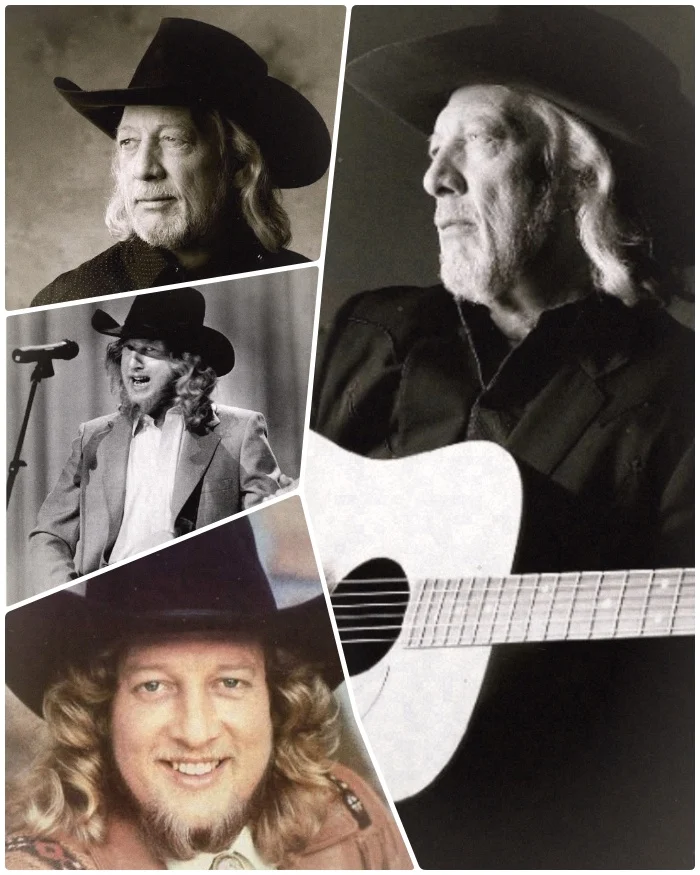
He stood under the bright lights of the Grand Ole Opry House as a member of the Country Music Hall of Fame in 2024 and still remembered the view from the other side of that building when he was a teenager with work boots on and a hammer in his hand.
Before John Anderson ever sang on that famous stage he spent hot Tennessee days hauling materials high above it while crews finished the new Opry House ahead of its opening in March 1974.
He eventually stood beneath the lights as one of country music’s defining voices and never forgot what the building looked like when he was just a kid on the roof
That respect for hard work started in Apopka, Florida, where Anderson was born in Orlando on December 13, 1954, and raised in a crowded home of eight.
His father worked as grounds supervisor at Florida Technological University, now the University of Central Florida, and came home each evening in a sweat soaked shirt with soil and plant sap ground into his calloused hands to support his wife and six children.
Money was tight yet his parents still found a way to give their son his first guitar. Music soon filled the house, led by his older sisters and especially Donna, who taught him harmonies and pulled him toward local stages. At Apopka Memorial High School he and Donna formed The Weed Seeds, a rock and country band that learned to hold a crowd at central Florida dances.
At eighteen in 1972 Anderson drove to Nashville alone with no connections and no safety net. By day he took whatever manual labor he could find around Davidson County, working construction and digging graves and joining that Opry roofing crew. By night he played smoky clubs and small honky tonks with traditional country phrasing while Donna soon moved to Tennessee to sing in his band.
The lean years turned when he met veteran songwriter Lionel Delmore, son of Bluegrass Hall of Fame member Alton Delmore, who became his closest writing partner and helped him land a $25 a week publishing draw with Al Gallico Music.
Independent singles for the small Ace of Hearts label between 1974 and 1976 caught the ear of Warner Bros. executive Norro Wilson. Anderson signed with the major label in 1977 and charted his first Delmore co write, I’ve Got a Feelin’ (Somebody’s Been Stealin’), before breaking open in the early 1980s with 1959 and Wild and Blue and Swingin’.
Swingin’ became the biggest selling single in Warner Bros. history in 1983 and his resurgence in the early 1990s brought Seminole Wind, a powerful tribute to the vanishing Florida wilderness of his youth, adding to a career that carried five number one country hits across American radio.
Fame never made him distant. Across four decades on the road sound technicians and truck drivers and stagehands who loaded gear before sunrise knew him as the headliner who looked them in the eye and shook their hands firmly and asked about their families.
Behind every curtain he saw the quiet dignity his father carried home to Apopka each night and that pride from an eight person Florida home stayed in his voice all the way from the roof he helped build to the stage he once only dreamed of standing on.