
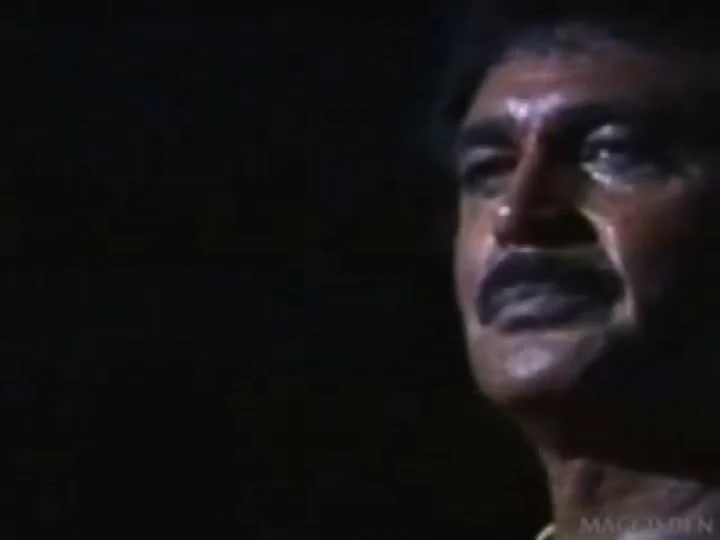
There are moments in music when a voice and a melody merge into something unforgettable. Engelbert Humperdinck achieved that with When I Wanted You, a track from his 1979 album This Moment in Time. It lingers in the heart like a half-remembered promise, capturing regret and longing with a tenderness that feels almost confessional. This is not just a ballad it is an experience, a quiet storm of piano, strings, and that unmistakable baritone that has defined romantic music for generations.
When I wanted you, all you ever did was treat me like a fool
That single line cuts to the bone. It speaks to anyone who has loved and lost, who has offered everything and received little in return. Humperdinck delivers it with a restraint that amplifies its raw power, never slipping into melodrama. Instead, he lets the weight of the words settle, supported by an arrangement that breathes with emotional intelligence.
The album This Moment in Time arrived in the late 1970s, a period when pop music was shifting toward disco and synthesizers. Yet Humperdinck refused to abandon the lush, orchestral balladry that made him a star. The record balances intimate storytelling with sweeping cinematic soundscapes, proving that classic crooning could still hold its ground. When I Wanted You serves as the emotional anchor of this collection, a track that distills the album’s exploration of love’s complexities into one aching, beautiful piece.
Musically, the song opens with a gentle piano figure that feels like a single tear on a cheek. The piano does more than accompany it becomes the narrator, setting a melancholic mood that never fully lifts. As the verse unfolds, an acoustic guitar enters with soft, delicate strums, creating a sense of closeness as if Humperdinck is singing in a dimly lit room, inches away. Then the strings join the chorus, swelling with a warmth that is both soothing and sorrowful. This interplay between intimacy and grandeur is the hallmark of Humperdinck’s finest work.
The production here is a masterclass in analog recording. Nothing feels compressed or artificial. The vocals sit naturally above the instruments, every breath and nuance preserved. The strings breathe, the guitar rings, and the piano decays with organic richness. It is a sound that invites repeated listens, revealing new details each time like the way the bass line subtly anchors the final chorus or how the string arrangement fades into a delicate coda.
Lyrically, When I Wanted You avoids cliché. The words are simple but devastating. They do not explain the pain they embody it. Humperdinck’s delivery is intimate, almost vulnerable, as if he is rediscovering the heartbreak in real time. This is where his artistry shines he makes you believe every syllable.
For those who want to explore similar emotional terrain, consider these tracks. Can’t Help Falling in Love by Elvis Presley shares the same Romantic vulnerability with a gentle, almost sacred arrangement. She’s Always a Woman by Billy Joel uses a piano-led melody to examine love’s contradictions with honesty. For the Good Times by Perry Como offers a smoother, sentimental counterpart. And I Love You So by Don McLean pairs acoustic intimacy with soul-stirring lyrics. And of course, Humperdinck’s own Love Me With All Your Heart provides another glimpse into his signature blend of passion and elegance.
What makes When I Wanted You endure is its refusal to age. It does not rely on trends or gimmicks. It trusts the power of a great voice, a simple melody, and an honest emotion. Decades after its release, it still reaches new listeners and comforts old ones. It stands as a reminder that the best love songs are not about perfection but about the ache of what could have been.
In a world of disposable music, this track remains a gentle, timeless companion. It is a piece that deserves to be heard with stillness and attention, perhaps on a quiet evening when memory and music merge into one.