
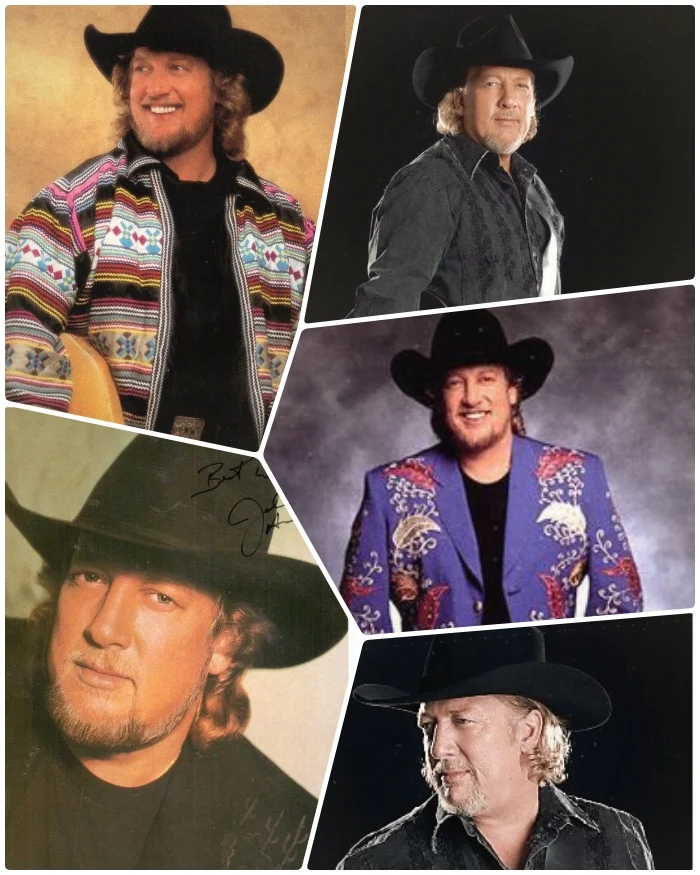
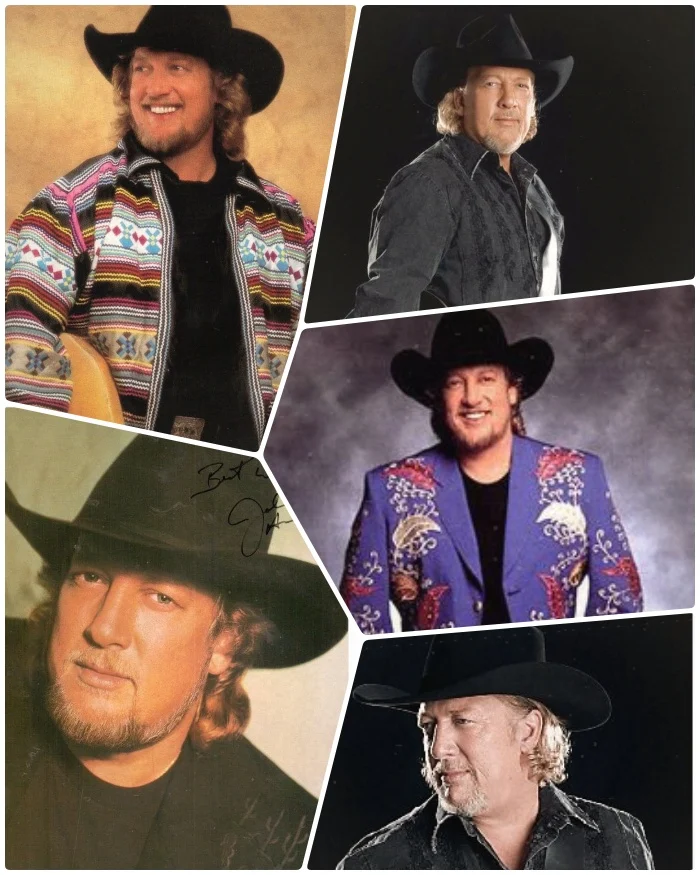
Under the bright lights of the Grand Ole Opry, John Anderson did something no other performer in that room could do. He tilted his head back, looked straight up at the ceiling, and remembered the summer he had helped put it there.
Long before his voice became one of the most distinctive sounds in traditional country music, Anderson was a teenager in work boots high above an unfinished auditorium in Nashville. The roof he was sealing with hot tar would one day shelter his own songs, though nobody around him believed it yet.
Anderson was born in Orlando and raised in Apopka, Florida, where he grew up listening to Lefty Frizzell, Merle Haggard, and George Jones while also playing in local rock bands. In 1972, at just 18 years old, he packed his guitar into an old vehicle and drove north to Tennessee without a record deal, a manager, or a single connection on Music Row. Like thousands of hopeful songwriters before him, his first challenge was simply paying the rent.
He found the answer on a huge construction site at Opryland USA. The Grand Ole Opry was preparing to leave its historic home at the Ryman Auditorium and move into a brand new 4,400 seat theater. Anderson took a temporary construction job with a subcontractor, spending his shifts hauling heavy materials and working with dark roofing tar to help seal the building against the Tennessee weather.
High on the scaffolding, he often paused to look down into the dusty room taking shape below him. He watched crews install the wooden pews and fit the six foot circle of oak cut from the Ryman stage directly into the new floor. When he pointed toward that spot and told his fellow workers he would sing on that exact stage one day, the older men laughed and blamed the summer heat for getting to his head.
One day I am going to sing on that very stage.
When the work whistle blew, his second job began. Anderson went home, scrubbed the black tar and construction dust from his blistered hands, and headed downtown to the crowded bars along Lower Broadway. Those gritty rooms, especially Tootsie’s Orchid Lounge, felt far removed from the polished pop country sound dominating Nashville studios in the mid 1970s.
In those clubs, singing for tips and tourists who wanted real honky tonk music, Anderson learned to bend his phrasing and project his voice over the noise. That nightly education forged the raw, hard country style he later carried to Warner Bros. Records in 1977 and helped open the door for the neotraditional movement of the 1980s alongside artists like George Strait and Ricky Skaggs.
Before that breakthrough arrived, however, Anderson had to watch history happen from the outside. When the new Grand Ole Opry House officially opened on March 16, 1974, a celebrated night featuring Roy Acuff, President Richard Nixon, and a hall full of country royalty, the young roofer who had helped shelter the room was still an unknown singer working the downtown clubs.
He kept writing and recording, slowly building momentum with early releases like She Just Started Liking Cheatin Songs and his first No. 1 hit, Wild and Blue, in 1982. Then, in early 1983, he released Swinging, a lively, rhythm driven single co-written with Lionel Delmore.
The song became the biggest seller in Warner Bros. history up to that point, won the CMA Single of the Year Award, and proved that fiddles, steel guitars, and an unmistakable country drawl still belonged at the top of American radio. More importantly for Anderson, success finally brought him through the front doors of the building he knew from the rafters down.
The first time he walked out onto the Grand Ole Opry stage as an invited performer and stood inside the oak circle, his eyes did not go straight to the crowd. Instead, his first instinct under the bright lights was to tilt his head back and look straight up at the ceiling he had helped build when nobody in town knew his name.
He had not just dreamed of standing in that circle. He had helped build the roof over it.
Over the next four decades, Anderson added timeless hits like Straight Tequila Night, Seminole Wind, and Money in the Bank, eventually earning induction into the Nashville Songwriters Hall of Fame and the Country Music Hall of Fame in 2024. In October 2014, forty years after the building opened, Marty Stuart officially inducted him as a member of the Grand Ole Opry.
Plenty of artists have dreamed of standing in that circle, and a select few have seen their names written into its history. John Anderson remains one of the rare legends who can look up from the microphone and know his own hands helped put the roof over the song.