
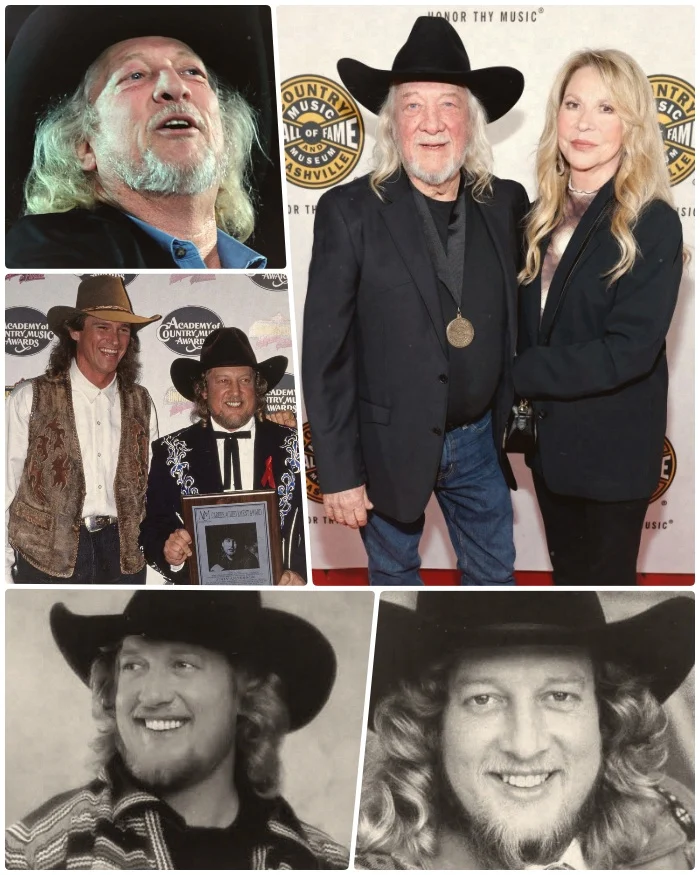
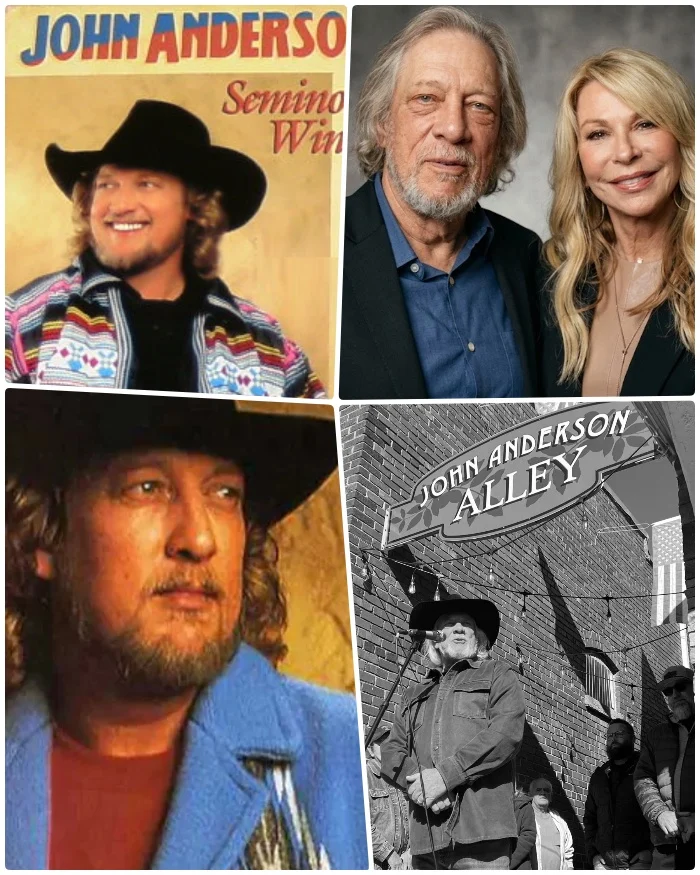
When Straight Tequila Night soared to No. 1 in early 1992, country radio finally sounded like it remembered John Anderson. For the woman waiting for him back in Tennessee, the moment felt less like a surprise and more like a long-delayed answer.
Jamie Anderson had believed in that voice through seven years when almost no one else in Nashville did. Her faith, quiet and stubborn, became the bridge between a dazzling wedding year and one of the greatest comebacks country music has ever seen.
Back in 1983, John married Jamie just as his playful single Swingin’ was breaking sales records for Warner Bros. Records. The song earned the Country Music Association’s Single of the Year award and turned the Florida native into one of the biggest names in the genre.
Within little more than a year of their wedding, the ground beneath traditional country singers began to shift. Radio programmers started favoring a slicker, pop-leaning production style, and the raw honky-tonk records that had built John’s name began stalling on the charts.
By the end of 1986, after nearly a decade of generating millions of dollars for Warner Bros., the label dropped him from its roster. John was still only in his early thirties, yet much of Music Row already spoke about his career in the past tense.
Between 1987 and 1990, he fought to regain his footing with two strong albums, Blue Skies Again for MCA Records and 1959 for Universal. Both times, corporate mergers and executive shakeups folded the labels or stalled the promotion before the singles could gain traction at radio.
With a growing family to support and a loyal road band counting on a weekly paycheck, John refused to shut down his touring operation. He kept the bus rolling to county fairs, dance halls, and smaller clubs across the country, working for reduced guarantees just to keep everyone employed.
Sixty miles east of Nashville, Jamie made sure the industry’s rejection never followed him through the front door. On their farm near Center Hill Lake in Smithville, Tennessee, she built a quiet, steady refuge where the music business did not get the final word on her husband’s worth.
While raising their daughters, Lexi and Eva, the Smithville property became the anchor that kept John grounded after exhausting stretches on the highway. Jamie managed the household, protected his peace of mind, and refused to let the cold streak define their marriage.
Even when money grew tighter and radio stayed silent, she never pressured him to cut glossy, trend-chasing songs just to secure an easy check. Instead, she encouraged him to take his boat out on Center Hill Lake, trust the traditional country voice he was born with, and write only what he believed in.
Music Row gave John Anderson a second chance in 1991. Jamie had already kept his voice alive at home.
During those quiet breaks between tours, John kept writing songs rooted in the landscapes he knew best, including a haunting reflection on the drained wetlands and native history of his home state of Florida. He composed Seminole Wind with a depth that proved his artistry had only grown sharper during his years away from the top of the charts.
That patience finally met the right ears in 1991 when veteran producer James Stroud, who had played drums on several of John’s early eighties sessions, stepped in to champion him at the newly formed BNA Entertainment. Stroud helped sign John to the label and went into the studio with him to cut a fresh batch of songs that honored his distinctive phrasing while giving his band a punchy, modern clarity.
Released early in 1992, the Seminole Wind album became one of the greatest comebacks in country music history. It sent Straight Tequila Night all the way to No. 1, turned the title track into a career-defining anthem, and sold more than two million copies.
Now a 2024 Country Music Hall of Fame inductee, John still looks back on those seven lean years as the test that showed him what truly mattered. Today, he and Jamie remain together on the Tennessee land that held them steady when the rest of the town looked away, and how that 1991 studio deal came together and the story behind writing the album’s title track remain a remarkable chapter of their journey.