
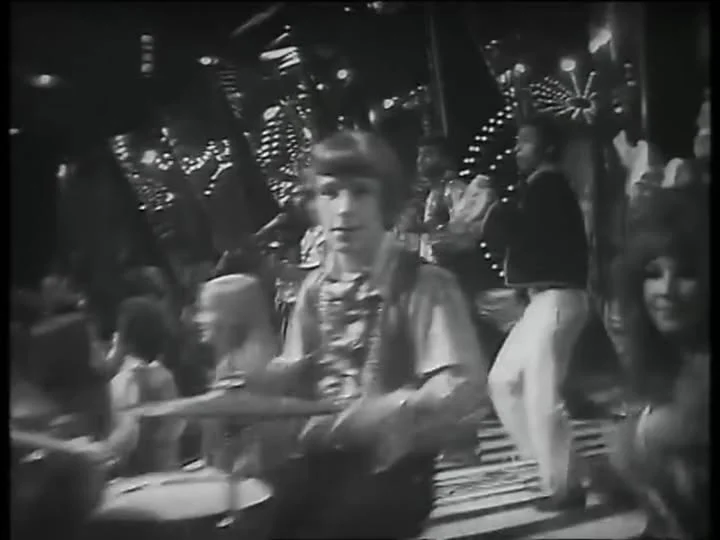
The raw, pleading cry of “Baby come back” echoes through the decades, a ghost of heartbreak that refuses to fade. But the story of this 1968 classic is far more than just a tale of lost love; it is a testament to the power of diversity and musical innovation in a turbulent era. The Equals, a pioneering interracial band from London, didn’t just craft a hit, they created a cultural landmark that still pulses with life today.
“I was wrong, and I just can’t live without you.”
It’s a line that cuts to the core of human vulnerability. The song’s narrative is deceptively simple: a man, drowning in regret, begs his former partner to return. Yet, within this straightforward plea lies a universal ache. Eddy Grant, the band’s guitar virtuoso and future solo star, penned these lyrics with a profound sense of emotional honesty, transforming a personal lament into an anthem for anyone who has ever longed for a second chance.
The magic of “Baby Come Back”, however, isn’t just in its words. It lives in its infectious, genre-defying sound. From the very first guitar riff, a playful and energetic hook that is impossible to ignore, the song grabs hold of the listener. The Equals masterfully wove together threads of rock, pop, and ska, creating a rhythmic groove that is both danceable and deeply moving. Derv Gordon’s lead vocals, raw with desperate energy, are perfectly balanced by the harmonized backing vocals, creating a rich, textured soundscape. This blend of upbeat tempos and melancholic lyrics gave the song a unique, timeless quality that resonated far beyond the 1960s.
But to fully appreciate the song’s legacy, one must first understand the band itself. In 1965, forming a multicultural group in Britain was a bold and groundbreaking act. The Equals, with their diverse lineup of Eddy Grant, Derv Gordon, Lincoln Gordon, John Hall, and Pat Lloyd, became a symbol of unity during a time of racial tension. Their success, culminating in a Number One hit on the UK Singles Chart, was a powerful statement, proving that music could transcend cultural barriers. It was a quiet revolution wrapped in a pop song.
The song’s cultural footprint extends far beyond its initial chart-topping success. It has been covered and sampled by artists across generations, most famously by the reggae band UB40 in the 1990s, which introduced the classic to a new wave of fans. Its melody has graced movie soundtracks, television shows, and commercials, a testament to its enduring appeal. Even Eddy Grant’s later solo triumphs, like “Electric Avenue,” cannot eclipse the raw, foundational power of “Baby Come Back.”
Why does this song, born in a different century, still feel so vibrant? The answer lies in its perfect storm of elements. The universal theme of regret and reconciliation connects with each new listener, while the song’s musical architecture—a fusion of rock and ska—remains as fresh and relevant today as it was on the day it was recorded. It is a masterclass in contrast: a joyful, danceable melody wrapped around a heartbreakingly sincere plea. The production, clean and balanced, allows every instrument and voice to shine without sounding dated.
“The song’s danceable groove makes it irresistible, a hallmark of The Equals’ unique style.”
Ultimately, “Baby Come Back” is more than a nostalgic relic. It is a living, breathing testament to the power of great songwriting, the bravery of a pioneering band, and the simple, timeless truth that some emotions never go out of style. It remains a beacon of love, loss, and the enduring hope that what’s broken can be made whole again.