
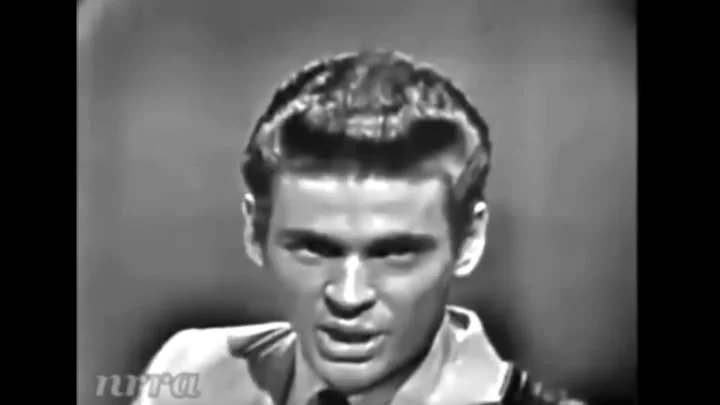
There are songs that never age, and then there are songs that seem to grow more poignant with every passing decade. The Everly Brothers’ “When Will I Be Loved” belongs to the latter category. Its opening guitar riff, that gentle yet insistent strum, wraps around you like a memory you cannot quite place. And then the voices begin — so close, so intertwined, you can barely separate one brother from the other. It is a moment of pure musical intimacy, and it has been captivating listeners since 1960.
The story of Don and Phil Everly is written into the very fabric of American rock and country music. They were not merely singers; they were architects of harmony. Their sound — a seamless fusion of rock ‘n’ roll energy, country storytelling, and pop melody — broke new ground and inspired generations. Among their many treasures, “When Will I Be Loved” stands as a luminous example of their artistry. Let us step back into the world of this timeless classic, exploring its origins, its sound, and why it still matters today.
“When will I be loved? When will I be loved?” The question is simple, but the ache behind it is universal.
To understand the song, you must first understand the album that gave it life. A Date with The Everly Brothers, released in 1960, was the duo’s third studio album. It arrived at a crossroads in popular music, where rockabilly was giving way to something more polished, yet still raw with emotion. This album cemented the Everly Brothers as titans of the era, blending acoustic-driven rock with the narrative weight of country music. While other tracks like “Cathy’s Clown” and “So Sad (To Watch Good Love Go Bad)” became instant hits, “When Will I Be Loved” carved its own quiet path into the hearts of listeners. It is a song about waiting — and the frustration that comes when love remains just out of reach.
The genius of the Everly Brothers lay in their ability to make complex emotions feel effortless. In “When Will I Be Loved,” they take the universal ache of unrequited love and wrap it in a melody that feels both new and ancient. The lyrics do not overreach. They are straightforward, almost conversational. Yet the power of the delivery — those harmonies, that rhythm — transforms them into something profound.
Now let us talk about the sound, because it is the true heartbeat of this track. The song opens with a distinctive acoustic guitar riff that sets a steady, almost driving pace. It is unmistakably rockabilly, yet it carries a folk simplicity. Don and Phil Everly played guitar themselves, and you can feel their personal touch in the strumming. The guitar provides the song’s backbone, its rhythm a counterpoint to the melancholy in the lyrics. There is a tension here — a cheerful strum paired with a lament — and it is this tension that gives the song its emotional depth.
Beneath the guitar, a piano weaves its way into the arrangement. It is subtle, never overpowering, but essential. In the chorus, the piano swells, adding a layer of longing that amplifies the vocal harmonies. The drums are understated, a steady heartbeat that keeps the song moving without distraction. And then there are the voices. Don’s deeper, smoother tone intertwines with Phil’s higher register, creating a harmonious blend that is almost otherworldly. Together, they turn the simple question “When Will I Be Loved” into a cry of the soul.
The Everly Brothers’ vocal technique was rooted in close harmony — singing in parallel intervals to create a rich, full sound. In this song, their voices seem to communicate a shared yearning. When they sing the title phrase, it is as if they are asking the question on behalf of everyone who has ever ached for love. The vulnerability in their delivery is authentic, and that authenticity is why the song continues to resonate across generations.
The lyrics themselves are a study in economy. No wasted words, no elaborate metaphors. Just a straightforward expression of longing: “I’ve been cheated, been mistreated, when will I be loved?” That line alone captures the pain of romantic disappointment. In the late 1950s and early 1960s, popular music was beginning to open up to more honest expressions of emotion. The Everly Brothers were at the forefront of this shift, giving voice to feelings that were often left unspoken. Their song taps into a moment of cultural transition, but its emotional truth is timeless.
Why does “When Will I Be Loved” endure? First, because of its musical fusion. The blend of rock, country, and pop elements creates a sound that defies easy categorization. It is at once familiar and surprising. Second, the harmonies are unmatched. There is a reason why artists from The Beatles to Simon & Garfunkel cited the Everly Brothers as an influence. Their vocal chemistry was one of a kind. Third, the song’s simplicity works in its favor. It does not try to impress; it simply aims to move you. And it succeeds.
“The vulnerability in their voices adds a layer of authenticity that makes the song transcend time.”
For those who wish to dive deeper into the Everly Brothers’ catalog, a few other tracks offer similar magic. “Cathy’s Clown” from the same album showcases their emotional storytelling with a punchier rhythm. “All I Have to Do Is Dream” is a gentle ballad that features some of the finest harmonies they ever recorded. “Love Hurts”, though famously performed by others, captures the same theme of love and loss. And “Bye Bye Love” is a rockabilly anthem that blends country and rock with their signature harmonies. Together, these songs form a portrait of an era and a duo that changed music forever.
Ultimately, “When Will I Be Loved” is more than a song. It is a question we have all asked, a feeling we have all known. The Everly Brothers gave it a voice — two voices, perfectly entwined — and in doing so, created something that will never fade. Whether you are discovering it for the first time or returning to it after years, it still holds the power to stop you, to make you listen, and to make you feel.