
“Peace came upon me and it leaves me weak. So sleep, silent angel, go to sleep.”
There are songs that simply play in the background, and then there are songs that seem to pause time itself. “The Air That I Breathe” by The Hollies belongs firmly in the second category. Decades after its release, this 1974 gem still possesses an uncanny ability to quiet a busy mind, wrapping listeners in a warm, sonic embrace that feels both deeply personal and universally profound. It is not merely a song; it is a feeling, a moment of stillness captured in melody.
The track serves as the radiant centerpiece of the band’s eponymous album, Hollies, a record that arrived at a pivotal juncture in their storied career. While the album showcased the group’s remarkable range—dabbling in rock energy, soft pop sensibilities, and introspective balladry—it was this particular composition, penned by the talented duo Albert Hammond and Mike Hazlewood, that crystallized the album’s emotional core. It stands as a testament to a band that knew exactly who they were, yet was unafraid to evolve, crafting a sound that was both familiar and refreshingly new.
A Tapestry of Sound
What elevates this track from a simple love song to a masterclass in musical arrangement is its meticulous and layered instrumentation. From the very first note, the listener is drawn into a carefully constructed world of sound that balances intimacy with cinematic grandeur.
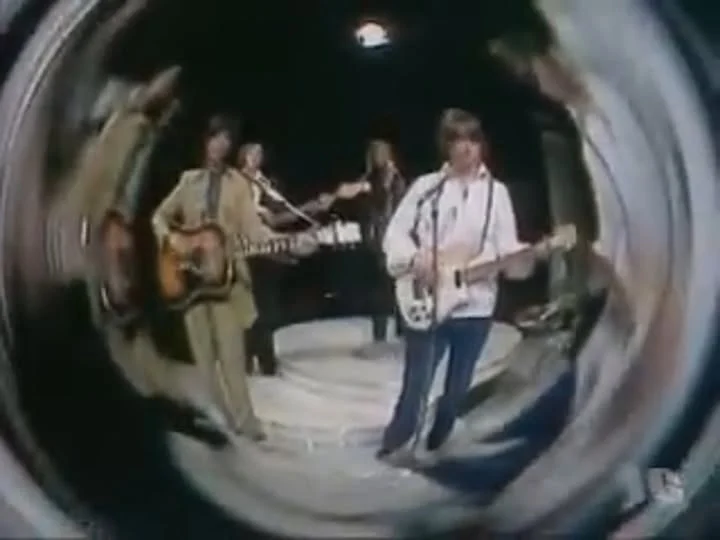
The journey begins with a deceptively simple acoustic guitar melody. Its gentle, almost hesitant strumming creates an atmosphere of tranquil introspection, setting the stage for the emotional narrative to unfold. This minimalist opening is a stroke of genius, creating a void that the rest of the arrangement gradually and beautifully fills. As the track builds, the electric guitar emerges, not to overpower, but to soar. The solo is a perfect reflection of the song’s emotional crescendo—a release of feeling that feels both earned and inevitable.
Beneath this guitar interplay lies a bed of delicate piano chords. The piano adds an ethereal quality, grounding the verses in a sense of gravity and elegance. But it is the seamless integration of the strings that truly elevates the piece. The swelling violins and cellos do not just accompany the vocals; they converse with them, adding a layer of cinematic drama that mirrors the song’s themes of contentment and all-encompassing love. They act as an emotional counterpoint, making the moments of quiet reflection feel even more powerful.
The rhythm section, while understated, is the song’s steady heartbeat. The bass guitar provides an unobtrusive but firm foundation, preventing the track from floating away on its own ethereal nature. The percussion is equally restrained, with soft drumbeats and subtle cymbal washes that maintain a gentle forward momentum. This deliberate choice to keep the rhythm subtle allows the true stars—the vocals and the harmony—to shine with absolute clarity.
And then, there is the voice. Allan Clarke delivers a performance that is nothing short of hauntingly beautiful. His vocal carries a raw vulnerability and sincerity that breathes life into every word. When his lead is joined by the band’s signature layered harmonies, the result is pure magic. It is a quintessential example of why The Hollies are considered one of the finest vocal groups of their era, a rich tapestry of voices that adds depth, warmth, and an almost spiritual quality to the track.
More Than Just a Love Song
Lyrically, “The Air That I Breathe” transcends the typical boundaries of a romantic ballad. It begins not with a declaration of need, but with a statement of absolute fulfillment: “If I could make a wish, I think I’d pass / Can’t think of anything I need.” This isn’t the language of longing, but of deep, peaceful satisfaction. The chorus, “All I need is the air that I breathe and to love you,” is a profound meditation on the essentials of existence, elevating the love it describes to something as fundamental and life-sustaining as oxygen itself.
This duality—the coexistence of utter serenity and an intense, quiet passion—is what gives the song its enduring power. It is a reflection on finding a place of perfect peace in another person, a sentiment that feels both deeply personal and universally relatable.
An Enduring Legacy
The influence of this masterpiece extends far beyond its initial release. Its universal themes and lush arrangement have made it a touchstone for artists across generations. The song has been covered by a diverse range of performers, from Julio Iglesias to Simply Red, each interpretation paying homage to its timeless quality. Furthermore, its presence in modern music samples proves that its relevance has not waned; it continues to inspire and inform contemporary pop culture.
For those who find themselves moved by this classic, there are other tracks that inhabit a similar emotional and sonic landscape. To complement your playlist, consider these enduring pieces:
“Alone Again (Naturally)” by Gilbert O’Sullivan
This track shares that same introspective and heartfelt quality, blending melancholy with a sense of uplifting resilience.
“Wild World” by Cat Stevens
With its reflective lyrics and soothing acoustic guitar, it serves as a perfect companion piece for quiet contemplation.
“Nights in White Satin” by The Moody Blues
An epic ballad that features lush orchestration and poignant vocals, mirroring the grand emotional scale of The Hollies’ hit.
“Bridge Over Troubled Water” by Simon & Garfunkel
Known for its sweeping arrangement and profound emotional resonance, this track is a staple for devotees of powerful, heartfelt ballads.
“Your Song” by Elton John
A tender, piano-driven love song that offers the same brand of heartfelt simplicity that defines this classic.
A Timeless Embrace
“The Air That I Breathe” is more than just a highlight in The Hollies’ discography; it is a shining example of what popular music can achieve. It is a seamless blend of masterful production, poignant poetry, and emotive vocal performance. From its stunning blend of acoustic and electric guitars to its cinematic piano and string arrangements, the song invites us into a world of profound serenity and emotional depth.
Whether you are a lifelong devotee or hearing it for the first time, this piece of music captures the very essence of love and fulfillment with unparalleled beauty. It is a track that doesn’t just ask to be heard; it asks to be felt, to be breathed in, and to linger in the heart long after the final note has faded. Pair it with other classics, let it wash over you, and experience a moment of pure, musical peace.