
It is a scene that has played out in countless minds over half a century. A man steps off a bus, his heart pounding with a hope he barely dares to claim. He has been away for three long years, and now, in the final seconds before judgment, he asks the driver to look for a single yellow ribbon tied around an old oak tree. The bus driver looks, then shouts out that there are a hundred ribbons covering the entire tree. The passengers erupt in cheers. That moment of release, of fear dissolving into joy, is the emotional core of one of the most iconic pop songs ever recorded.
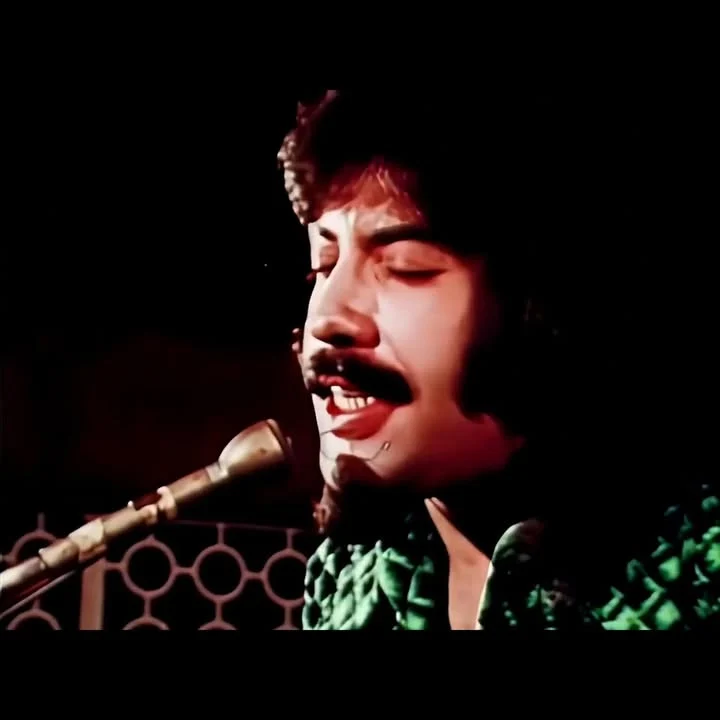
Released in 1973 by the group Dawn featuring Tony Orlando (soon to be known officially as Tony Orlando & Dawn), “Tie a Yellow Ribbon Round the Ole Oak Tree” transcends its sunny melody to become a cultural touchstone. The song is often dismissed as purely sentimental, but its power lies in the raw, universal anxiety of homecoming and the overwhelming relief of acceptance. For decades it has been a fixture on road trips, family gatherings, and nostalgia playlists, leaving an indelible mark on the American lexicon as a symbol of hope for returning loved ones.
The song is less about the three minutes of music and more about the three long years of waiting, all distilled into one climactic, unforgettable chorus.
At the heart of this phenomenon is a story that first appeared in the New York Post before being turned into a hit by songwriters Irwin Levine and L. Russell Brown. The narrative follows a man newly released from prison, riding a bus home to the love of his life. He has asked her to tie a yellow ribbon around the town’s oak tree if she still wants him back. The tension builds with every verse as he confesses his shame to the bus driver, too afraid to look for himself. This gut-level drama is what gives the song its narrative teeth and makes the final chorus a communal explosion of joy.
Musically, the track is a masterclass in early 70s sunshine pop. The arrangement begins with a simple acoustic guitar, strummed open chords that create an intimate, confessional space for Orlando’s slightly strained lead vocal. His delivery is key—he leans into the melodrama, conveying the nervous energy of a man on the verge of either redemption or rejection. As the verses progress, the rhythm section kicks in with a deliberate, walking bassline and a tight, almost military beat, mirroring the long journey home.
The climax is carefully engineered. Strings and brass enter at precisely the right moment, shifting the dynamic from personal confession to public spectacle. The strings soar on the chorus like an emotional accelerant, lending a grand, Broadway-esque scale to the simple folk tale. The backing vocals of Telma Hopkins and Joyce Vincent Wilson—the ladies of Dawn—act as a supportive Greek chorus, their bright harmonies elevating the melody into an anthem. The piano, added later with sparkling syncopated accents, gives the final jubilant section a ragtime feel that pushes the song toward its ultimate catharsis.
Released on Bell Records, the single shot to number one on charts in both the United States and the United Kingdom. It became the centerpiece of the 1973 album Tuneweaving (released as Tie a Yellow Ribbon in some regions). The timing was fortuitous—as the Vietnam War wound down, the image of the yellow ribbon transcended its convict backstory to become a universal symbol of support for military personnel, hostages, and anyone separated from home by circumstance.
For listeners today, the song remains a powerful artifact of emotional simplicity. It still plays on long car journeys, at family reunions, and through any music streaming subscription curated for nostalgia. Its melodrama is the good kind, the kind that makes you pull over and call someone you miss. The genius of Tony Orlando & Dawn was their ability to take everyday human drama—the fear of judgment, the ache of separation, the ecstasy of reunion—and package it into three minutes of soaring, instantly memorable pop.
For those looking to explore similar territory, a few recommended listens capture the same blend of storytelling and melodic craft:
“Candida” – Dawn (1970) shares the same foundational vocal harmonies and early-era pop sensibility.
“Brand New Key” – Melanie (1971) is another narrative-driven song with an infectious, simple acoustic groove and buoyant mood.
“Gypsies, Tramps & Thieves” – Cher (1971) features a flair for storytelling and a production style that blends folk-pop with orchestral drama.
“Billy Don’t Be a Hero” – Bo Donaldson and The Heywoods (1974) employs a mix of tragic narrative and upbeat, highly arranged orchestration.
“Sealed with a Kiss” – Bobby Vinton (1971 Version) captures the aching, simple yearning and melodrama of waiting for a loved one’s return, though with a slower, more sentimental pace.
Close your eyes and imagine that dusty bus rolling into town. Feel the fear in your stomach, then hear the roar of the passengers. “Tie a Yellow Ribbon” is more than a hit—it is a tiny, powerful machine for manufactured catharsis, a reminder that hope can be both fragile and unstoppable.