

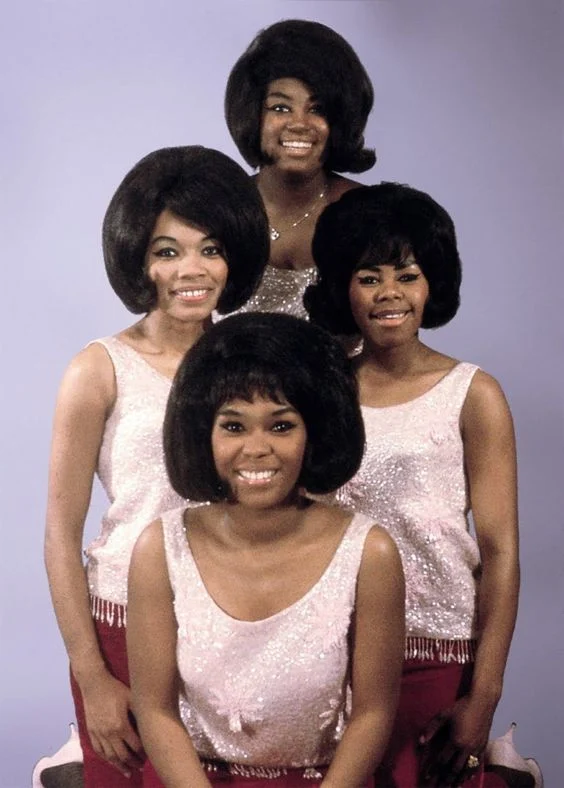
The ache in the question is instantly familiar. It is the sound of a heart fully invested in the present moment desperately seeking a guarantee on an uncertain future. In 1960 The Shirelles transformed this universal anxiety into a sonic masterpiece. Will You Still Love Me Tomorrow did not just flip a coin between pop and soul. It flipped the script on what a love song could confess.
Written by the iconic Brill Building duo Gerry Goffin and Carole King the track was a confessional long before that term became a music genre cliché. The voice of Shirley Owens does not command attention. It pleads for it. Her delivery finds a home in the minor key melancholia that defines the song’s architecture. This is the sound of a woman walking home from a perfect date. She is glowing. She is terrified.
The genius of Goffin and King lies in their lyrical restraint. They ask the tough question without painting a dramatic scenario. The intimacy of the lyrics creates a space that feels deeply personal. It invites the listener to overlay their own story onto the verses. This is why a song recorded in 1960 can feel completely relevant to someone falling in love in 2024. The technology changes. The trembling hope does not.
Tonight you’re mine completely. You give your love so sweetly.
The bridge holds the emotional climax. There is a blissful obliviousness in the lyric but the song knows the listener is counting the hours until dawn. The harmonies of The Shirelles on this section are nothing short of breathtaking. They sound like a Greek chorus whispering the truth the lead singer is trying to ignore. This layering of emotion was groundbreaking for the girl group genre. It proved that pop music had room for existential dread right next to teenage yearning.
Beyond its musical DNA the track holds a hallowed place in the history of American music. It opened the door for the introspective confessionals of the late 1960s. It gave permission for female artists to be uncertain and complex. The legacy of The Shirelles is often cited in the DNA of Motown. Yet Will You Still Love Me Tomorrow stands apart. It is a ballad that chooses doubt over declaration. It chooses the quiet question over the loud proclamation.
This might be the song’s greatest power. In a world that demands certainty the ability to sit with a question feels like an act of rebellion. The Shirelles created a safe space for that feeling. Whether you are sixteen or sixty you know that particular ache. The ache of holding onto something beautiful while knowing it could slip away with the sunrise. As long as people love and fear and hope the message of this song will find a new audience. It is a timeless meditation on the vulnerability that connects us all.