
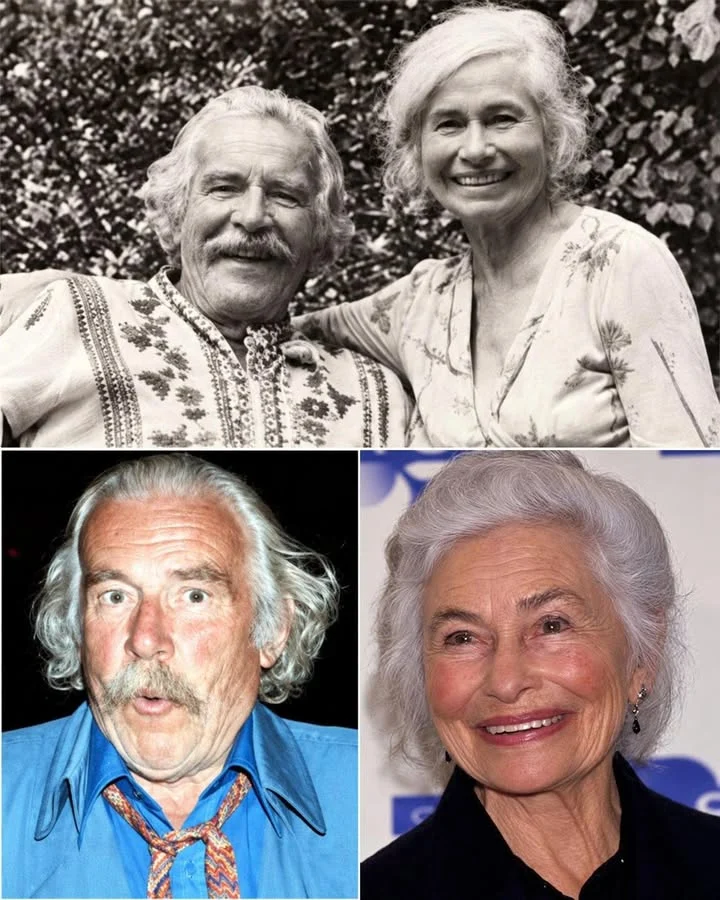
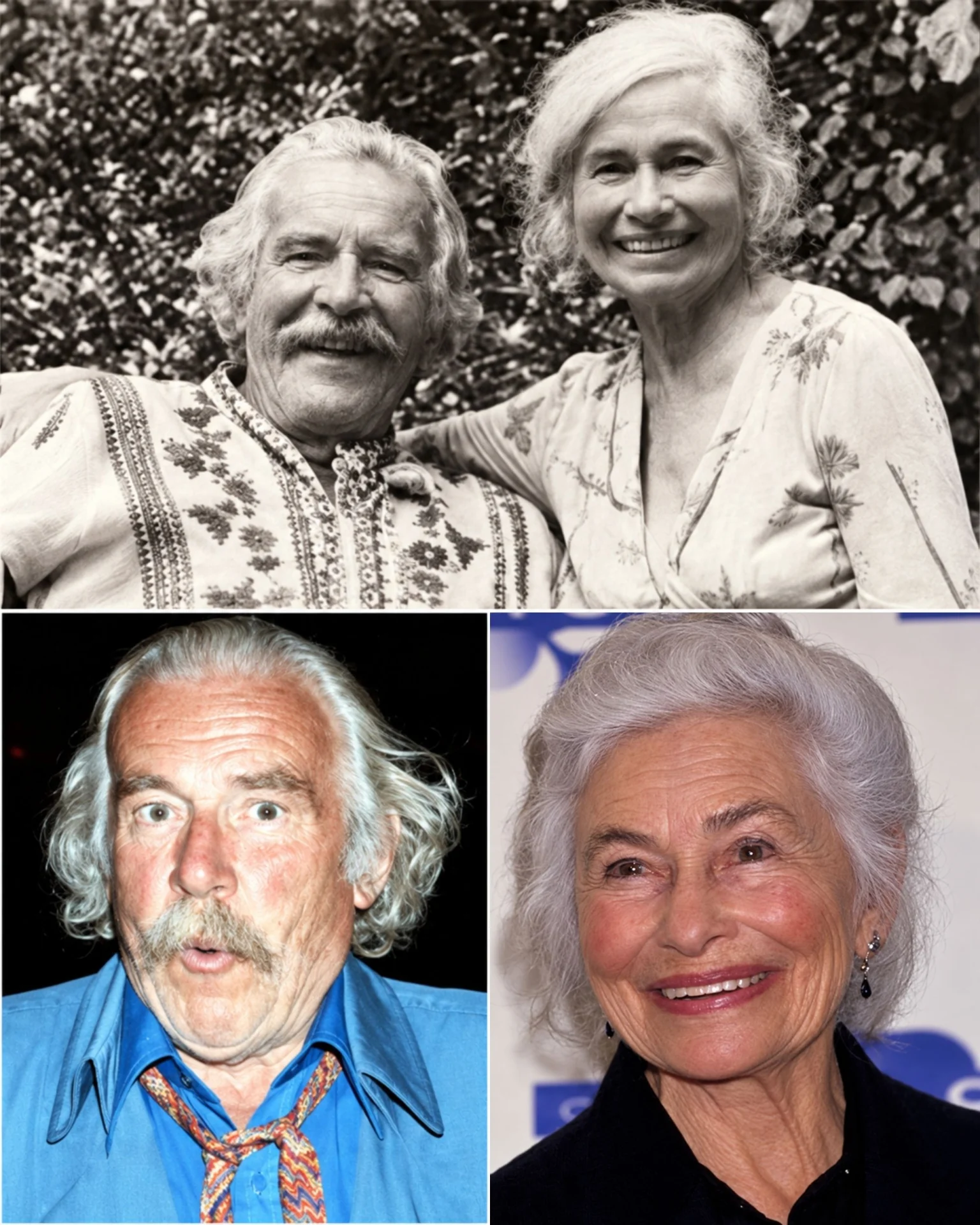
Will Geer’s hands were in the soil because Hollywood had closed its doors. In the early 1950s, after refusing to cooperate with the House Un-American Activities Committee, the actor who had starred alongside James Stewart in Winchester ’73 found himself blacklisted and unemployable. He sold his Santa Monica home, moved his family onto cheap land in Topanga Canyon, and began planting food. Survival became the immediate work.
His daughter Ellen later remembered him gardening furiously because there was no other way to keep the family moving.
But Geer, who had studied botany before the stage took over, knew that the ground could sustain more than vegetables. Among the trees, he built a stage. He called it Theatricum Botanicum—a theater of plants—and invited other blacklisted artists to join him.
In the Canyon, They Found a Stage and a Community
Woody Guthrie came. So did Pete Seeger, Burgess Meredith, and Burl Ives. The property became what Ellen Geer later called an accidental artists’ colony. Folk singers and actors who had been denied conventional work gathered beneath the oak trees to rehearse and perform. The blacklist was meant to isolate, but on Geer’s land, isolation slowly produced a community.
Ellen recalled Guthrie bouncing the children on his knee while actors rehearsed nearby.
Geer’s political and artistic lives had never been neatly separable. In earlier years, he had traveled through work camps and performed for labor audiences. At Topanga, the conditions changed, but the habit remained: gather people, make a stage, and keep the trees open.
From Blacklist to The Waltons A Role That Restored Everything
As the blacklist weakened, Geer gradually returned to film and television. In 1972, at seventy years old, he began playing Grandpa Zeb Walton on The Waltons. The role made him familiar to millions of viewers who knew little about the years when he had been unable to work. He won an Emmy in 1975.
The award arrived more than two decades after the studios had decided he should not work.
The success of the series did more than restore Geer’s visibility. It brought income back into the family and allowed him to strengthen the theater born during his exclusion. In 1973, the family formally developed the Theatricum as a nonprofit organization, reopening the grounds for public workshops and free performances.
Legacy Under the Trees
Geer died in 1978. The Waltons honored his absence by not replacing Grandpa Zeb with another actor. Back in Topanga, Geer’s wife Herta Ware, their children, and a small company kept the theater alive. Ellen Geer eventually became its artistic director.
Today, audiences still sit outside beneath the trees. Plays begin as the light changes over the canyon. Children study theater on land where Geer’s own children once watched blacklisted performers arrive.
The garden remembers where he went when those homes and the studios supplying their screens had no room for him.
Grandpa Walton became the role that restored Will Geer to American homes. But the garden in Topanga holds the deeper story: a man who, when the stage was taken from him, planted one of his own.