
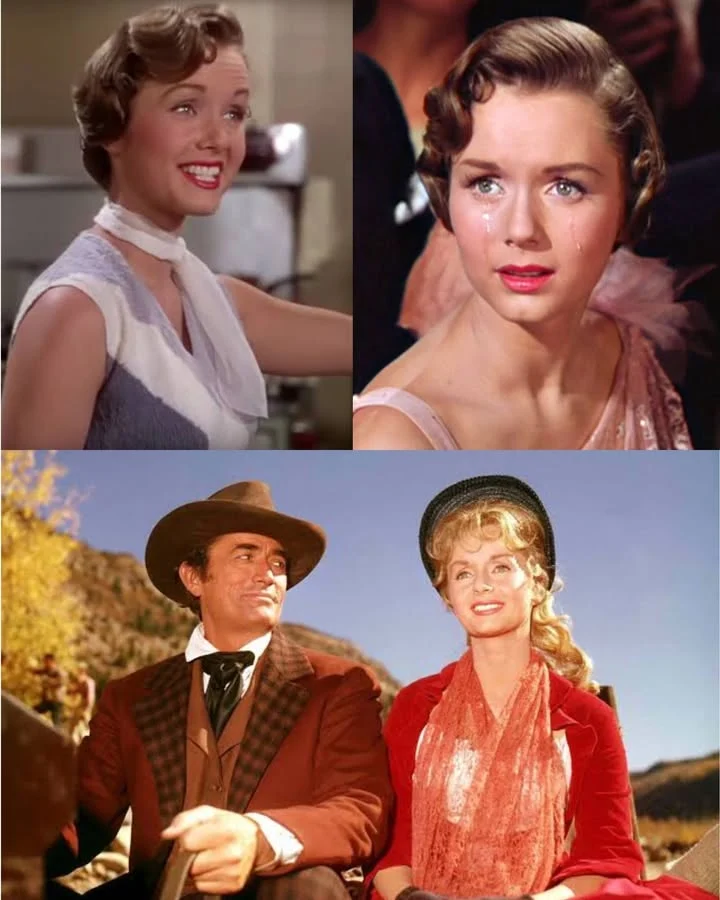
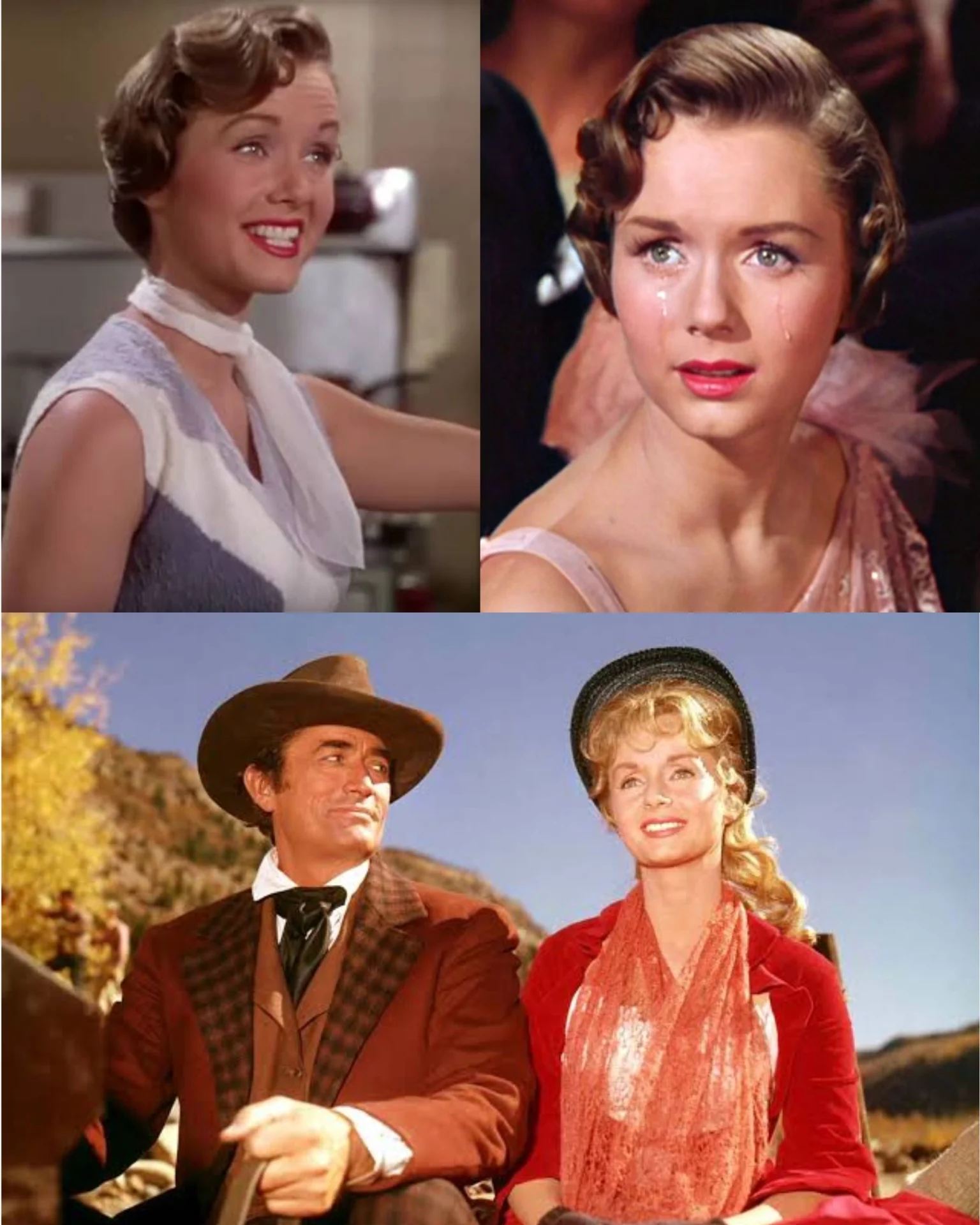
She watched Hollywood sell its memory, then spent the rest of her life trying to buy it back. Debbie Reynolds sat in the MGM auction house in 1970 for five weeks while the studio dismantled its own history. Lot by lot, the physical evidence of decades of filmmaking passed under the auctioneer’s gavel. Reynolds did not look away. She lifted her paddle and began to rescue what she could.
The old studio system had changed. The factories of make believe no longer needed their warehouses. Costumes and props represented finished work, not future profit. Storage cost money. So the contents of entire departments went to auction.
Reynolds bought with her own money and no promise of a permanent home. She went to other studios and asked for what they planned to throw away. She saw something they did not see. A dress carried the shape of a performance. A hat held the memory of a scene. A pair of shoes showed how a character walked.
Her archive grew into thousands of items. Judy Garland’s garments. Audrey Hepburn’s costumes. Charlie Chaplin’s props. Elizabeth Taylor’s dresses. There was also a version of the Rosebud sled from Citizen Kane. Most famous of all was the ivory dress Marilyn Monroe wore above a subway grate in The Seven Year Itch.
She wanted a museum. Hollywood never gave her one. The studios had cleared their storage, but they did not want to build a monument to the work they had discarded. Reynolds carried the dream for decades.
In 1995, she opened the Debbie Reynolds Hollywood Hotel and Casino in Las Vegas. Inside, a movie museum displayed part of the collection. Only one tenth could fit. The business failed. The costumes went back to storage.
Another plan emerged near Dollywood in Tennessee. That project collapsed as well, crushed by financial trouble and a failed development. Reynolds kept searching for a permanent home.
By 2011, the cost of keeping the archive together had become too heavy. A court ruling left Reynolds facing obligations she could not meet. The first major auction broke the collection apart. Monroe’s subway dress brought 4.6 million dollars before fees. The buyer’s premium pushed the total to 5.52 million. Hepburn’s Ascot gown from My Fair Lady sold for more than 4 million dollars including fees. The prices proved that Reynolds had been right about the value of these objects, but each winning bid sent a piece into private hands.
The end of a dream is not a moment. It is a series of hammer falls.
Reynolds called the sale the end of a dream. The phrase was more accurate than she may have known. Her dream was not to sell dresses for millions. It was to keep them together, close enough for visitors to see how a film came to life.
The studios had sold their past because they believed the pictures were finished. Reynolds understood that a film leaves more than images on a screen. Someone cut the cloth, fitted the body, stitched the hem and helped create the person an audience remembers. She saved that evidence for forty years. In the end, Hollywood was willing to pay dearly for it, one separated piece at a time.