
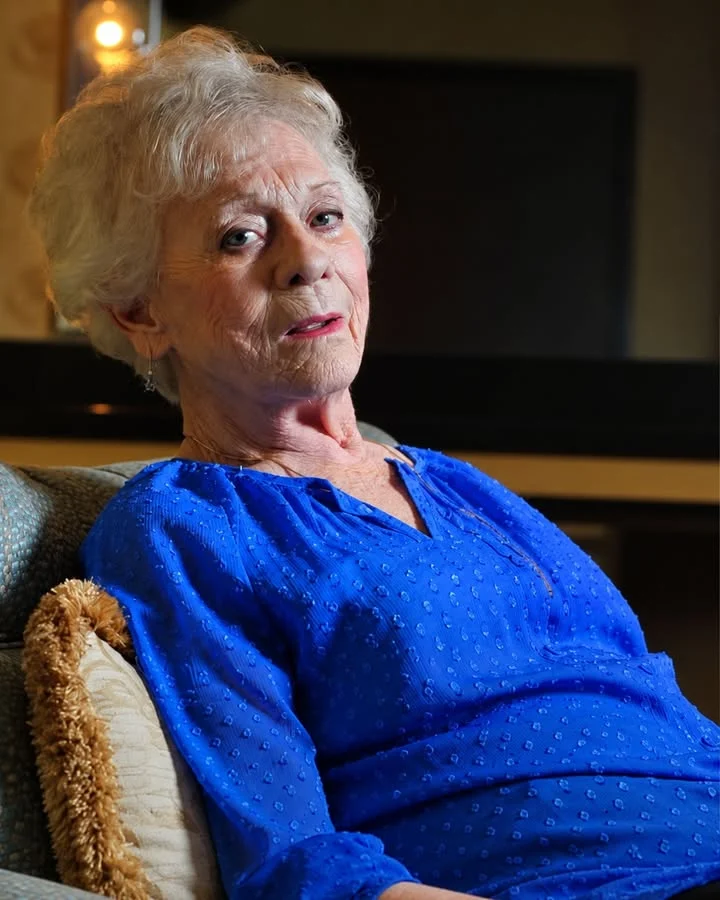

In 1956, a young woman with an Oklahoma twang stepped into a recording studio and did something that would quietly reshape country music. Jean Shepard was only twenty-two when she released Songs of a Love Affair, but the album did more than collect songs. It turned a record player into a confessional booth.
One song introduced a passing affair. Another brought disgrace. Another asked for a consoling lie. By the second side, the moral borders had become less secure, and marriage no longer guaranteed innocence.
Country music in the 1950s lived on singles. A three-minute story of betrayal, forgiveness, or revenge would hit the jukebox and then vanish. Shepard’s album refused to vanish. It demanded the listener stay in the room with doubt, anger, and second-guessing long after the needle lifted.
The album’s twelve tracks—including titles like A Passing Love Affair, Girl in Disgrace, Over and Over, and It’s Hard to Tell the Married from the Free—moved through the perspectives of wives, mistresses, and women caught somewhere in between. No single character dominated. Instead, the songs spoke to each other, each one deepening what the previous had begun.
Shepard’s breakthrough came in 1953 with A Dear John Letter, the million-selling duet with Ferlin Husky. But by 1955, she’d proven she could stand alone with hits like A Satisfied Mind and Beautiful Lies. In November of that year, she joined the Grand Ole Opry on her twenty-second birthday, joining a roster that included only four women.
Producer Ken Nelson carefully selected the material from sessions that spanned 1953 to 1955. The innovation wasn’t in flashy production—steel guitar and fiddle kept the sound hard and unadorned. The innovation was in accumulation.
A single could present one argument between husband and wife, then surrender the subject when the next release arrived. Shepard’s album allowed doubt to remain in the room.
Nelson worried about how infidelity would affect Shepard’s wholesome image. The solution was to let the album move among women affected by betrayal rather than casting Shepard as the cheater. That restriction became part of the album’s design, giving space to women who accused, forgave, and sometimes recognized their own compromises.
The physical LP divided the experience into two sides. After six songs, the listener had to flip the record. The break didn’t resolve the affair—it changed the angle. The songs grew more uncertain: Tell Me What I Want to Hear, The Mysteries of Life, Did I Turn Down a Better Deal?. Respectable labels weakened. The wife began wondering what she had missed.
Songs of a Love Affair arrived years before the celebrated concept albums of Marty Robbins, Willie Nelson, and Johnny Cash. It stands as one of the earliest country LPs built around a unified human problem, and a crucial early instance of a female voice receiving that much thematic space. Shepard was not simply answering a man’s song—her women generated the world themselves.
Shepard would go on to become the longest-serving female member in Opry history, her career spanning six decades. But her first album remains a quiet radical act. It did not announce itself with a manifesto. It simply let the songs accumulate, allowing country music to do what its singles rarely had time for: reconsider its own first judgment.
When the needle reaches the final groove, the marriage, the wife, and the other woman remain together in the silence, just for a few seconds, before the record lifts.