
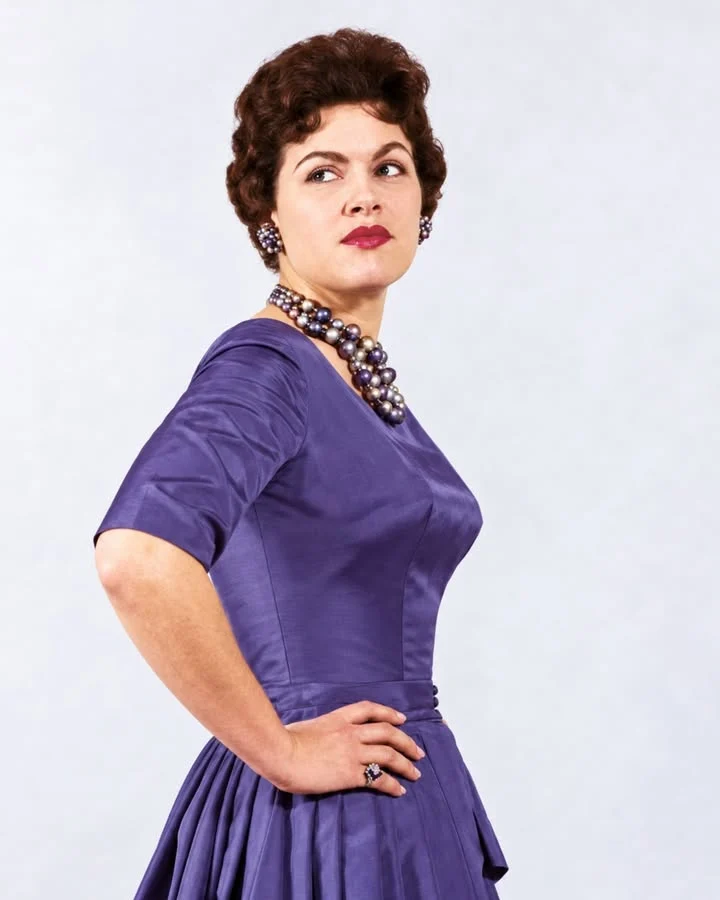
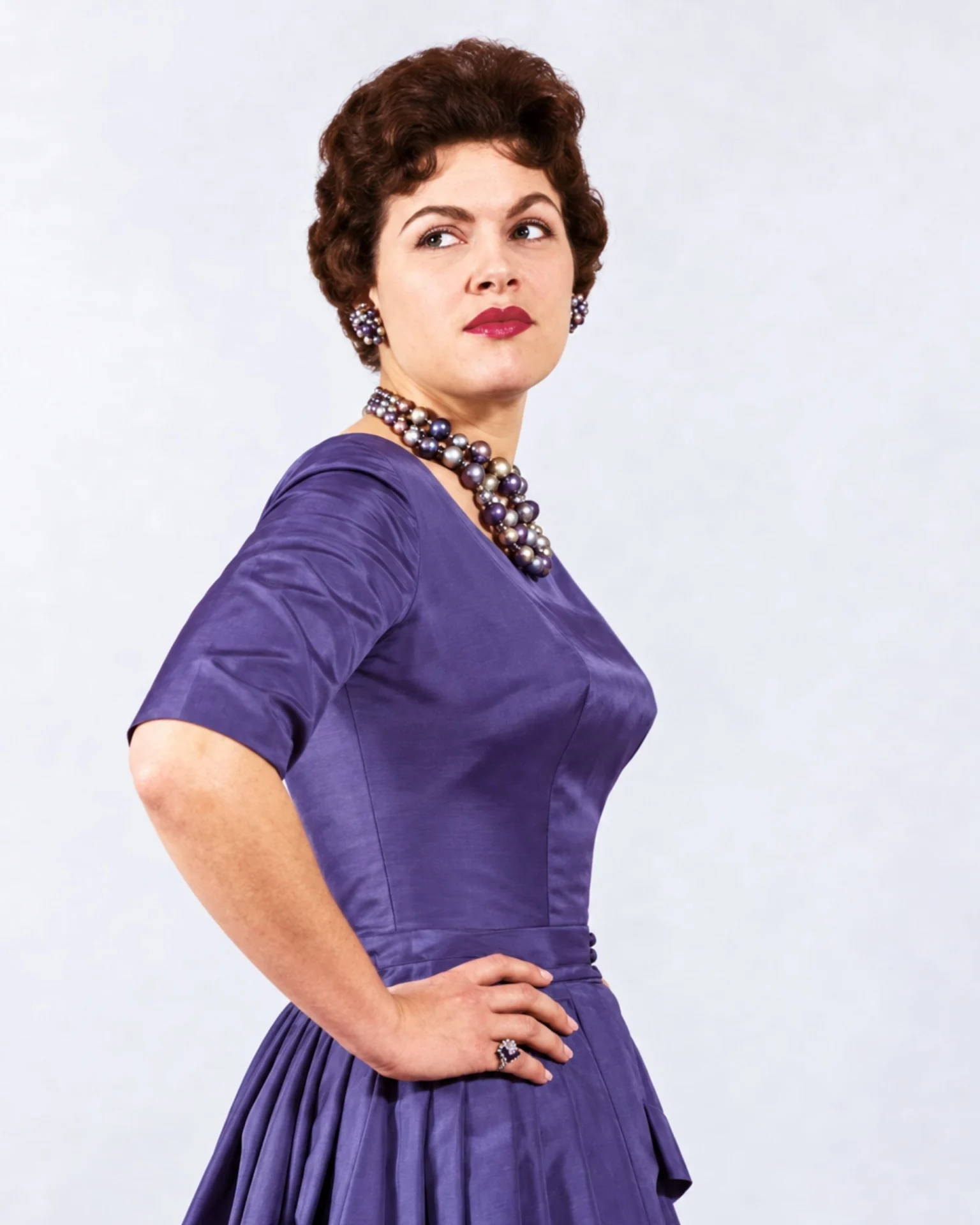
She almost walked away from the song that would define her legacy. Patsy Cline did not want to record I Fall to Pieces. Four years after Walkin’ After Midnight, her momentum had faded. Nashville gave her a new start, but the hit she needed remained out of reach. Then Hank Cochran and Harlan Howard brought a ballad to producer Owen Bradley. Bradley heard magic. Patsy heard doubt.
She had to be talked into it, Cochran later said. Bradley and the writers convinced her to try.
The studio became a battlefield. Bradley wanted a softer sound, with the Jordanaires providing a gentle cushion. Patsy fought the arrangement. She preferred the harder edge of traditional country. But Bradley understood a deeper truth.
Her voice needed space, not force. The arrangement let her stretch phrases and hold back against the beat. The ache built slowly. The Jordanaires hovered like ghosts. Steel guitar stayed present but no longer dominated. This balance gave the song its suspended heart.
For months nothing happened. Then the record climbed to number one on the country chart and crossed into pop territory. Patsy finally saw what Bradley had seen. She walked into his office after the success and told him simply,
I recorded it because you liked it. Now I just want to enjoy what it became.
That moment captured the uncomfortable transition of a singer learning to trust a new sound. The sessions that followed produced Crazy, She’s Got You, and more. But I Fall to Pieces remains the turning point, the record where country music widened its frame and a reluctant artist found her voice in the space between resistance and surrender.