
Toby Keith walked away from a national television broadcast and ignited a wildfire that would define his career. In 2002, the country star refused to alter a single lyric for ABC’s Fourth of July special, choosing principle over prime-time exposure.
The network had invited Keith to perform a new song written in response to the September 11 attacks and the loss of his father, an Army veteran. Veteran anchor Peter Jennings objected to the song’s tone, calling it too angry for a family audience. ABC offered a compromise. They asked Keith to soften the words or pick a safer hit. Keith packed his guitar and left.
The cancellation sparked a media storm. Instead of silencing the song, the network’s decision amplified it. Courtesy of the Red, White and Blue (The Angry American) shot to the top of the charts, pushing Keith’s album Unleashed to quadruple-platinum status and transforming the singer from a successful radio artist into a cultural lightning rod.
The nation needs to hear this message directly, retired Marine Corps General James L. Jones told Keith after a Pentagon performance, urging him to record the private tribute.
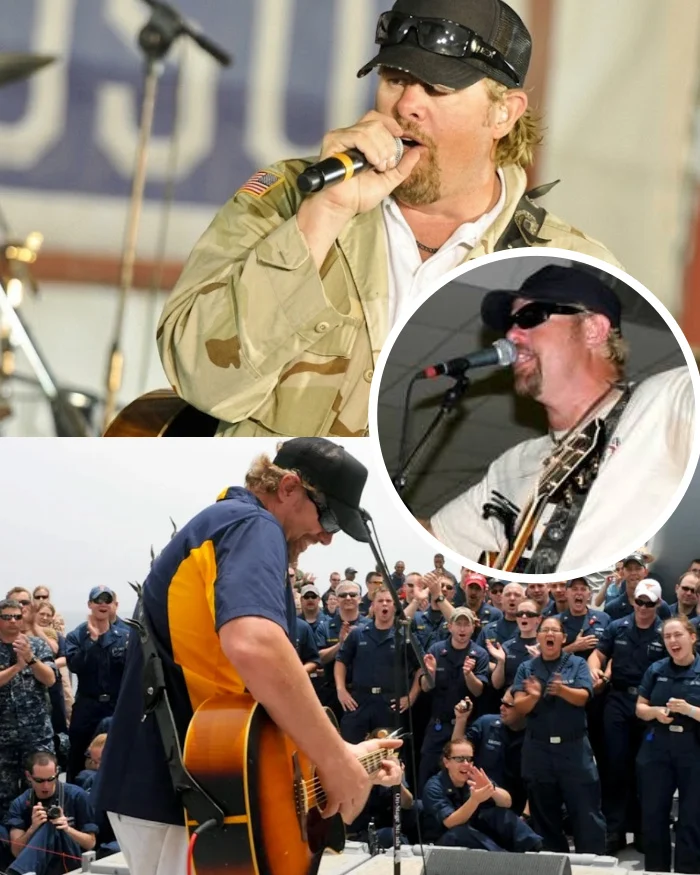
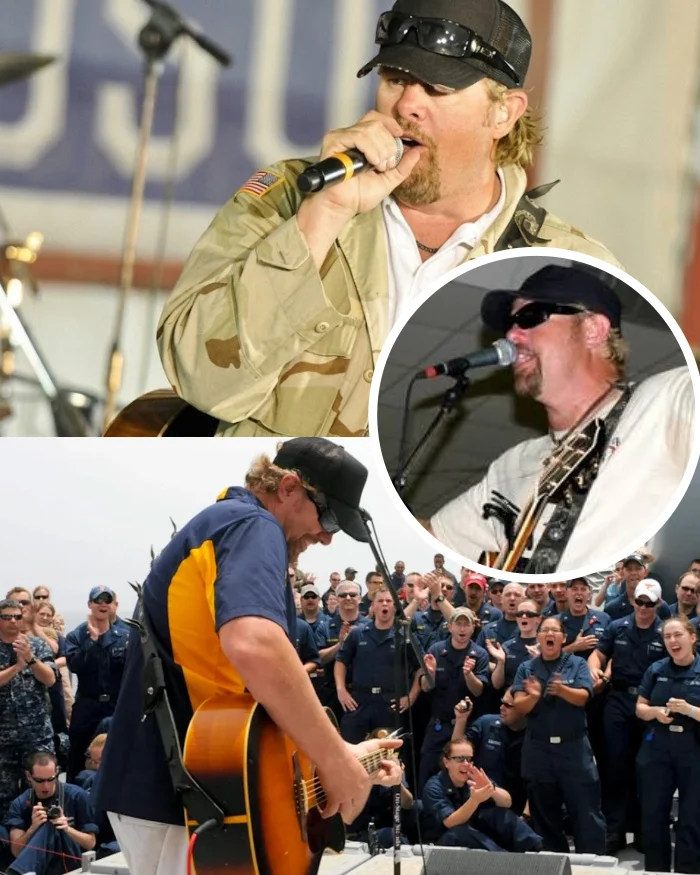
Keith originally penned the raw words on a paper sack in late 2001. It was never meant for commercial radio. He sang it only for troops during untelevised USO base visits, a personal reflection honoring his father and the servicemembers heading overseas. Only after General Jones intervention did Keith take the tape into the studio.
The boycott that intended to sideline him permanently redefined his legacy. Blue-collar crowds packed his arena tours, not looking for television diplomacy but for an artist who reflected their unvarnished reality. By standing firm, Keith proved that the stage belongs to the people who build it, not the institutions that broadcast it.