
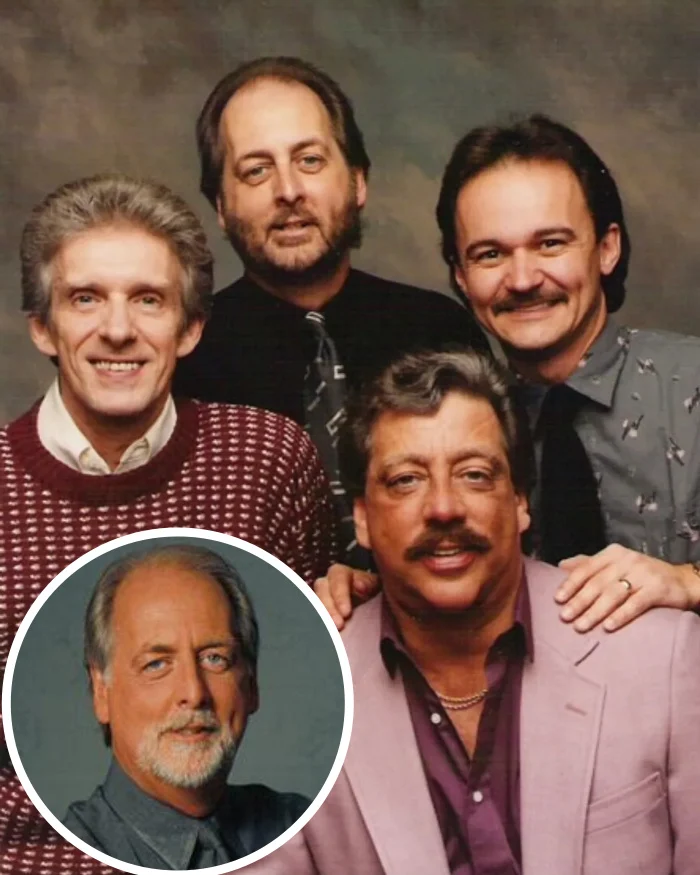
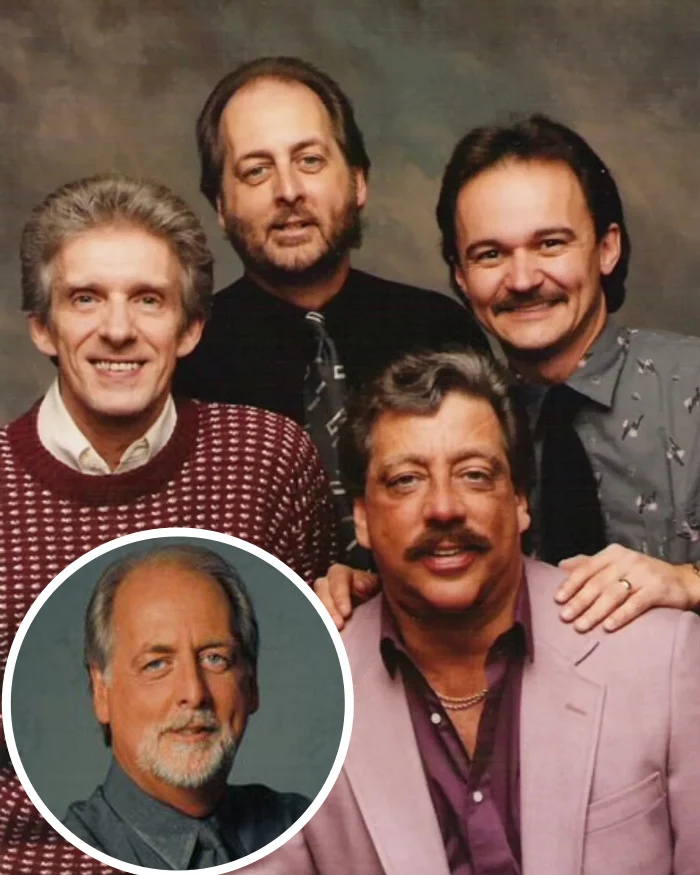
There was a time when the biggest voice in country music belonged to a man who never sang alone. Don Reid, the lead singer of The Statler Brothers, wrote songs that Elvis Presley and Tammy Wynette would immortalize. Yet, his own voice was always part of a quartet, a harmony built on 40 years of brotherhood. This is the story of a man who could have been a star but chose to be a pillar.
In 1964, four young men from Staunton, Virginia, stepped onto a stage dressed in matching suits with no record deal and no industry connections. They had only an airtight vocal blend and a shared work ethic. Johnny Cash heard them and knew instantly. He hired them as his opening act and backup singers, launching a partnership that kept The Statler Brothers on the road with the Man in Black for eight and a half years. Cash provided the trust, the nightly stage time, and the massive audiences that helped turn an observant young writer into a cornerstone of country music.
Those miles on the road shaped Reid’s primary gift. When he put a pen to paper, he did not lean on abstract poetry or polished Nashville tropes. He wrote as a faithful documentarian of working-class life. His catalog of more than 250 songs spanned country and gospel traditions, telling the truth about ordinary people with absolute clarity. He penned “The Class of ’57,” a track that earned a Grammy Award for its unvarnished look at small-town dreams settling into quiet routines. In songs like “Do You Remember These” and “I’ll Go to My Grave Loving You,” listeners heard their own lives reflected back at them.
Don Reid possessed the talent, the voice, and the catalog to stand entirely alone on any stage in Nashville. Yet he built a defining legacy by making sure the men standing next to him were heard just as clearly.
With a resonant lead vocal and an elite songwriting portfolio, a solo career was a clear option. He chose the ensemble instead. Standing shoulder to shoulder with his older brother Harold, baritone Phil Balsley, and tenors Lew DeWitt and later Jimmy Fortune, he prioritized harmony over individual spotlight. The group maintained an unbroken front, steering clear of the ego-driven fractures that routinely dismantled other famous vocal groups. Their live performances carried a distinct warmth, turning massive theater crowds into something resembling a local family gathering.
The Statler Brothers made sure their reality never drifted far from their roots. They built a garage in their hometown of Staunton just to house their tour buses, ensuring their center of gravity remained in Virginia. From 1970 onward, they poured their success back into the community, hosting an annual Independence Day festival in Gypsy Hill Park that drew tens of thousands of fans for a quarter of a century.
That commitment to their sound and their people earned them historic recognition. They were inducted into the Gospel Music Hall of Fame in 2007 and the Country Music Hall of Fame in 2008. When they finally disbanded and retired from the road in 2002, Reid did not use the farewell tour as a launching pad for a late solo run. He simply transitioned his storytelling into literature, writing books from his home in the Shenandoah Valley.
Don Reid could have stood entirely alone on any stage. Instead, he built a defining legacy by making sure the voices around him were heard just as clearly. His career was never about proving he could sing louder than the rest of the room. It was about knowing exactly how to build a harmony that would last.