
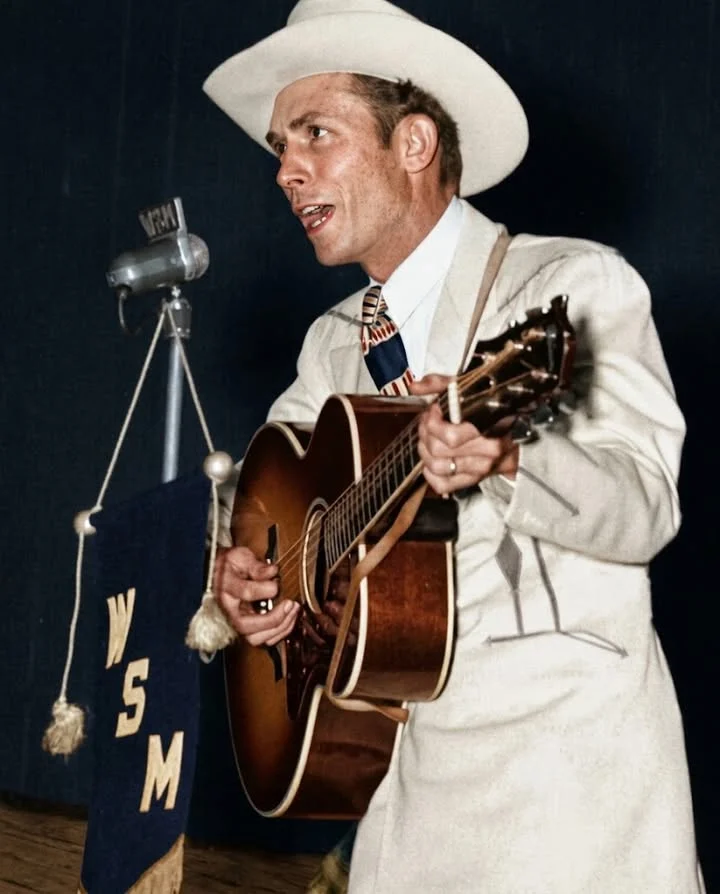
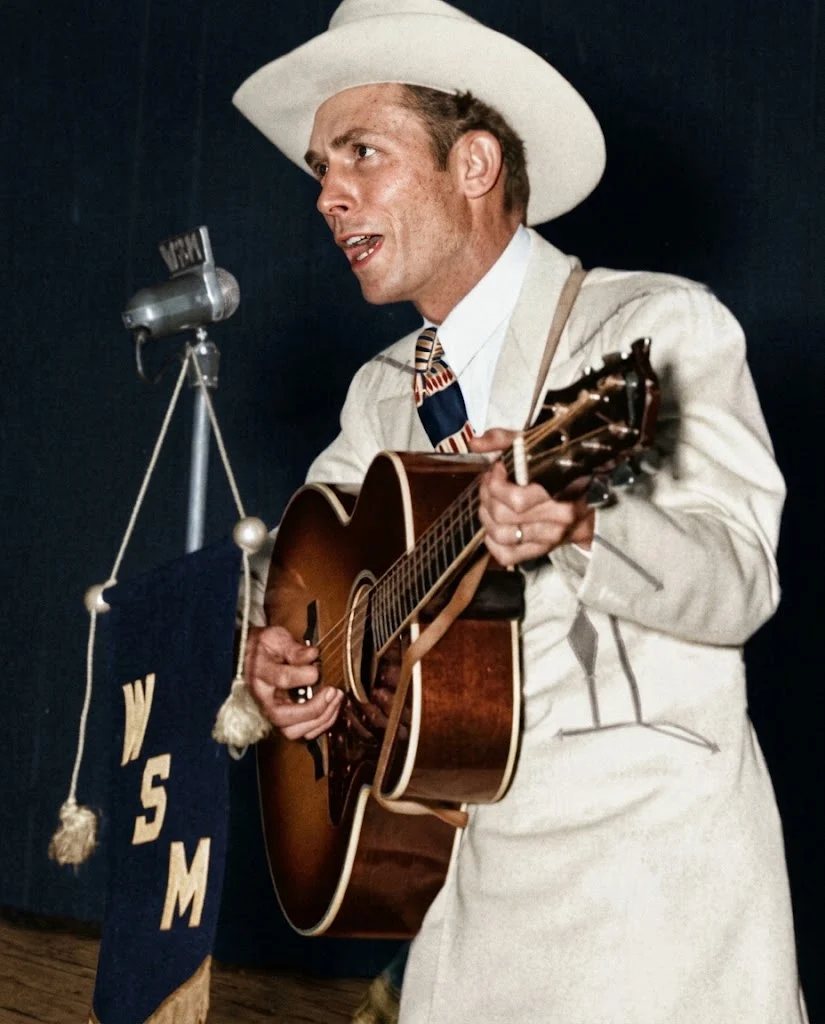
He was the voice that soothed a generation, but in the fall of 1951, Hank Williams was fighting for survival. A failed spinal fusion at Vanderbilt University Medical Center had left him in greater agony than ever. And the man entrusted with his recovery was not a real doctor but a paroled forger named Horace “Toby” Marshall, who had bought his medical license.
From childhood, Williams had carried a hidden pain. Spina bifida occulta, a congenital spinal defect, had always been a quiet ache. But a violent fall during a hunting trip in Tennessee turned that lingering shadow into an unbearable reality. The injury stripped away any normalcy, leaving the young star with a constant, radiating torment.
By late 1951, the pain had become unsustainable. Desperate for a cure, Williams checked into Vanderbilt University Medical Center for a spinal fusion surgery. The operation was supposed to be his salvation. Instead, it was a catastrophe. He emerged from the recovery room with worsened spasms and a body that had only learned to hurt more.
The procedure meant to save him had only deepened his suffering.
The Nashville industry would not let him rest. With tour contracts to honor, Williams was sent back on the road, his medical care falling into the hands of Marshall. The fraudulent doctor pumped him with morphine, chloral hydrate, and potent sedatives. This was not a slide into excess, it was a grim necessity. Williams was medicating himself just to stand under the lights.
That physical anguish bled into his music. The song “I’ll Never Get Out of This World Alive” became a prophetic echo. The cracks in his voice on those final recordings were not studio craft, they were the genuine sound of a body giving out. The lyrics mirrored his own reality, a man overwhelmed by hardship and helplessness.
Onstage, thousands of fans cheered for the man they loved. Offstage, he was profoundly isolated, trapped in a failing body and a mind clouded by painkillers. The audiences adored him, and the industry needed his name, but the tour schedule refused to pause for a man who could barely stand.
Hank Williams’ final months were not a celebration of a young legend at his peak. They were a stark portrait of endurance, a man burning himself alive for the art he loved. The legacy he left behind continues to echo, but it carries with it the true cost of stardom. He gave everything to the song, and in the end, the song took everything from him.