
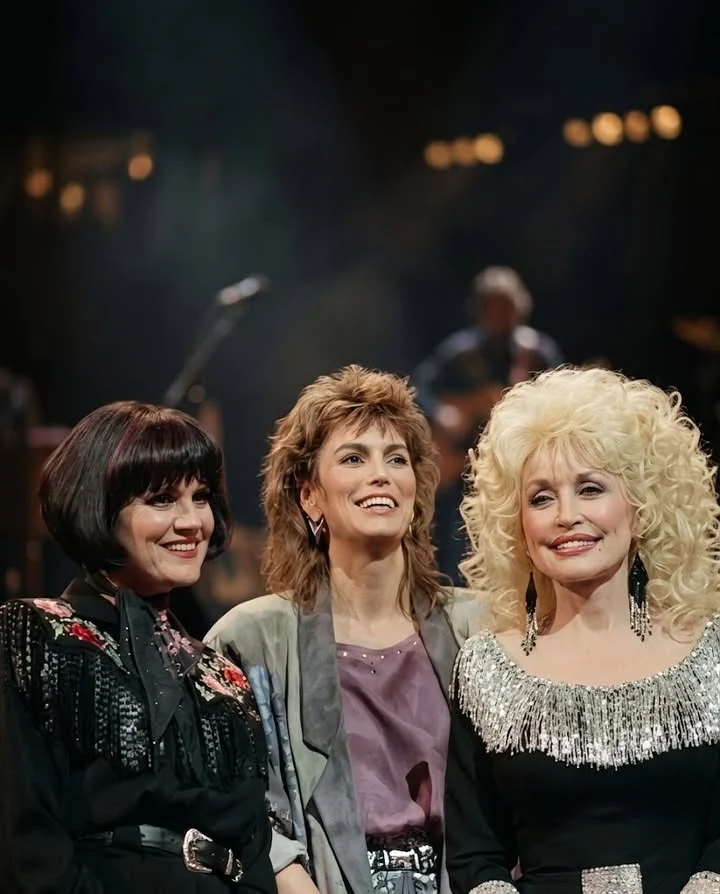
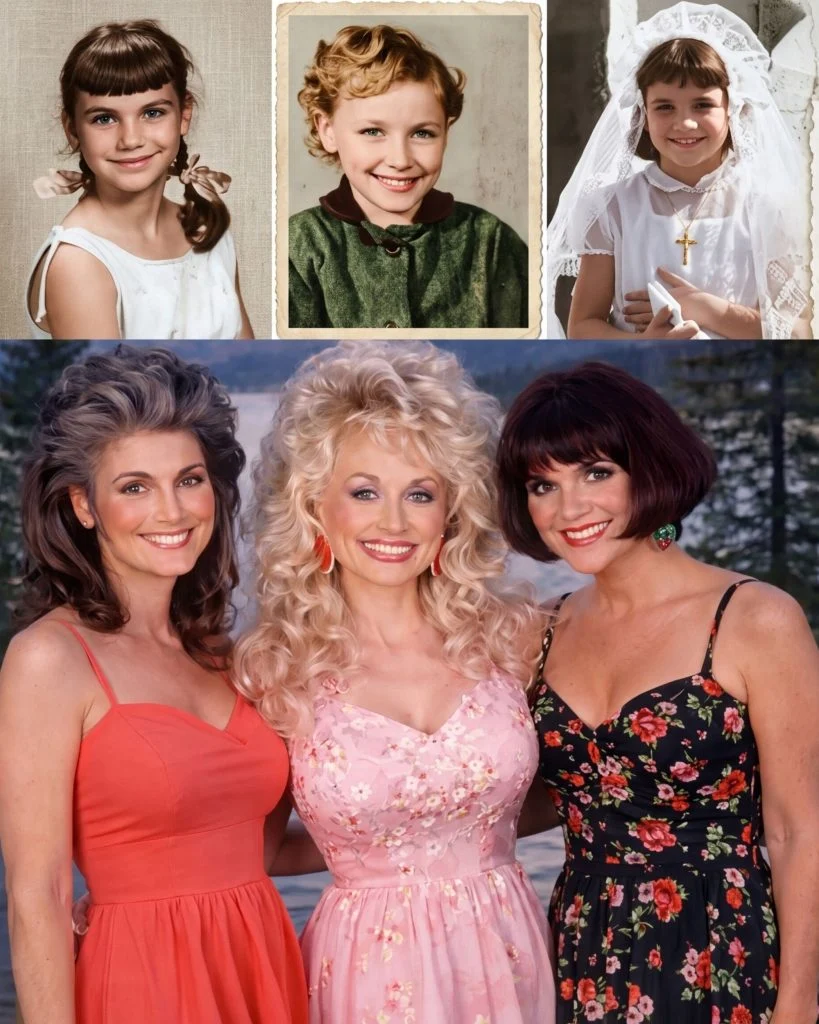
The air in the recording booth felt heavy that day. Dolly Parton, Linda Ronstadt, and Emmylou Harris stood around their microphones, but the magic that once flowed so effortlessly now seemed to have vanished. Linda stared at the lyrics, her voice caught on a single word. Dolly’s usual spark had dimmed. Emmylou waited in the shadows, her hand trembling. They were three legends, but in that moment, they were three women haunted by the weight of expectation.
In 1987, they had created something extraordinary. Their first album, Trio, was a phenomenon—a blend of Appalachian shimmer, velvet power, and silver ache that felt like destiny. The industry assumed that once you captured lightning in a bottle, you simply kept the cork tight. But life, and the business that surrounds it, is rarely that kind to magic.
When they stepped back into the studio in 1994, they were older, wiser, and perhaps more guarded. The world expected an immediate sequel. And for a moment, the harmonies were still there. They laid down tracks, finding that secret frequency where three voices become one soul. They finished the work, expecting the world to hear it by the next season. But then the machines stopped.
Sometimes the hardest part of a harmony isn’t hitting the high note, but having the patience to wait for the world to let you sing it.
Disputes over contracts and release dates turned the music into a hostage of the mundane. The tapes sat in the dark for five long years. It wasn’t a fracture of friendship but a friction of the system. Rumors filled the gaps where the music should have been. Linda eventually took some of those songs and put them on her own record, Feels Like Home, just to ensure the beauty wasn’t entirely lost to the dust.
They didn’t push. They didn’t scream. They simply lived their lives, three legends moving in different orbits, while their collective masterpiece sat on a shelf. They proved that beauty doesn’t have an expiration date, even when the business says it does.
In 1999, Trio II finally reached the daylight. When people pressed play, they didn’t hear the five years of legal battles or the frustration of the delay. They heard three friends who had captured something so pure that time couldn’t touch it. The record was a bridge across a half-decade of silence. It reminded everyone that the best things aren’t always the things that happen fast. Sometimes, the most profound music is the kind that has to survive the dark before it can reach the light.
The harmonies still feel like a miracle. They remind us that even when the world forces a pause, the song is still there, waiting for the right moment to breathe. And in the end, the wait only made the music sound a little more like home.