
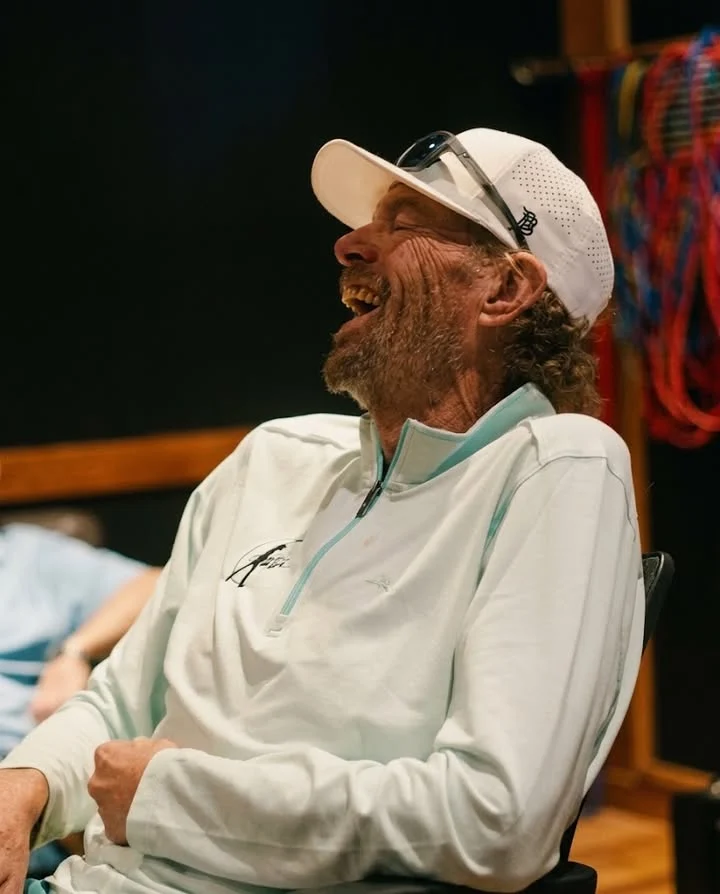

The night the country music industry finally heard Toby Keith, the sound did not arrive from a polished Nashville studio. It arrived through a worn demo tape carried by a flight attendant who had watched him fight for attention in Oklahoma honky-tonks long before the arenas came. That single moment in 1993 changed the life of a singer shaped by oil rigs, football fields, motel rooms, and years of rejection.
Before his deep baritone became impossible to ignore on country radio, Keith spent a decade surviving the brutal rhythm of hard work and hope. He began in the Oklahoma oil fields after high school in the late 1970s. He worked as a derrick hand through dangerous shifts while still carrying the fire of a performer. At night he fronted the Easy Money band across Texas and Oklahoma honky-tonks.
For years he lived a punishing double life. He would finish a shift covered in dirt and crude oil, wash off quickly, and drive to a smoky neon barroom to sing for hours. The crowds were often sparse. Tired workers barely looked up from their drinks. Still he played as if every room mattered.
When the regional oil industry collapsed in the mid-1980s, the safety net disappeared. Keith had a young family relying on him. The pressure to quit music and chase a stable paycheck was intense. He refused. He joined the Oklahoma City Drillers semi-pro football team and played on the defensive line to earn extra money while keeping his band on the road.
He drove lonely Southwest highways in a beat-up van, far from the glittering country music establishment. In cheap motel rooms after long sets, faded family photos on a nightstand reminded him why quitting was not an option. The dream stayed alive because his family needed him to keep trying.
By the early 1990s Keith had built a strong regional following, but Music Row remained closed. He carried demo tapes recorded on a shoestring budget and knocked on the doors of major labels. Executives turned him away. They called his rough and unfiltered style a poor fit for the radio landscape of the era. They said his delivery was too blunt and his songwriting too traditional.
Each rejection hardened his resolve. He did not soften his voice to please the boardroom. He kept his original sound, even when the industry told him it had no place in Nashville.
The breakthrough came through loyalty from an ordinary fan, not a powerful insider. A flight attendant who had become a devoted listener of his local shows served Mercury Records executive Harold Shedd on a flight. She personally handed Shedd Keith’s demo tape. That act of belief opened the door that hundreds of closed doors could not.
Shedd listened to the tape, which featured a self-penned track about the romanticized life of a cowboy. He heard the raw authenticity in the vocal. He then traveled to Oklahoma to watch Keith perform in his own element. The honky-tonk crowd was loud and demanding, yet Keith commanded it completely. Shedd offered him a record deal.
That demo tape launched a debut release that shot to the top of the charts and permanently altered the trajectory of modern country music. The same industry that had repeatedly rejected him was forced to build a new era around him.
When Toby Keith passed away in February 2024, the world remembered a larger-than-life superstar with decades of massive hits. Yet throughout his multi-platinum career he never lost the work ethic learned on the derrick rigs. He wrote his own songs, controlled his own business, and remained fiercely loyal to the working-class audience that supported him when he had nothing.
He did not change his voice to fit the establishment. He simply outworked them until they realized they needed his voice.