
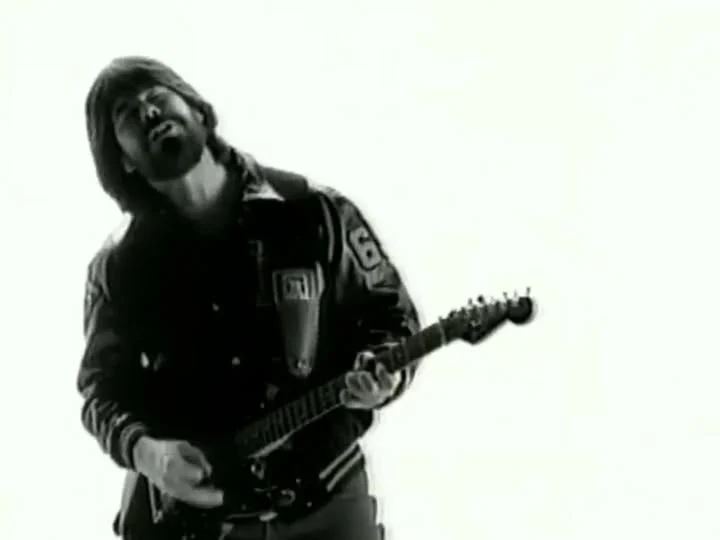
The moment arrives quietly, long after the cake has been cleared and the last party guest has gone home. A parent stands in the doorway, watching a small chest rise and fall in sleep, and feels the weight of time pressing forward. That is the ache at the heart of Alabama‘s tender ballad Never Be One—a song that captures the fleeting, precious instant when a child turns from one year old to two, never to be that tiny again.
There is a reason this track lands like a warm embrace from an old friend. The band, masters of country storytelling, build their narrative with the same gentle rhythm as a lullaby. Where many songs rush through emotions, Never Be One slows down, letting each line breathe. The lyrics speak of paper-doll worlds, a toy piano gone quiet, a tricycle waiting for legs that will soon pedal away. It is not a lament but a grateful pause—a breath taken before the next milestone rushes in.
No you’ll never be one again
The two’s are tumbling on in
Daddy’s little girl is growing up in the world
You’ll never be one again
These words resonate because they avoid grand statements. Instead, they offer the small, concrete details that define early parenthood: the birthday song sung to a sleeping child, Kermit the Frog watching from a corner, the quiet aftermath of celebration. There is no forced sentimentality here, only the honest recognition that growth is both joyful and bittersweet.
The simplest moments often carry the deepest meaning. Alabama understands this instinctively. The song’s structure mirrors a conversation held on a porch at dusk—familiar, unhurried, and full of heart. It is accessible to listeners of all ages, whether they are young parents living through these firsts or grandparents remembering them through a haze of years.
Scroll down to hear the track and feel that moment for yourself. The video, while not embedded here in text, continues the story visually—but the real power lives in the lyrics and in the quiet spaces between notes. Never Be One is a reminder to hold on a little tighter, because these days, though ordinary, will never come again.