
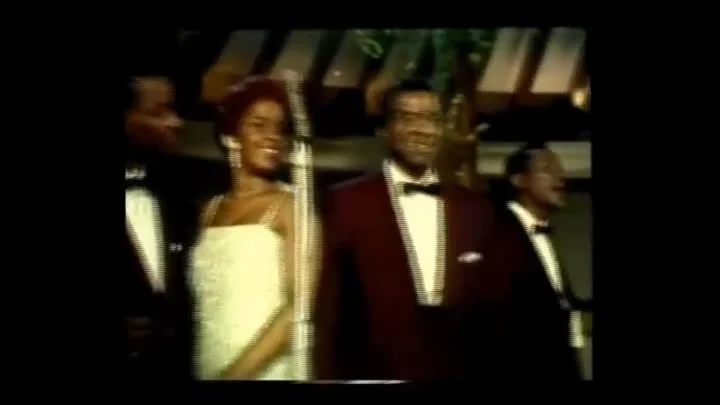
The sweetest sorrows are the ones that never quite find their resolution. In 1957, The Platters mastered this sensation with a single that refused to let go of its listener. The strings swell with dramatic weight. Tony Williams voice climbs to an aching tenor. Yet the song never breaks into full catharsis. It hangs in a state of perfect musical suspension. This was the genius of Buck Ram architectural arrangement and the hallmark of a group that blurred the lines between R&B intimacy and orchestral grandeur.
Buck Ram was not interested in the spontaneous harmonies of a street corner. His vision for The Platters was cinematic. He composed My Dream during a dizzying run of hits. The group featured the classic Mercury 5 lineup. This included lead tenor Tony Williams, contralto Zola Taylor, second tenor David Lynch, baritone Paul Robi, and bass Herb Reed. The single climbed to Number 24 on the US Pop charts. It reached Number 7 on the R&B charts. These numbers hinted at its reach but never defined its lasting power.
The opening of My Dream contains no vocal hook. Only a deep orchestral swell. Deep violins and cellos create a rich wash of sound. The atmosphere is saturated with gravity. The rhythm section enters with a stately dignity. The bass line provides a woody, throbbing anchor. The piano plays with delicate restraint, offering gentle block chords. The guitar appears as a ghost, a soft tremolo effect providing silvery counter melodies. Every instrument supports a fragile, haunting dream.
Then Tony Williams begins. He hits the phrase I see your face with an aching vulnerability. His phrasing is immaculate. He stretches syllables with a controlled vibrato that gives every word deep consequence. The group backs him like a silken net. They do not simply harmonize. They create a halo of collective sorrow. The chorus feels like a grand declaration, yet the intimacy of a private plea remains.
The Platters proved that true vocal sophistication could be a form of rock and roll. They built a bridge between the grit of the street corner and the silk of the concert hall.
The impact of My Dream extends beyond charts and sales. An elderly gentleman once shared how he learned to play the bass line by ear in his living room. He listened to Herb Reed part and claimed it taught him the foundation of a ballad. The song taught generations how to feel the music as deeply as they hear it. The Platters made glamour accessible. They turned the emotional grit of R&B into universal pop without sacrificing the heartache. The song rewards repeated listening. The layers peel back to reveal a fragile human voice at the center, forever suspended in a beautiful, aching vigil.
For those who wish to explore this emotional landscape, a collection of kindred spirits exists. The Spaniels offered a similar grand finality in Goodnight Sweetheart Goodnight. The Fleetwoods shared a whisper light texture in Come Softly To Me. The Skyliners delivered drama in Since I Don’t Have You. Sam Cooke mastered smooth restraint in You Send Me. Jerry Butler and The Impressions fused gospel with strings in For Your Precious Love. Doris Day provided the mature cinematic pop that The Platters so brilliantly channeled.