

For several long seconds after the last chord faded, no one in the Grand Ole Opry House moved at all. Thousands of people sat in heavy and reverent silence, and then they rose together, not in the usual roar of an awards show but in something far closer to prayer.
That moment on November 7, 2001, at the 35th Annual CMA Awards, had begun six weeks earlier in darkness and doubt. The country was still reeling from September 11, 2001, and much of commercial country radio had turned toward fiery and retaliatory anthems meant to project unwavering military strength. Alan Jackson had spent those early weeks staring at television screens in disbelief, unable to find a single word for the weight of the era.
Then, before dawn on Sunday, October 28, 2001, a complete melody arrived in his mind at four in the morning. Believing it had been placed in his hands for a reason, he walked downstairs in his pajamas before the rest of his house woke and hummed the rough idea into a small handheld recorder so it would not slip away.
Later that morning, after his wife and daughters left for Sunday school, Jackson stayed behind alone in his home office and began shaping the verses in total solitude. He did not turn to foreign policy or anger or political retaliation. He wrote from the place of an ordinary person sitting in front of a screen, feeling small and trying to hold on to family and faith in a world that suddenly felt unrecognizable.
Even after capturing that shared feeling of frailty and confusion, Jackson resisted taking the song into a studio. He felt deeply uncomfortable with releasing it as a commercial single because he feared it would look as if he were trying to capitalize on collective national mourning.
His hesitation began to break only when he cautiously played the rough home demo for his wife, Denise, and his longtime producer, Keith Stegall. Stegall later played the finished track for executives at the label, and the room reportedly sat in complete and stunned silence.
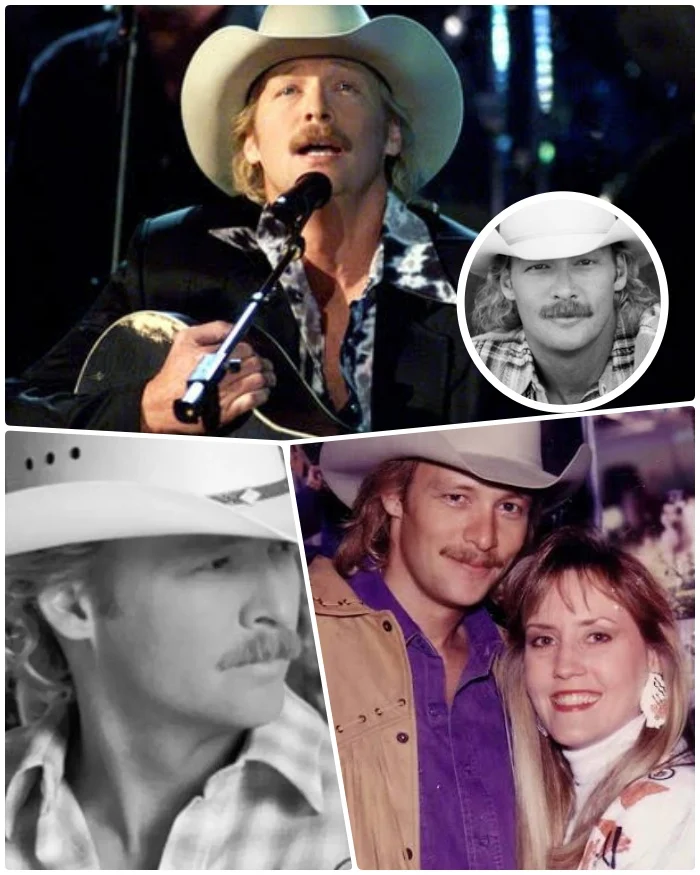
When Jackson finally introduced the song in public, he set aside every trace of commercial flair expected on a major industry broadcast. Stepping onto the stage with his white cowboy hat pulled low, he offered a sparse acoustic arrangement backed only by acoustic instruments, and the auditorium held its breath until the final note was gone.
The response was so immediate that it created an unprecedented challenge for the music industry. By the next morning, radio programmers across the country refused to wait for an official single and instead pulled the unvarnished live audio directly from the television broadcast to meet sudden public demand.
Inside Arista Nashville, executives fiercely debated how to handle the phenomenon. Realizing the public had already connected with the raw emotion of that stage performance, the label made the rare decision to rush the live recording directly to radio, and later included both the polished studio cut and the live television recording on his upcoming album.
But the truest validation did not come from charts. In the months that followed, his office received a steady stream of private letters, and Jackson held quiet conversations with first responders, police officers, and families directly affected by the tragedy. They thanked him not for a political statement but for a simple melody that acknowledged their sheer exhaustion.
By refusing to raise his voice, he gave a broken country exactly what it needed to heal.
Jackson never wanted to be a political spokesman. He simply stood under the arena lights and gave a shaken nation permission to feel vulnerable, to grieve without shouting, and to find strength in family and faith when everything else felt lost.