
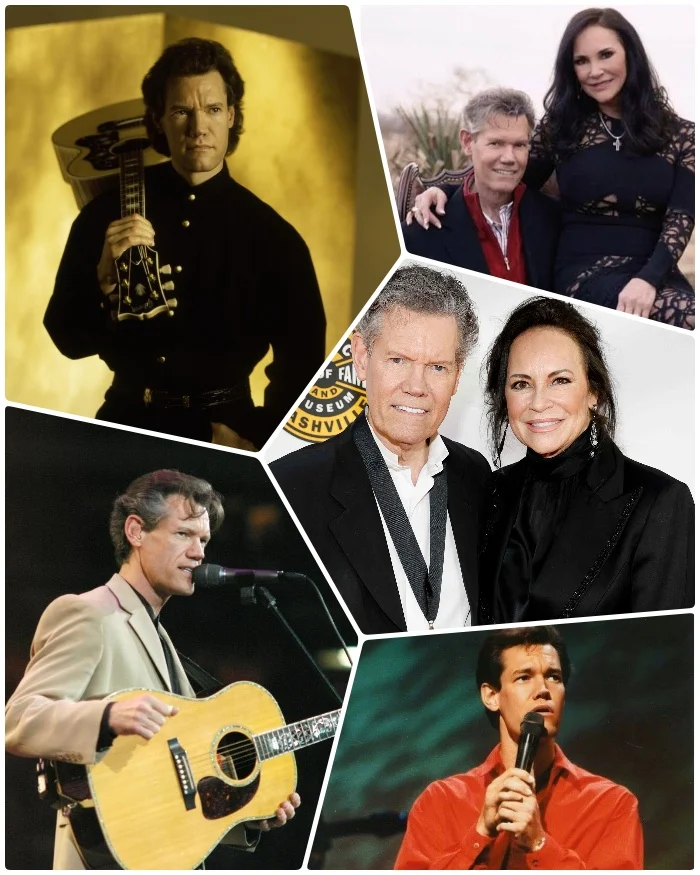
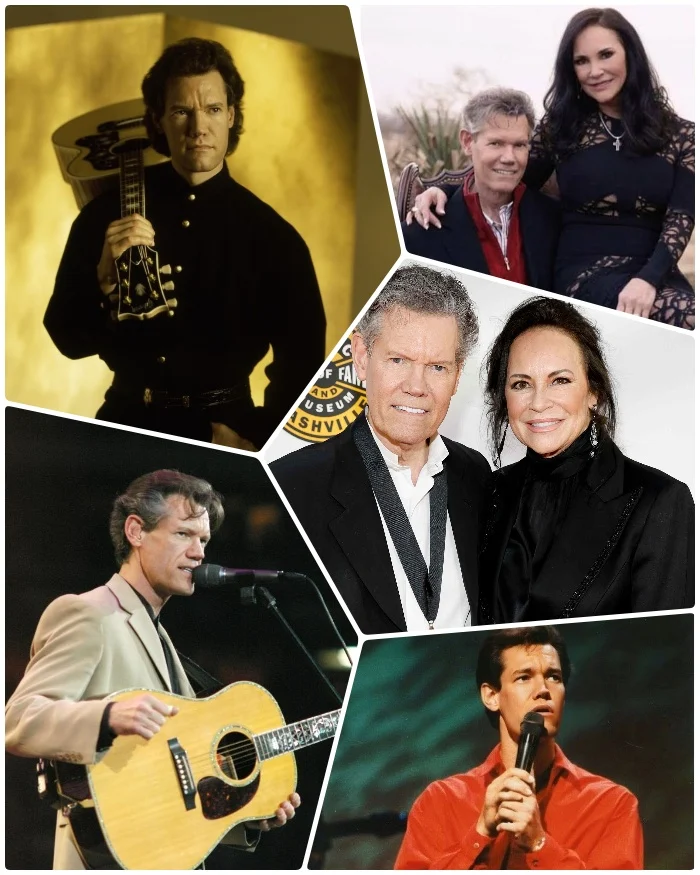
When Randy Travis stood upright in 2016 and gripped a microphone with his good hand, the crowd did not just see a country legend returning to the stage. They saw the living proof of a decision made three years earlier in a cold Texas hospital corridor, a decision that had defied every grim warning and kept a broken body tethered to life.
In July 2013, acute viral cardiomyopathy had pushed Randy Travis into severe congestive heart failure and circulatory collapse. Inside a Texas intensive care unit, complications spread to his brain and his lungs and his kidneys, and the conferences between doctors grew bleaker with each passing day.
Doctors laid out the prognosis with painful honesty and told Mary Davis that withdrawing active intervention might spare him further suffering. She stood alone in that corridor, faced with papers that would end the fight, and she refused to sign them.
As his sole protector in that moment, Mary shouldered the legal and moral weight of a choice no one else would make. She chose faith and devotion over cold clinical finality, and that refusal changed everything that followed.
Because she would not let go, doctors kept heart and lung support running and found the critical window for essential surgery. Surgeons worked to stabilize his heart and relieve dangerous pressure inside his skull while Mary stayed anchored at his bedside through high fevers and the steady rhythm of monitors, holding his thin hand and speaking quietly to a man who lay motionless beneath a web of medical lines.
When everything else had given way, her devotion did not move.
After nearly six months in hospital, Randy was finally cleared to return home to Texas just before Thanksgiving. The stroke had struck the left hemisphere of his brain, leaving profound expressive aphasia and severe hemiparesis that paralyzed the right side of his body. The voice that had shaped modern country music for three decades could no longer form full sentences, and basic motor functions that once felt effortless had vanished.
At home, Mary turned their daily life into an intensive round-the-clock rehabilitation clinic. For up to four hours every single day, they worked through physical therapy and occupational therapy and speech therapy, measuring progress not in songs or stage appearances but in small victories that most people would never notice.
Victory meant gripping a rubber ball and lifting his right foot onto a low step and pronouncing a single-syllable vowel sound. In those early months, Randy had to relearn the simplest tasks from scratch, from swallowing safely to navigating doorways in a wheelchair. Mary became his full-time caregiver, helping with transfers and managing complex medication schedules and learning to read the subtle nods and facial cues and finger gestures he used to share what he needed.
In March 2015, in the middle of that grueling private routine, the couple married in a quiet ceremony. By taking his last name, Mary officially assumed legal stewardship over his health decisions, cementing in law the partnership that had already pulled him back from the edge of death.
Bit by bit, the relentless regimen brought small breakthroughs. With Mary bracing his side, Randy graduated from a wheelchair to walking short distances with a cane. After months of repetitive neuromuscular therapy, he could cradle a guitar in his lap once more, pressing frets with his left hand while Mary guided his right arm across the strings to awaken dormant muscle memory.
That long road led back to the spotlight during his emotional 2016 Country Music Hall of Fame induction. Fans saw a man standing upright and clutching a microphone with his good hand, and beside him, holding his arm and gently filling in the words he could not vocalize, Mary stood exactly where she had stood in that hospital corridor, steadying every deliberate step forward.