
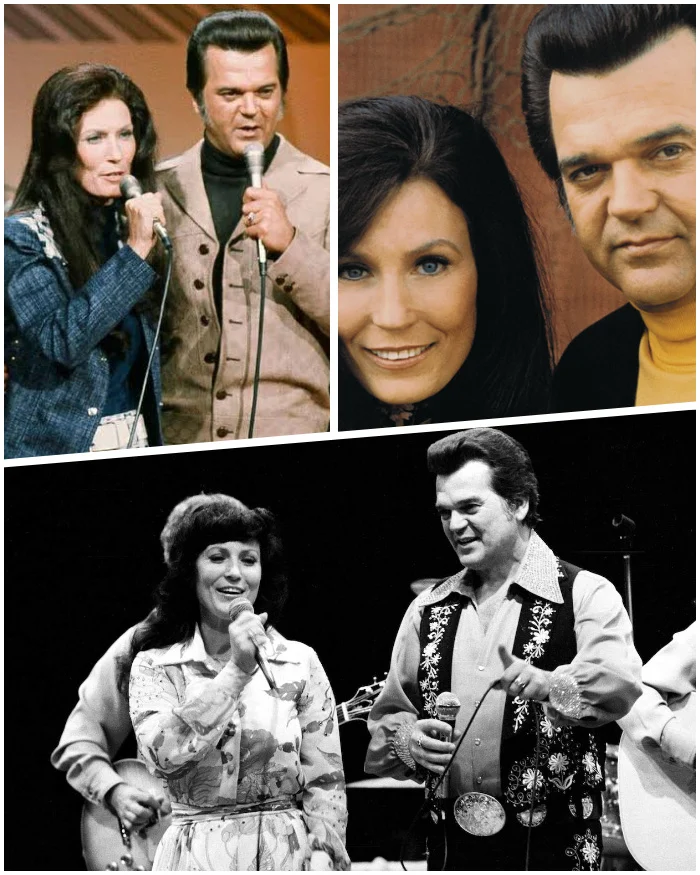
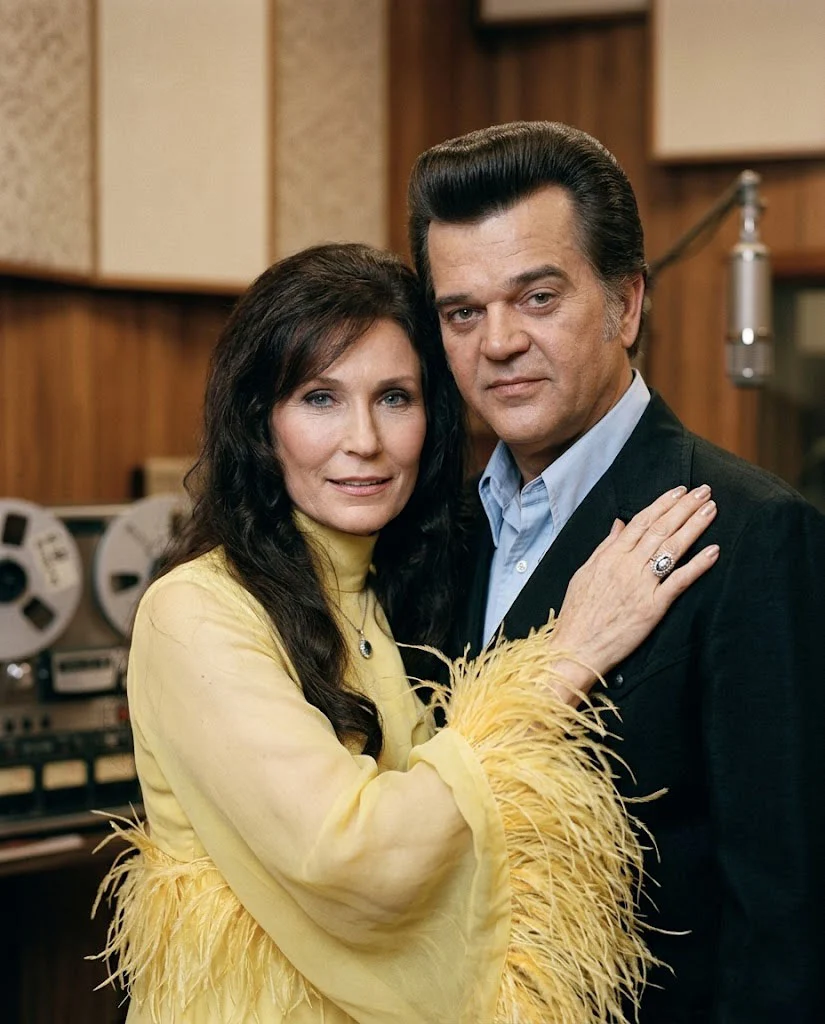
Most country duets in the 1970s promised warm endings and tidy love. Conway Twitty and Loretta Lynn walked into a darker room with After The Fire Is Gone and gave listeners a truth many people hid from their own mirrors.
The record arrived in 1971. It climbed to number one on the country charts and later earned a Grammy Award. Yet its lasting power came from something smaller than awards.
It felt like a private conversation. A married woman. A man who was not her husband. Two tired voices standing too close to each other.
Loneliness can open the wrong door long before a promise is broken.
The song did not shout. It did not paint villains or heroes. It moved through the quiet spaces where affection fades at home and someone else seems to understand you at the wrong moment.
Loretta carried exhaustion beneath her strength. Conway answered with familiar warmth, yet here that warmth felt heavier and more human. The pauses between their lines became the real confession.
Listeners split in how they received it. Some felt comforted because life did not fit neat moral lessons. Others felt exposed because emotional betrayal often begins with a glance, a late talk, or a silence at the dinner table.
Conway and Loretta trusted the silence more than spectacle. They left room around the words so people could bring their own memories into the song.
Decades later After The Fire Is Gone still feels lived in. It is fragile. It is unresolved. It follows people home after the music stops because it never asked them to admire forbidden love. It only asked them to recognize how easily loneliness can move in.