
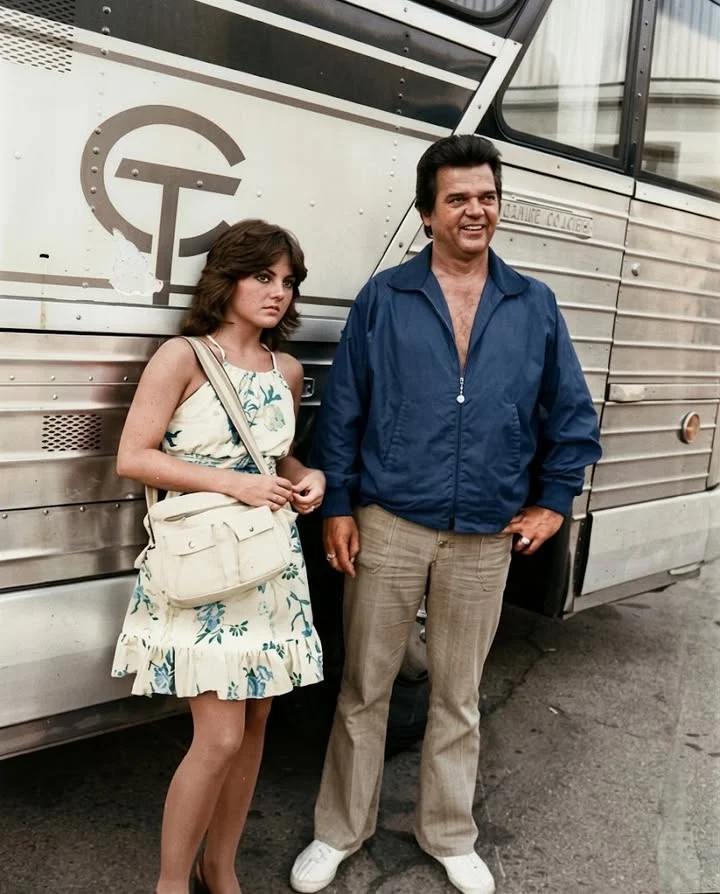
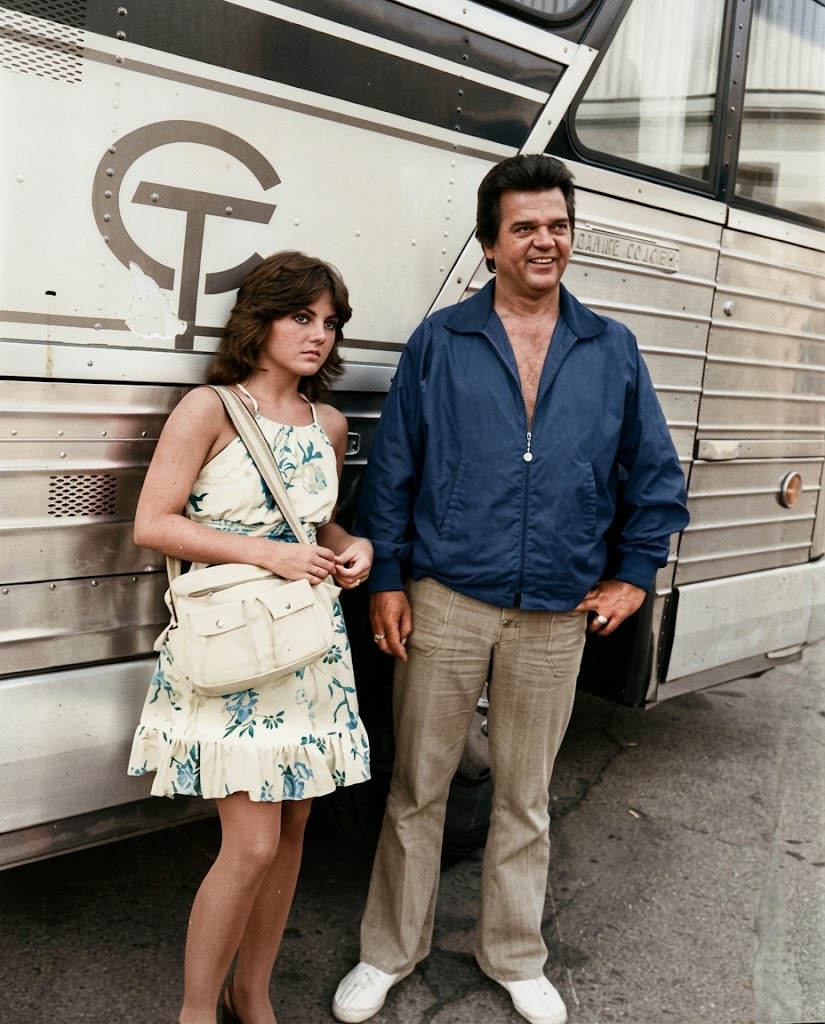
Conway Twitty walked off a stage in Branson for the last time with the same steady grace that had carried him through a lifetime of applause. The crowd had no idea that the final bow was already the beginning of a goodbye.
In early June 1993, the country legend known as Conway Twitty, born Harold Lloyd Jenkins, appeared at the Jim Stafford Theatre in Missouri. He was 59 years old and had built a towering catalog of country number one hits. That Friday night, June 4, he performed through a deep physical toll and gave fans the polished show they expected from one of the most devoted entertainers in the genre.
He opened with the familiar growl of Hello Darlin and moved through songs that had shaped decades of heartbreak. There was no dramatic farewell speech and no warning that his body was already failing. When the curtain closed, he thanked the audience, stepped onto his tour bus, and began the drive toward Nashville.
The destination mattered. The annual Country Music Fan Fair was about to open, and thousands of fans were waiting for the man who had set a rare standard of professionalism. Nashville was ready to celebrate him. The highway was not ready to let him arrive.
After a short distance, the bus pulled over in Springfield, Missouri. Twitty collapsed in severe pain. The quiet hum of travel gave way to the urgent rush of Cox Medical Center South. Doctors determined he had suffered a ruptured abdominal aortic aneurysm and moved him into emergency surgery.
While festival excitement spread through Nashville, his wife Dee Henry stood beside him through the night. The medical team worked with everything it had, but the damage was too great. Early the next morning, on June 5, Conway Twitty passed away far from the spotlight and surrounded by the quiet devotion of family.
The news reached Fan Fair just as the gates were opening. A week built for celebration became a collective goodbye. Fans wept at artist booths. Performers took the stage and dedicated songs to the man who had shown them how to honor both the music and the audience.
Twitty had been more than a rockabilly pioneer turned country giant. He had been an architect of emotional truth, especially through his solo hits and legendary duets with Loretta Lynn. He did not need flashy gimmicks. He could command a room by standing still and delivering a lyric with piercing honesty.
He had spent his adult life on the road, traveling from town to town so the audience would get exactly what they paid for. Even during a fatal internal crisis, he protected the people in front of him and never let them see the pain behind the performance.
He gave everything to the stage, and the world learned too late how much that sacrifice really cost.
The bus never reached Hendersonville. The fans waiting at Fan Fair never saw him walk onto another stage. Yet Conway Twitty had already arrived at something permanent, a legacy built on devotion, discipline, and the courage to give the last note he had.