
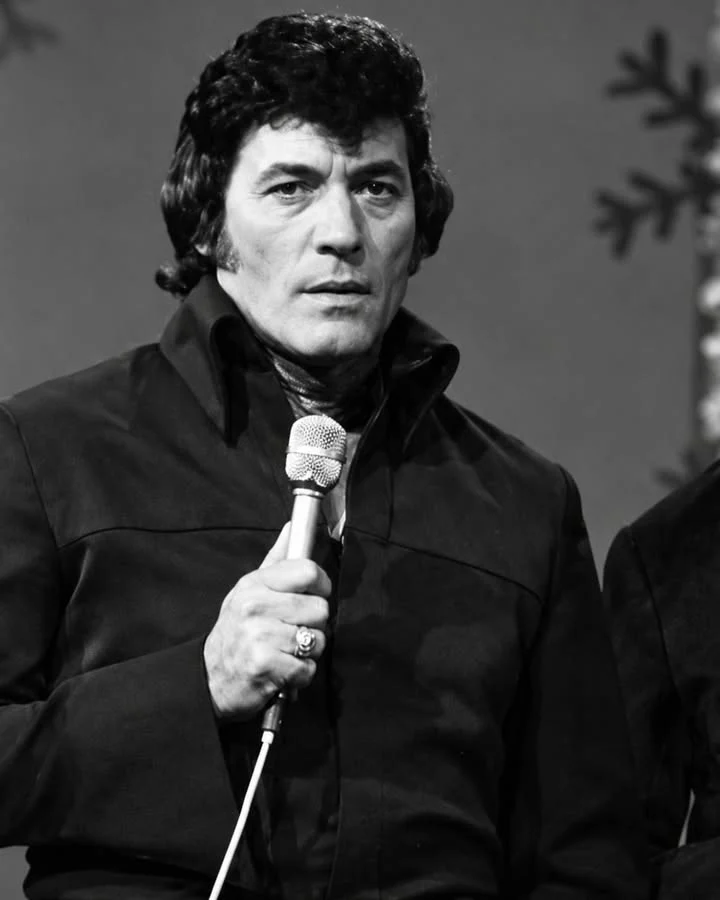
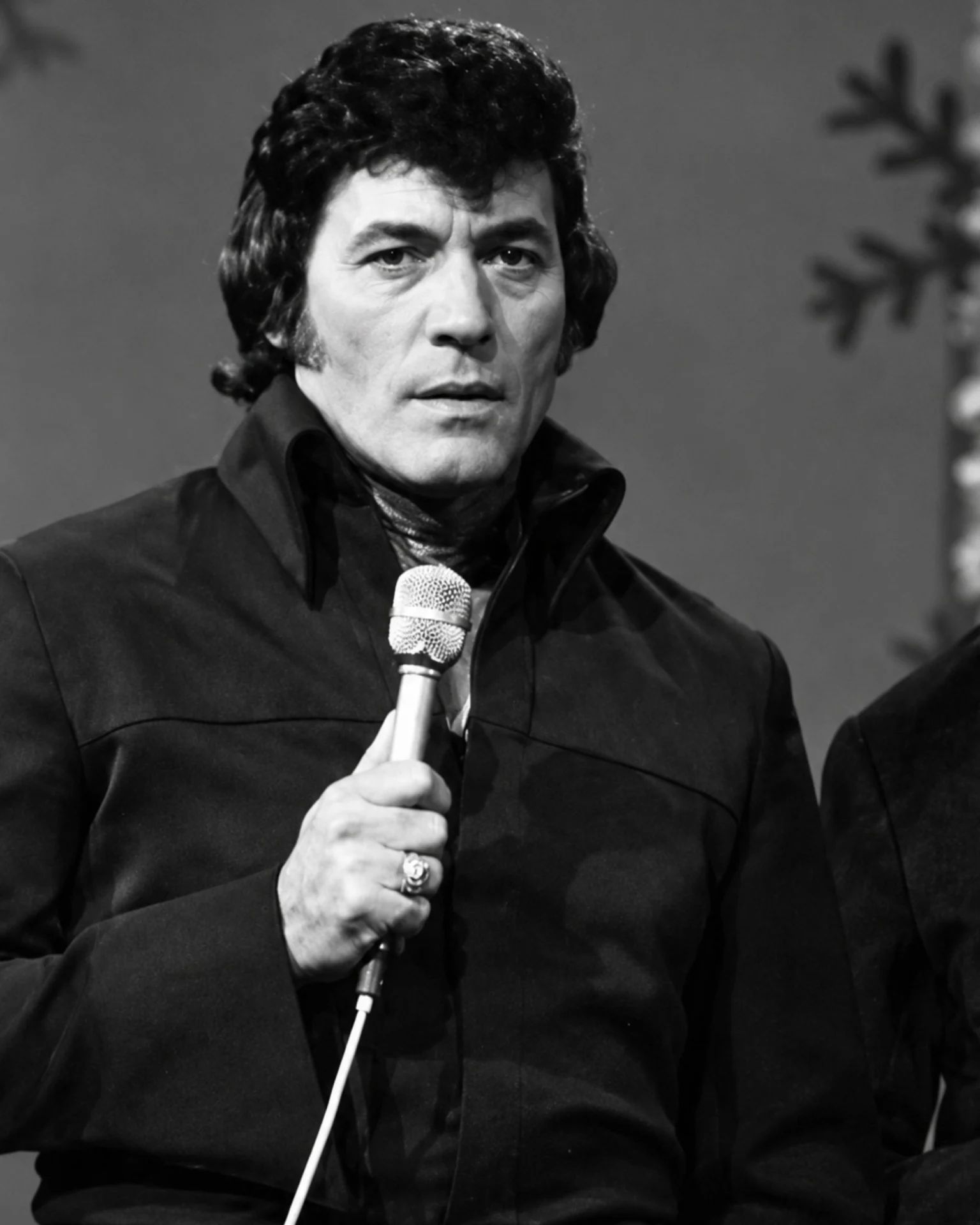
He was hours away from the biggest night of his life. Instead, Carl Perkins woke up in a Delaware hospital, his body broken, his hit record soaring without him.
By March 1956, Carl Perkins had finally escaped the Southern honky-tonk circuit. His song “Blue Suede Shoes,” cut at Sun Records in December 1955, was doing the impossible – climbing country, pop, and R&B charts all at once. It became Sun’s first million-selling single, and Perkins suddenly had the kind of momentum that could turn a regional singer into a national star.
The next move was television. After a show in Norfolk, Virginia, Perkins and his band headed north for New York, where he was booked on The Perry Como Show for March 24. They never made it.
Just before sunrise on March 22, on Route 13 near Dover, Delaware, their car slammed into the rear of a pickup truck and left the road. Perkins was thrown unconscious into shallow water. Drummer W.S. “Fluke” Holland pulled him to safety.
The injuries were devastating.
Perkins suffered fractured vertebrae in his neck, a broken collarbone, a serious concussion, and cuts all over. The pickup driver, Thomas Phillips, died at the scene. Carl’s brother Jay sustained a fractured neck and severe internal injuries from which he never fully recovered.
Instead of stepping onto a national television set, Carl spent weeks in recovery. And timing proved cruel.
“Blue Suede Shoes was still climbing. Elvis Presley had already recorded his own version, and his expanding TV presence carried the song to an even larger audience while Perkins lay in a hospital bed.”
Perkins remained the songwriter and the man whose Sun recording broke first. But the crash yanked him off the road precisely when visibility mattered most. The moment kept moving without him.
He eventually returned to Sun and made more enduring records – “Boppin’ the Blues,” “Matchbox,” “Dixie Fried” and others. Yet the trajectory never looked the same. Before the wreck, that song seemed ready to launch him into the national spotlight. After, he was still respected, still talented – but the first great burst had passed through a door he could not walk through in time.
Years later, the Beatles recorded his songs. Johnny Cash took “Daddy Sang Bass,” written by Perkins, to No. 1. Perkins became recognized as a foundational rockabilly figure. The missed Perry Como appearance marked the point where his story shifted from immediate stardom to lasting influence.
Carl Perkins never had that one television night. But his sound kept walking into rooms without him.
Every time “Blue Suede Shoes” starts up, you can still hear the man who was on his way to New York before the road broke open.