
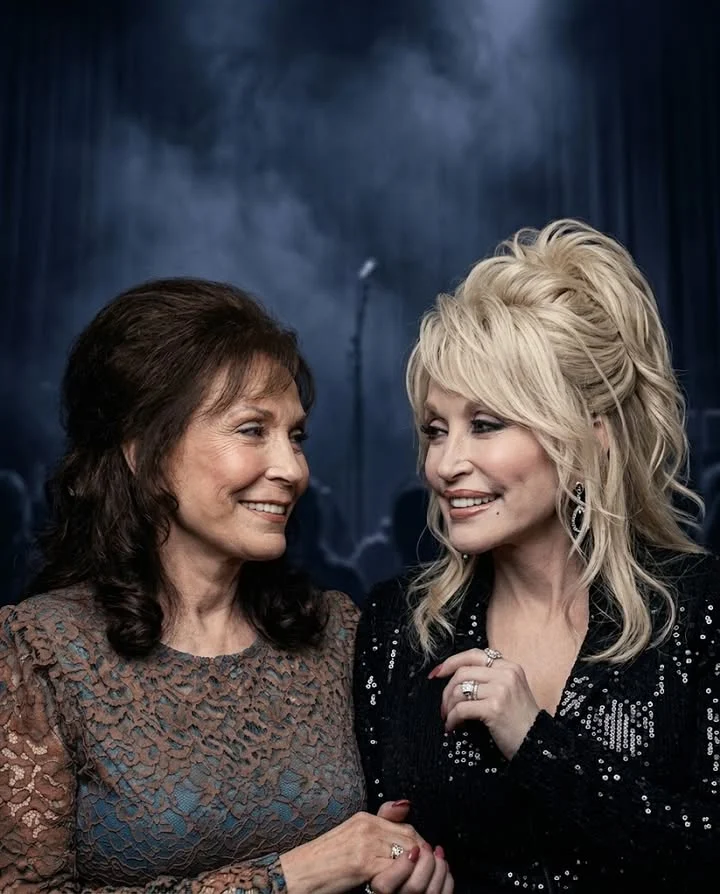
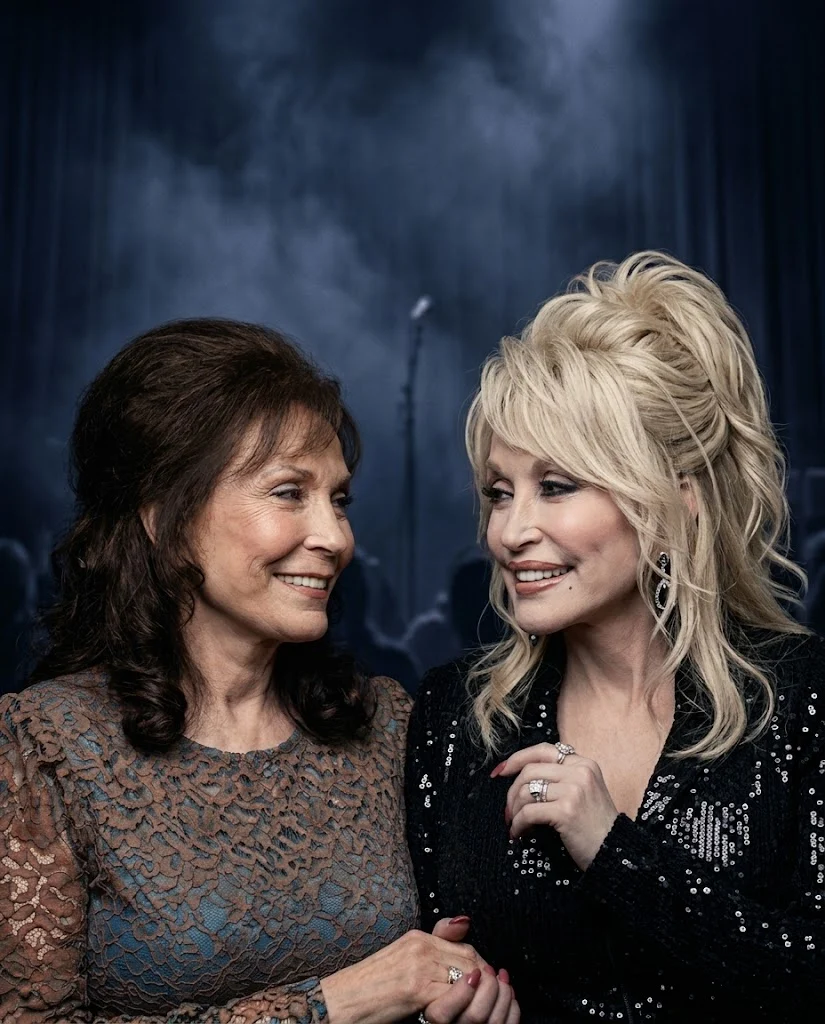
A microphone became an act of mercy. Dolly Parton stood in front of it and sang Loretta Lynn’s most painful truth. That choice made a historic session feel like shelter.
In 1993, three towering women of country music finally shared a Nashville studio. Dolly Parton, Loretta Lynn, and Tammy Wynette worked on Honky Tonk Angels. They carried decades of fame, scrutiny, heartbreak, and hard-won survival into one room.
One song mattered most. It was called Wouldn’t It Be Great. Lynn wrote it alone. The lyric came from her marriage to Doolittle and his severe battle with alcoholism. It was not a convenient country sorrow. It was a private wound opened for the public.
Traditional Nashville rules would have placed Lynn at the front of the microphone. The writer who lived the pain would usually deliver the lead vocal. The trio chose a gentler path. Parton took the lead. Lynn and Wynette supported with harmonies.
That decision revealed something larger than songcraft. Parton had built a global empire with her own pen. She could have filled the album with her catalog. Instead, she used her voice to lift Lynn’s story and validate a peer’s art.
For Lynn, the arrangement gave breathing room. She could stand in the background and harmonize with her own survival. She did not have to relive the exhaustion under the spotlight. Parton carried the emotional weight of the song.
“She allowed Lynn to stand in the background and harmonize with her own survival.”
Wynette also needed grace. Her voice had shaped the biggest heartbreak anthems in country music. By 1993, she was fighting physical decline and chronic pain. The room held no ego battle. It held three women offering one another dignity.
Getting them together had not been simple. Parton spent years pushing toward one master tape. Nashville executives protected exclusive contracts. Lynn was tied to MCA Records. Wynette and Parton worked under different banners inside the Sony corporate umbrella.
Parton refused to let the project die in a boardroom. She used her industry power as a co-producer to make the competing labels cooperate. She demanded legal waivers and equal billing for all three artists.
When the corporate walls finally opened, the women entered as allies rather than rivals. Honky Tonk Angels earned Gold certification. The release proved their authentic storytelling still carried commercial power while country radio chased a younger pop sound.
The session later gained a heavier meaning. Wynette died in 1998. The 1993 master tapes became an irreplaceable document of her presence beside two legends.
Parton did more than get her friends into a studio. She carried the lead vocal so Lynn could stand in safety. She turned a painful story into a shared act of endurance.