
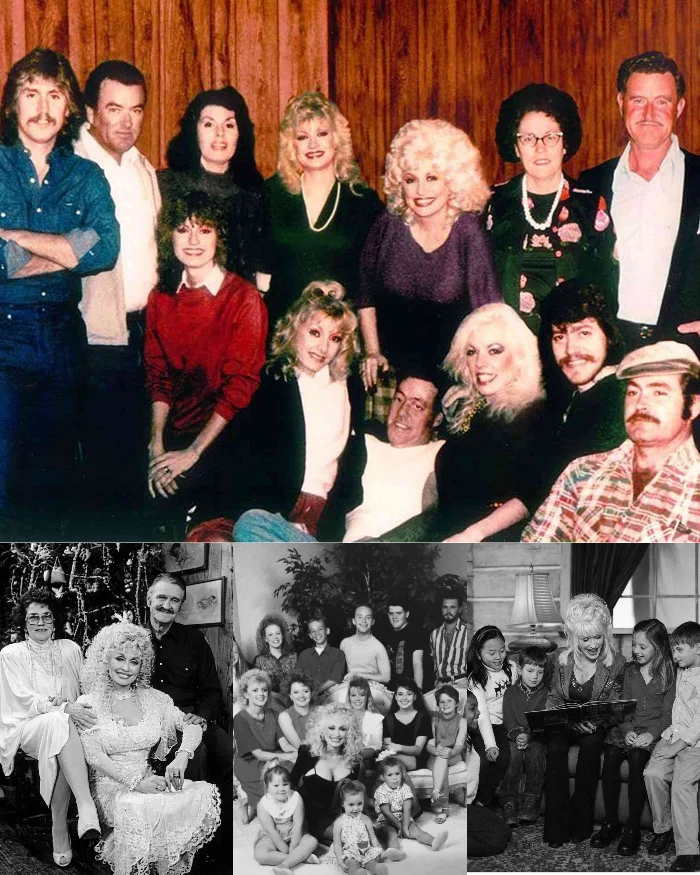
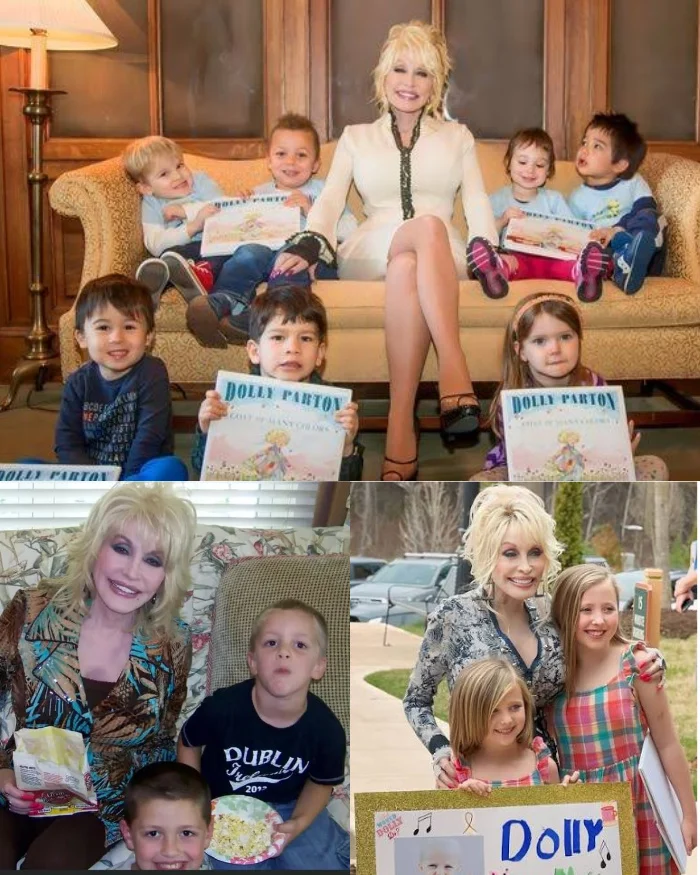
Long before the world knew her as a global philanthropist, Dolly Parton built a private safety net for her parents and eleven siblings. She remembered a cramped two-room cabin in the Great Smoky Mountains where winter cold pressed against twelve hungry children and no electricity or running water softened the struggle.
Her father, Robert Lee Parton, worked the soil with calloused hands even though he could not read or write. Her mother, Avie Lee, stretched scraps of cloth and cornmeal to keep the household alive. Those images did not create bitterness. They created a vow.
The cycle of poverty would end with her generation
When Nashville opened her future in the late 1960s, the earliest royalties did not chase luxury. They cleared debts, bought her parents a comfortable home in Sevierville, and made sure the kitchen table would not face another lean winter.
That first act of care grew into a permanent family infrastructure. Dolly and her husband, Carl Dean, made Willow Lake Farm a sanctuary for younger brothers and sisters. Away from cameras and marquees, she became Aunt Granny while he became Uncle C.
As nieces and nephews multiplied into dozens, she understood that occasional help could not defeat a whole history of scarcity. She began treating poverty as a practical barrier requiring patient, long-term strategy.
She quietly took over college tuition, vocational training, and textbooks for relatives who chose education. Watching them cross graduation stages marked a hard break from a childhood where farm work often ended schooling early.
When she partnered with the Herschend family in 1986 to transform a local theme park into Dollywood, she wove her roots into the business. She insisted on hiring local workers and offering stable, dignified jobs with healthcare benefits, including siblings and relatives who performed or managed operations.
She also served as a confidential family investor. She supplied startup capital to relatives launching small businesses and let them retain total autonomy without public fanfare. Checks were written with care, and emergency funds were kept hidden so medical crises or sudden hardships could be settled through trusted channels without shame and without making anyone feel like a burden.
Her wealth offered shelter rather than condescension
Every private payment carried the memory of her parents laboring to feed twelve children. The quiet pride of her father shaped the way she gave, because she remembered how hard her parents had worked to maintain self-respect in the face of destitution. A fortune meant little if the people who shared her earliest struggles could not share the peace of her success.
Her multimillion-dollar entertainment empire remains one of the most remarkable independent empires in American cultural history. Yet for her bloodline, the real record appears in diplomas on living room walls, mortgages quietly settled, and the absence of the daily dread that once shadowed their elders.
She successfully rewrote her family’s trajectory, though the complete list of tuitions, medical bills, and local businesses she backed remains a private ledger she never intends to publish. That ledger tells a deeper story than gold records and arena spotlights. Dolly Parton took the fortune earned by her voice and built a fortress around the people who knew her before the world did.