
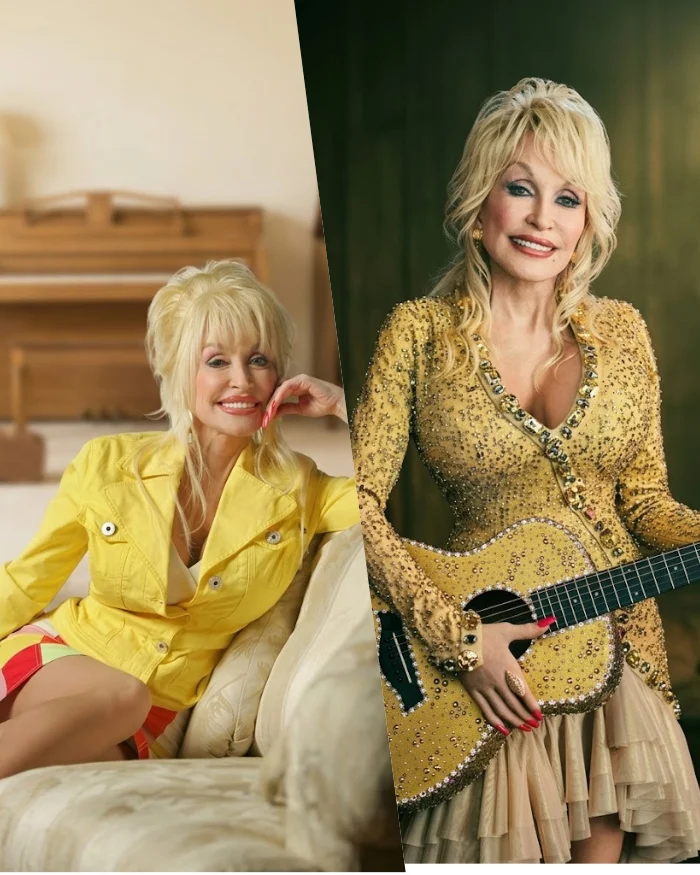
When Whitney Houston’s voice turned a tender country farewell into one of the most powerful pop ballads ever recorded, the royalties could have simply flowed into private wealth. Dolly Parton instead chose a quieter and more human tribute.
In February 2012, the music world was shaken when Houston died suddenly at forty-eight. Years earlier, her soaring version of “I Will Always Love You” had spent fourteen weeks at the top of the Billboard Hot 100 after being featured on The Bodyguard soundtrack. The recording became a global landmark, and it also created millions of dollars in songwriting income for Parton.
Parton had written the song in 1973 as an emotional goodbye to Porter Wagoner, the mentor and collaborator who had shaped her early career. She retained ownership of the composition, so Houston’s monumental success placed an extraordinary financial gift in her hands.
Rather than treat that money as a personal windfall, Parton began thinking about how it could serve people. She quietly invested a substantial share of the royalties in a neighborhood strip mall and commercial property in Nashville’s 12 South district, a place with deep roots in the city’s Black history.
The choice carried meaning beyond bricks and storefronts. Parton wanted the song’s earnings to support local residents and small business owners, giving dependable space to offices, shops, and everyday community services.
Because Houston’s voice carried the song across the world, Parton believed the money could carry something lasting back into the community.
She managed the property through local business entities, keeping the center accessible and grounded instead of chasing luxury development or outside speculation. As 12 South changed around it, the buildings remained a stable anchor for longtime residents, independent storefronts, and creative work.
For years, Parton kept the details private. She did not want the investment to become a promotional platform. It was only in a later interview that she spoke openly about the strip mall, explaining that Houston’s vocal gift felt like a reason to place the income in a neighborhood connected to the cultural roots that had shaped the song.
The gesture fit Parton’s wider pattern of giving, from literacy work to disaster relief across Tennessee. Yet this project felt personal, linking two women from different musical traditions through respect, gratitude, and practical care.
Today, the recording still echoes across the world. In a corner of South Nashville, the same success stands as a daily reminder that a song can become more than fame, becoming a quiet foundation for community dignity.