
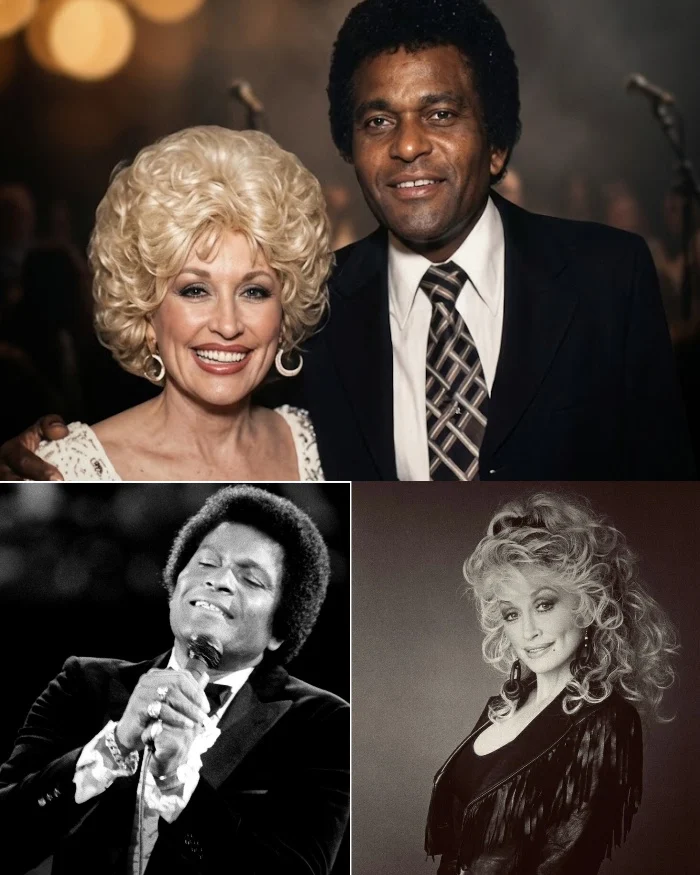
The stage was ready, the crowd was waiting, and the money was on the table. Dolly Parton looked at the ropes dividing the room and made a choice that could have ended the night early. She would not perform while Black and white audiences were kept apart.
Take down the ropes or I will not sing.
In the late 1960s, Dolly Parton was an ambitious young songwriter and performer still building her name across the South. She traveled by car and tour bus through regional concert halls, dance barns, and state fairgrounds where physical barriers and designated seating sections separated Black and white patrons. Before she would step onto those stages, she set a clear condition. The ropes had to come down.
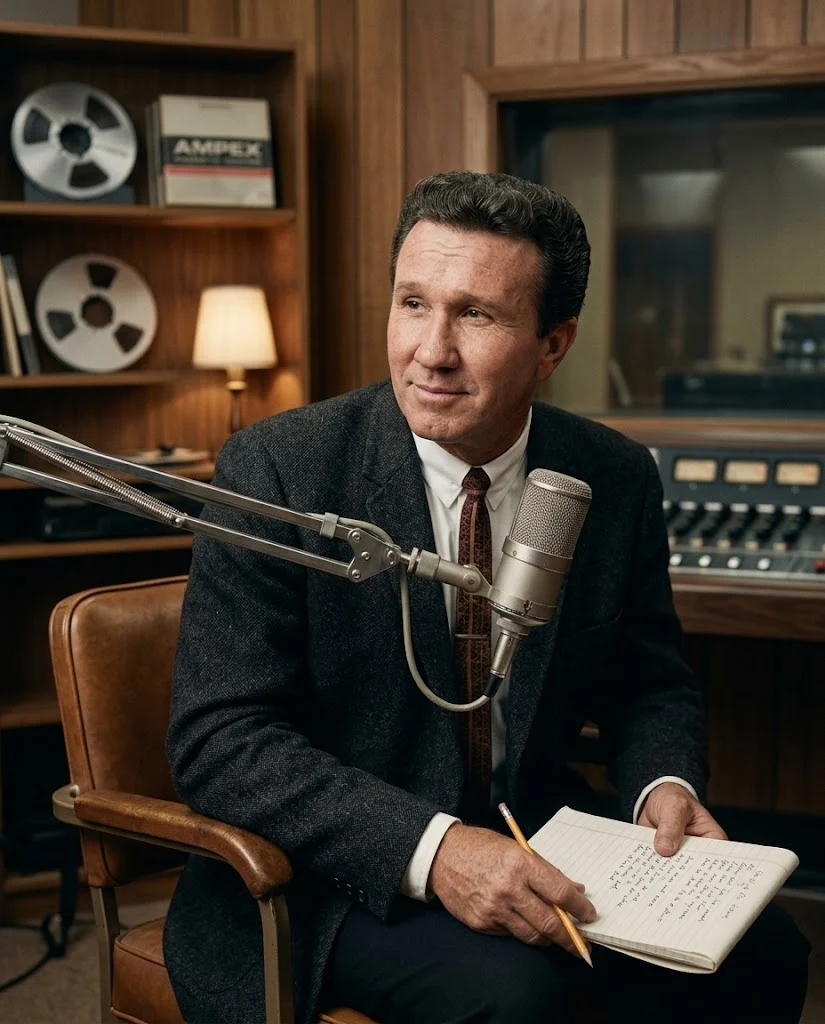
During the early years of the Porter Wagoner Road Show, when she performed dozens of dates each month, Dolly told local venue operators and promoters that segregated floor plans had no place at her concerts. When club managers hesitated or refused to change their seating, she walked away from lucrative performance guarantees. She chose integrity over easy road revenue.
On Grand Ole Opry showcases and multi-artist bills, Dolly stood side by side with Charley Pride, country music’s first major Black superstar. Some regional promoters and industry peers hesitated to share billing or interact freely under the house lights. Dolly greeted Pride warmly backstage, shared center stage during ensemble finales, and introduced him with genuine enthusiasm.
Behind the scenes, the principles governing her road company were equally direct. Dolly required equal accommodations, pay equity, and uniform respect for every member of her touring outfit. Tour logs, scheduling ledgers, and memories from road musicians document how she insisted that Black and white drivers, instrument technicians, and stagehands share the same dressing rooms, dining spaces, and bus quarters. She shielded them from hostile local ordinances between tour stops.
The roots of that refusal reached back to a one-room cabin in Locust Ridge, East Tennessee. As one of twelve children raised in rural poverty in the Great Smoky Mountains, Dolly knew the sting of being judged by economic status and social origin. That mountain upbringing instilled a lifelong belief that human dignity should never depend on background, race, or circumstance.
As her career expanded through the 1970s and 1980s, those early touring decisions set a cultural tone that influenced a generation of country performers. The standard she established in dusty southern auditoriums gradually dismantled outdated practices and proved that authentic country music belonged to every listener regardless of color.
Across seven decades in entertainment, Dolly Parton earned worldwide acclaim through chart-topping records, landmark songwriting, and global philanthropy like the Imagination Library. Yet beneath the bright lights and rhinestone gowns, her legacy was quietly built on firm choices made on small southern stages before the world knew how powerful her voice would become. The private venue negotiations from those early road tours, along with touring logs and backstage memories from the artists who traveled with her, remain the earliest blueprint for the kindness she carried throughout her life.