
Under the stadium lights she sparkles for millions, but the most powerful thing Dolly Parton ever did happened far from any stage and without applause. It happened quietly, check by check and promise by promise, until the poverty that once defined her family became only a story she sings about, not a life her relatives still live.
She grew up as the fourth of twelve children in a rustic one-room cabin in the Smoky Mountains of East Tennessee, where Appalachian sharecropping shaped her world long before she ever held a microphone. Her father Robert Lee had so little cash when she arrived that he paid the doctor who delivered her with a bag of cornmeal.
The winters in Locust Ridge were harsh and keeping fourteen people fed, clothed and sheltered under one small roof demanded relentless labor. Her parents worked tirelessly just to keep shoes on their children’s feet, and from their struggle young Dolly absorbed a truth that would guide her for life.
A lack of money was never a lack of character.
The morning after her high school graduation in 1964, she boarded a bus for Nashville carrying a cardboard suitcase and a silent, unwritten vow. If she could break through the heavy doors of the country music industry, the next generation of Partons would never have to feel the hollow hunger that had marked her own childhood.
As her songwriting catalog grew and the royalty checks began to arrive, she did more than build a personal empire of record labels and theme parks. She carefully built an unconditional financial shield around her extended family, one that would hold for decades.
She refused to offer empty charity. Instead she gave relatives the startup capital they needed to stand on their own, and with her quiet backing siblings and cousins opened family restaurants, launched independent art projects and built specialized woodworking shops across East Tennessee. She gave them the resources to work for themselves with pride.
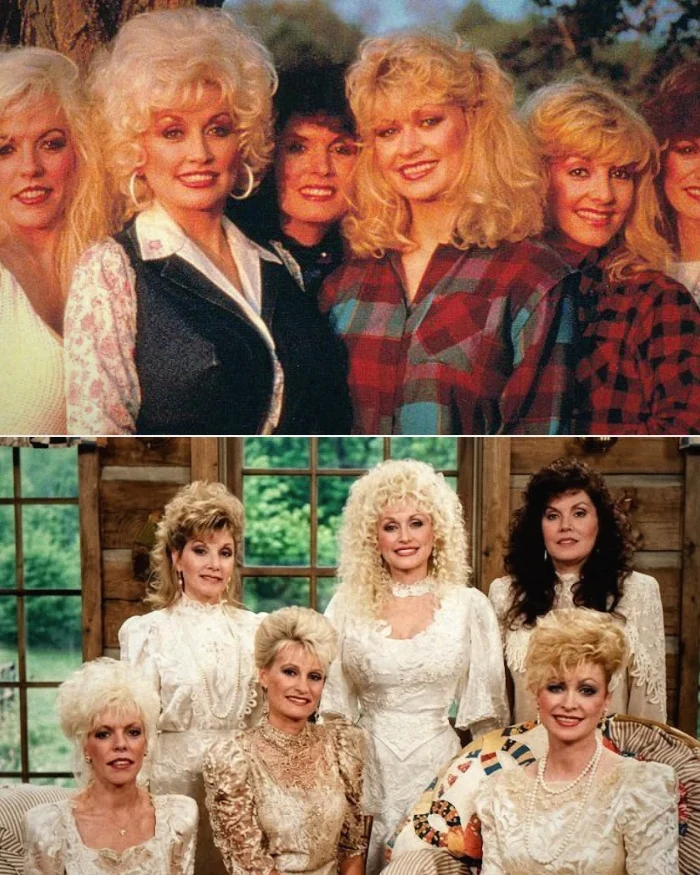
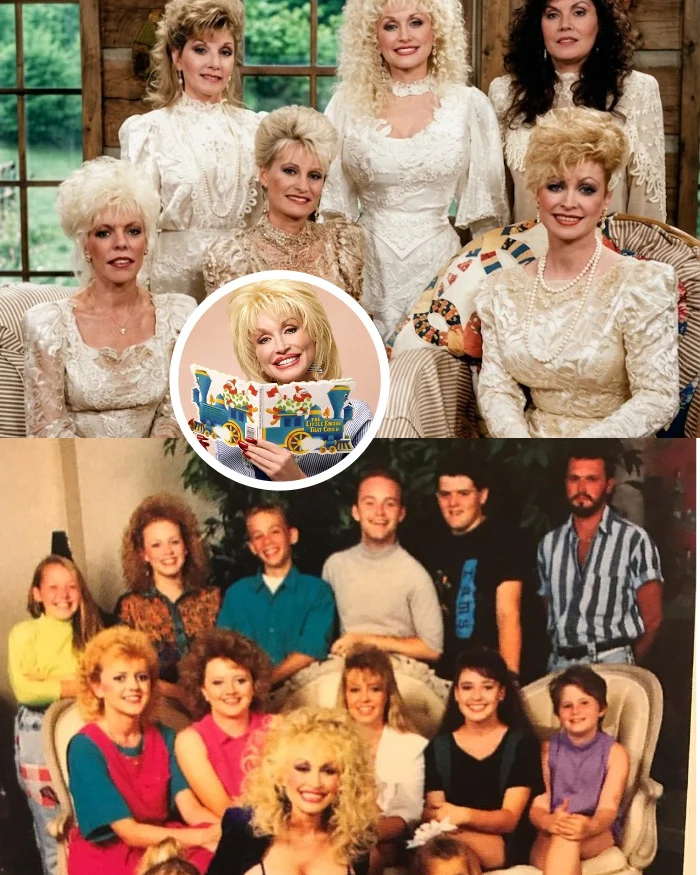
Because she and her husband Carl Dean never had children of their own, Parton embraced her nieces and nephews as her own and stepped into the role of family matriarch. She quietly funded college tuition for dozens of young relatives, and those behind-closed-doors checks allowed a new generation to step into adulthood with degrees in education, business and law, without the crushing burden of student debt.
Her niece-babies and nephew-babies.
For relatives who wanted to stay close to her musical roots, she created steady, well-paying careers inside her own companies. When she opened Dollywood in 1986, it was far more than a commercial venture. It became a direct employment pipeline for her family, and her late brother Randy along with other siblings found a long-term artistic home performing and working at the park, grounding the massive Pigeon Forge attraction in authentic family history.
Beyond education and enterprise, she became a quiet safety net when life turned fragile. Whenever unexpected health crises struck within the expansive Parton clan, she discreetly covered hospital bills, lifting the devastating weight of medical emergencies before it could overwhelm a household.
By removing the financial barriers that once trapped her parents, she gave her family members the freedom to design their own futures and the security to take risks that were never an option inside a one-room cabin.
Parton has written thousands of songs about the patched clothing and bare cupboards of her youth, turning her survival story into enduring American art. Because of her choices, however, those songs are now history for those who share her last name, rather than a continuing reality.
A college diploma held by a niece or a thriving local business run by a nephew carries far more weight for her than any platinum record or industry accolade.
The woman the public sees wrapped in rhinestones used her voice to conquer the world, but she used the quiet power behind that voice to permanently rewrite the ending of her family’s story.