
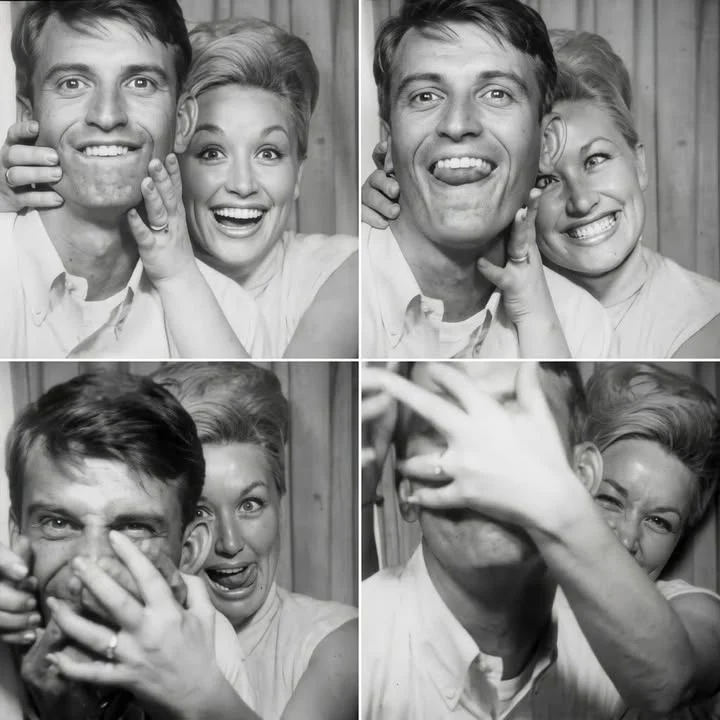
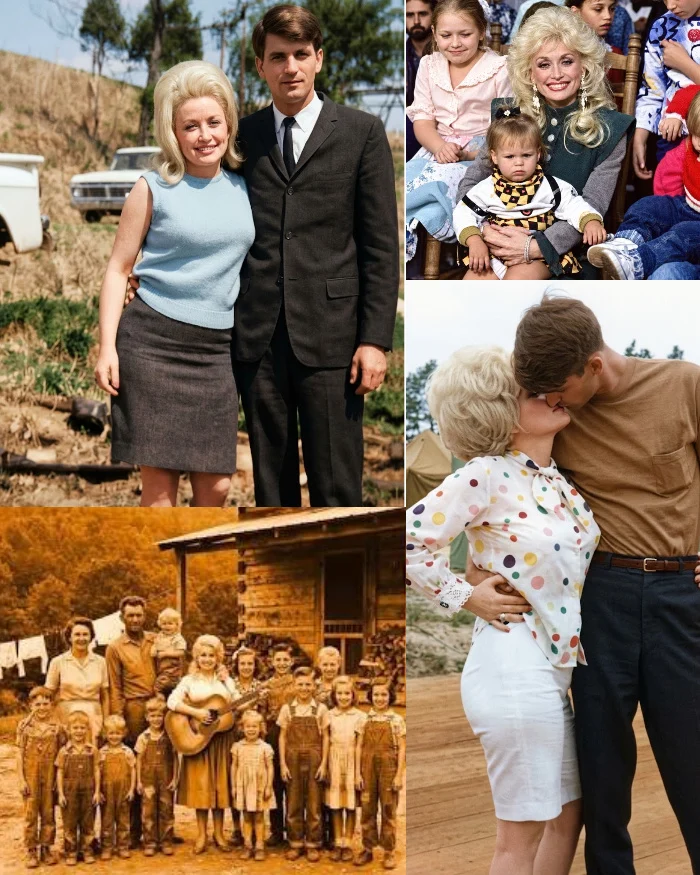
The quiet Brentwood home of Dolly Parton and Carl Dean became a place where children found school, safety, and steady love after health complications ended the possibility of biological children in the early 1980s.
Parton and Dean had weighed adoption after an emergency partial hysterectomy changed their family hopes. They imagined bringing an infant into a life shaped by touring, studio work, and public demands. Yet the couple looked around their home and saw a different calling already waiting.
Parton had grown up as one of twelve siblings in a one-room cabin in the Great Smoky Mountains. She spent her childhood nursing, feeding, and raising younger brothers and sisters beside her mother, Avie Lee. That maternal instinct moved with her to Nashville and never faded.
Instead of filing formal adoption papers, the couple opened their secluded estate to extended family. Sibling after sibling, niece after niece, and nephew after nephew came through the iron gates to study, search for work, or spend long summers away from the mountains.
Younger relatives such as Randy and Rachel arrived first, needing a reliable place while finding their footing in middle Tennessee. Later generations followed in continuous shifts, finishing high school in Williamson County, attending local colleges, or seeking their first steady employment.
Parton covered tuitions, cooked family meals, paid dental bills, bought dependable used cars, and helped relatives facing medical costs without insurance. When nieces felt homesick or unsure, they sat at her dressing table while she brushed their hair and listened.
Carl, who ran an asphalt-paving company and avoided public appearances, gave the children a grounded sense of normalcy. He taught nephews to drive tractors, maintain farm equipment, and prepare work clothes before sunrise.
The house kept no stiff formality. After film sets or arena tours, Parton would wash off stage makeup and head to the kitchen to fry cornbread and boil pots of chicken and dumplings. The children ran through hallways, swam in the pool, rode horses along the tree line, and slept on pull-out sofas during long summers.
To the rotating group of teenagers and toddlers, Carl became Uncle Peepaw, while Dolly was called Aunt Granny. Their names were not titles of distance but signs of belonging.
Years later, those nieces and nephews returned with their own babies for Sunday visits. Carl remained on the porch in his work boots while Parton held infants in her lap and sang the same mountain lullabies her mother had hummed over cold floorboards decades earlier.
Keeping their door open gave an entire family a home, filling the quiet rooms with the very laughter she once feared losing.
Parton has reflected that raising children of her own might have focused all her protective instincts into one small circle. Instead, her home became a sanctuary for many children, turning a private loss into a broad and enduring love.