
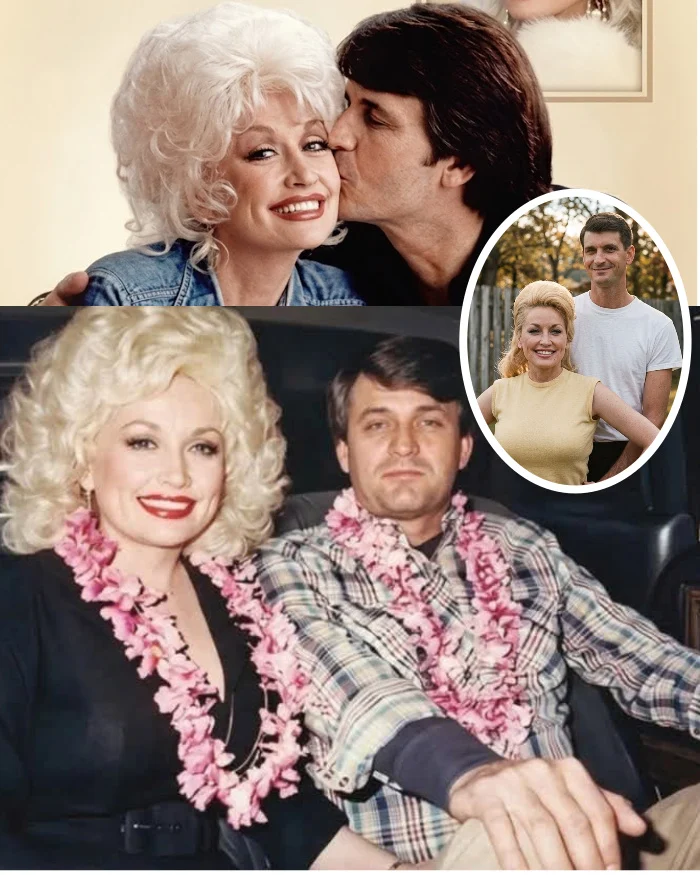
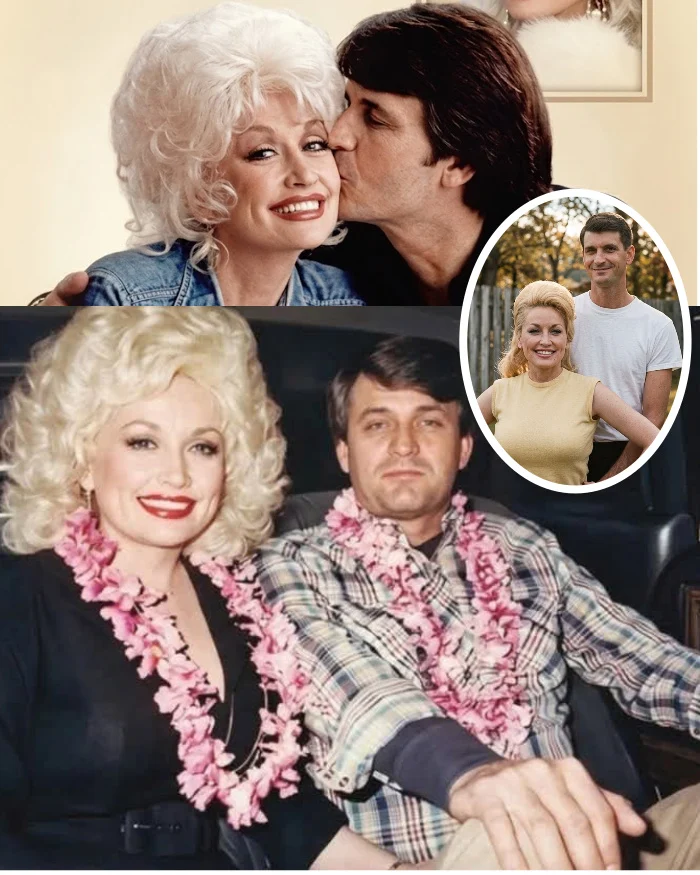
One quiet kitchen table conversation nearly changed a marriage forever.
Dolly Parton watched her husband Carl Dean begin lingering at their local Nashville bank. The visits felt too frequent for small errands. Behind the counter stood a tall red haired teller who seemed flattered by the attention.
Parton refused to stage a public scene. She sat across from Dean and spoke plainly. Her dry mountain humor carried a firm reminder of the vows they made when they married in 1966. Dean understood the hurt he had caused and stopped the visits, yet the insecurity stayed inside her like a small fire.
The missing spark came after a concert. An eight year old fan with bright auburn hair and green eyes asked for an autograph. Her name was Jolene. The syllables felt musical and unforgettable. Parton carried the name home and fused it with the ache of watching another woman capture her husband’s gaze.
With an acoustic guitar, she shaped fear into an urgent plea. She did not write from rage. She wrote from honesty, admitting the possibility of being replaced. The driving rhythm and minor key fingerpicking made the song feel raw and relentless.
In late 1973 she brought the song into RCA Studio B on Nashville’s Music Row. Producer Bob Ferguson and session players, including acoustic guitarist Chip Young, helped capture the master with striking precision.
“Please don’t take Jolene just because you can”
That same creative spell also gave Parton “I Will Always Love You,” a farewell to Porter Wagoner. She reportedly wrote both songs during the same period and brought them into the same landmark recording run, turning private vulnerability and professional independence into art.
Released in October 1973 as the lead single from her thirteenth solo studio album, “Jolene” climbed to No. 1 on the country charts by February 1974 and earned two Grammy nominations. It crossed into international pop, inspired hundreds of covers across genres, and expanded what a woman songwriter in Nashville could be remembered for.
Decades later, the bank teller faded from the story. Parton and Dean could laugh when the opening acoustic notes came through the radio during rural weekend drives. What began as insecurity became a lasting monument to an artist who turned raw human truth into a timeless classic.