
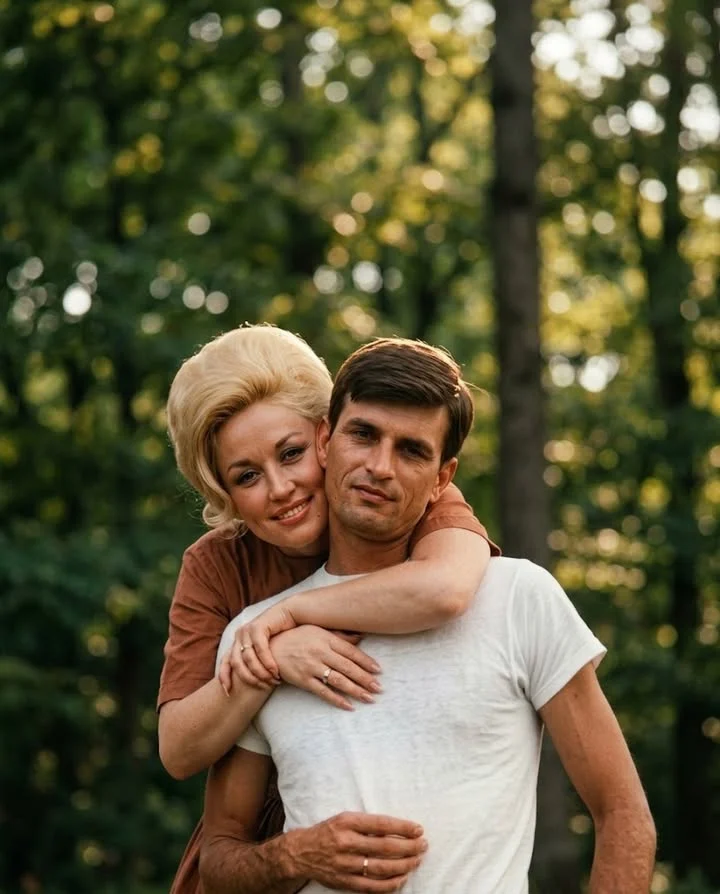
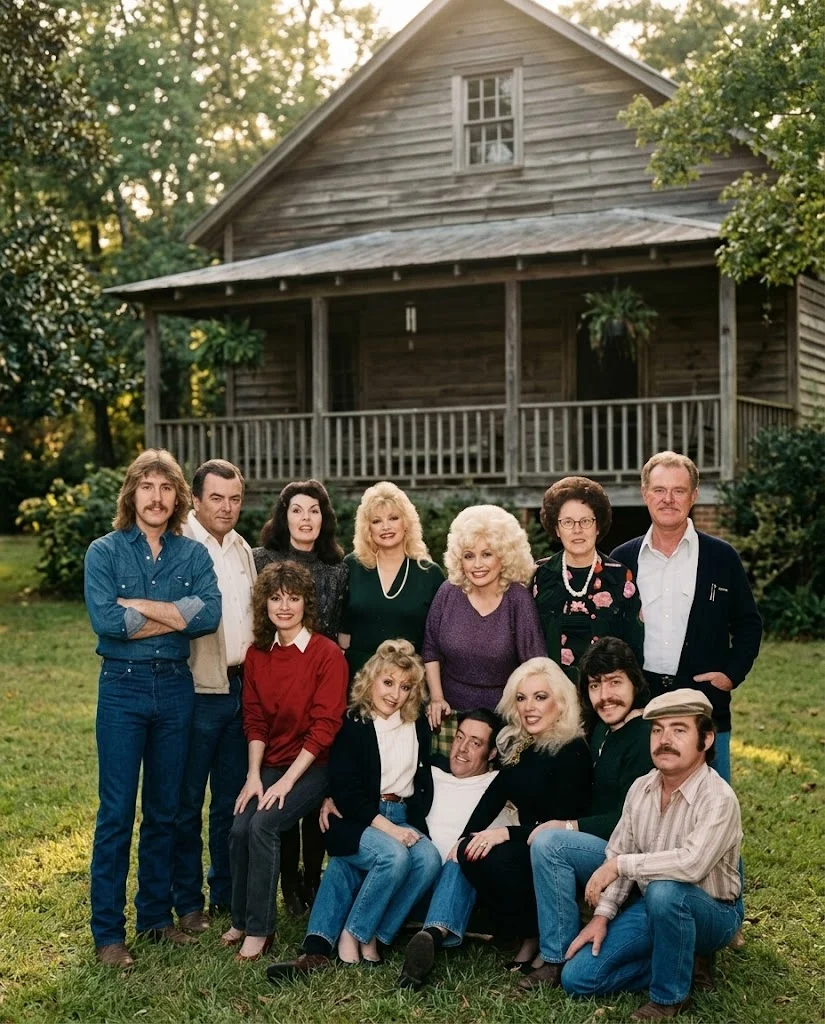
On a Nashville recording day that would echo through country music for decades, Dolly Parton placed her deepest private fear into a song and changed the sound of heartbreak.
She did not write a fantasy. She wrote the trembling truth of a wife who believed the quiet life she had built might be taken from her.
Please don’t take him just because you can
Those words became the emotional center of Jolene, one of the most enduring country recordings ever made. The song arrived in late 1973 and raced to the top of the Billboard country charts. It later became a cultural touchstone, covered by hundreds of artists across genres and generations.
Yet the most astonishing fact about its birth is not the chart success. It is the speed and vulnerability behind the writing. Parton composed Jolene and I Will Always Love You on the exact same day. One song became a farewell to her professional mentor Porter Wagoner. The other became a confession about the man she loved at home, Carl Thomas Dean.
Dean stayed outside the glare of celebrity. He ran an asphalt paving business, famously avoided her concerts, and helped Parton hold a normal life while the music business pulled her forward. Early in their marriage, she discovered a red-headed bank teller had developed a crush on him. The feeling was small, private, and unsettling. It touched the part of her that had worked hard to build safety.
Instead of hiding the fear, she opened her notebook. She turned jealousy into a plea. She made the other woman a character, not a villain, and asked her not to destroy what had been built.
The name did not come from the teller. It came from a little girl with bright red hair, pale skin, and striking green eyes who met Parton in an autograph line. When the child said her name was Jolene, Parton repeated it again and again so she would not forget. The name became the lyrical key that unlocked the song.
On May 22, 1973, Parton entered RCA Studio B in Nashville to record the result. Producer Bob Ferguson shaped the session. Session guitarist Chip Young added a restless descending acoustic riff that felt like an anxious heartbeat. The tempo matched the desperation in the lyrics, and the song was captured in just a few takes.
The finished recording stripped away glamour and exposed insecurity. It asked for mercy from a stranger, admitted fear in public, and turned a quiet domestic moment into a country masterpiece.
Dean never left. The marriage survived the doubt and has lasted nearly six decades. The little girl walked away with a signed photo, unaware she had helped name a legend. Parton proved that her greatest power came from honesty, not armor.
From a bank visit and a child’s autograph request, a timeless song was born.