
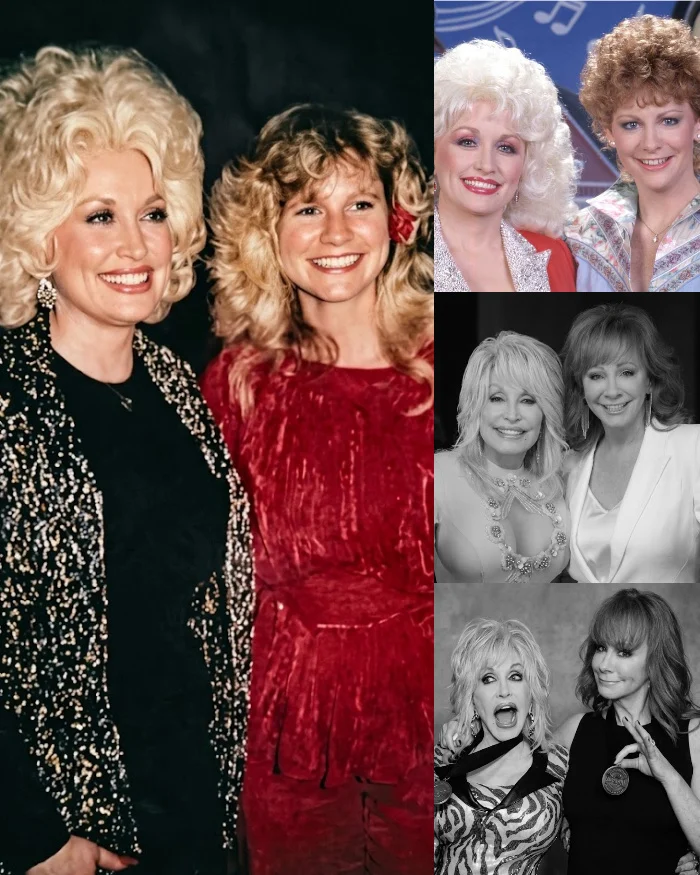
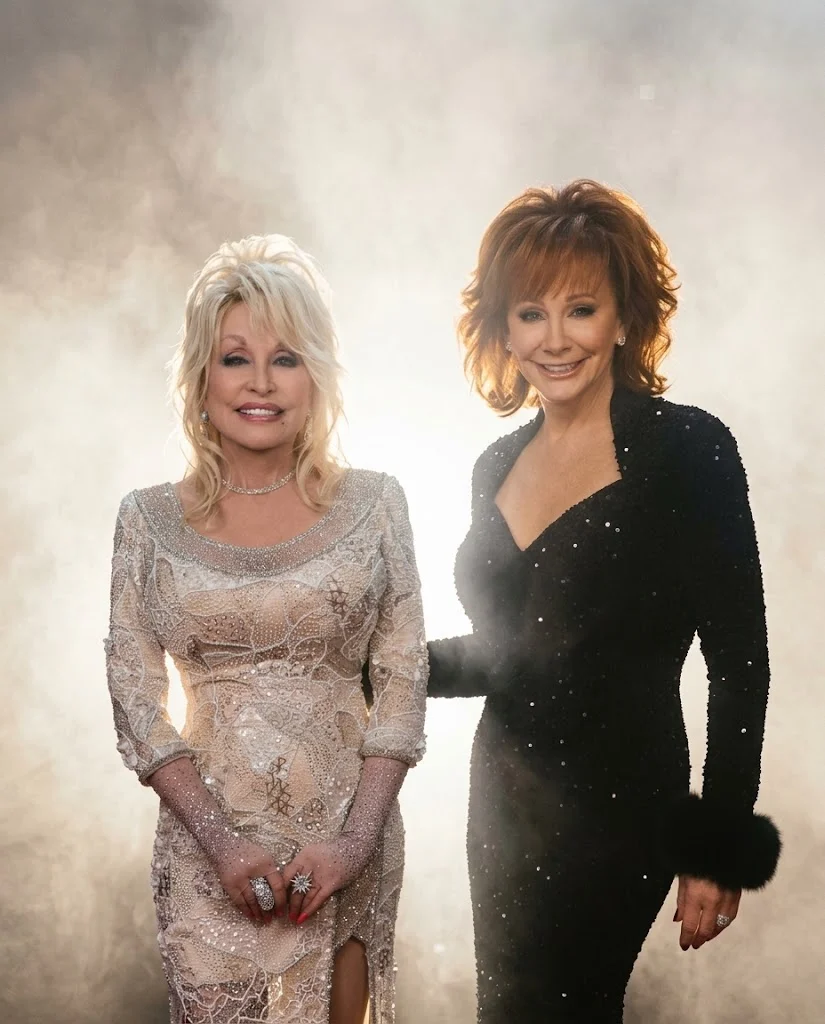
When Dolly Parton picked up the phone for Reba McEntire, a fragile television dream found unexpected strength. The call arrived in early 2002, and it helped turn doubt into momentum for a country music icon trying to prove she could carry a weekly sitcom.
Reba McEntire had already ruled country stages for decades. She had dozens of top-ten singles and sold-out arenas. Yet moving from stadium concerts to a multi-camera studio lot in Los Angeles felt like a leap into unknown territory. Her new series Reba had debuted on The WB in late 2001, and network executives watched the ratings with suspicion.
They wondered whether a traditional country music headliner could hold a prime-time audience on a youth-oriented broadcast network. The pressure was constant. Every weekly number mattered. Every review mattered. Every decision mattered.
Midway through the first season, the show needed a decisive boost. McEntire reached across the country, and Dolly Parton answered. Parton agreed to guest star in the first-season episode titled Reba’s First Date. She balanced her own packed national schedule and business ventures, then flew to California to help.
There was no lengthy contract fight. No demand for special billing. No appearance fee. Parton treated the week on the Warner Bros. lot as a favor to a longtime friend. She stepped into the role of an eccentric, quick-witted matchmaker named Dolly and brought a natural warmth that calmed the crew.
During table reads and staging run-throughs on the soundstage, the two veterans leaned into their shared Southern roots. They adjusted line deliveries and traded unscripted comedic beats before filming began in front of the live studio audience. The scenes grew tighter because the performers trusted each other.
On shoot night, the chemistry became effortless. When the episode aired in February 2002 during the critical sweeps period, millions of viewers tuned in across the country. The broadcast climbed to one of the highest ratings marks in the entire six-season run of the show.
The ratings surge reassured network executives and cemented McEntire’s transition into mainstream television acting.
The immediate boost helped secure multi-season renewals. The series remained on the air for six successful seasons and more than one hundred episodes. For McEntire, the collaboration opened doors beyond country music and gave her a lasting place in Hollywood comedy.
For Parton, the moment reflected a deeper Nashville tradition. Artists have often protected one another far from home. She gave a younger peer practical support when the stakes were highest. She used star power not to promote herself, but to stand shoulder to shoulder with a friend carving a new path.
Long after the cameras stopped rolling, the episode remained an indelible high point of early 2000s television. Reba McEntire proved she could command an audience anywhere she stood. The turning point came when a trusted friend showed up and made the risk feel survivable.