
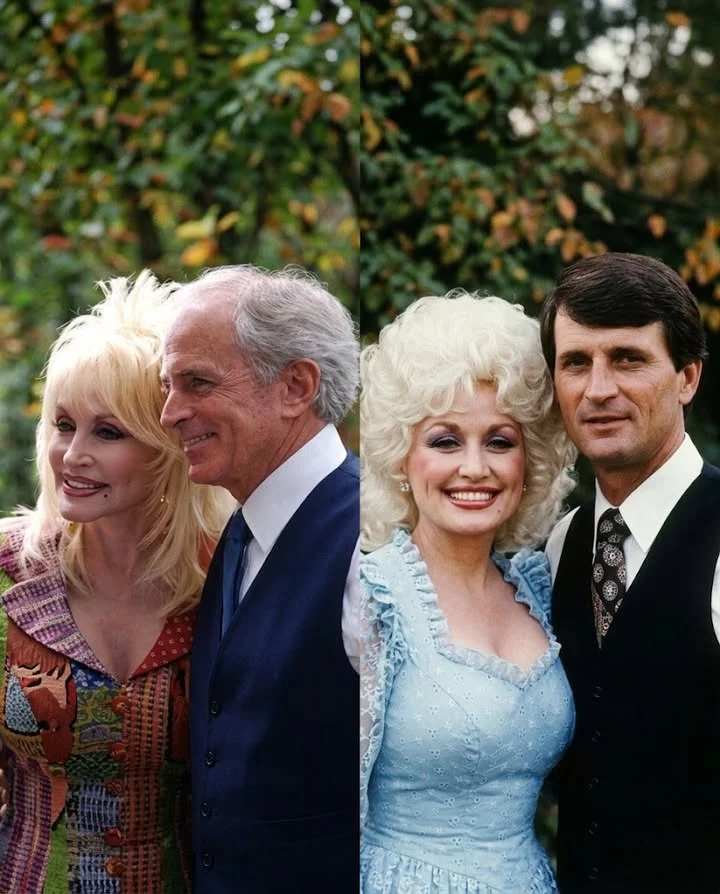
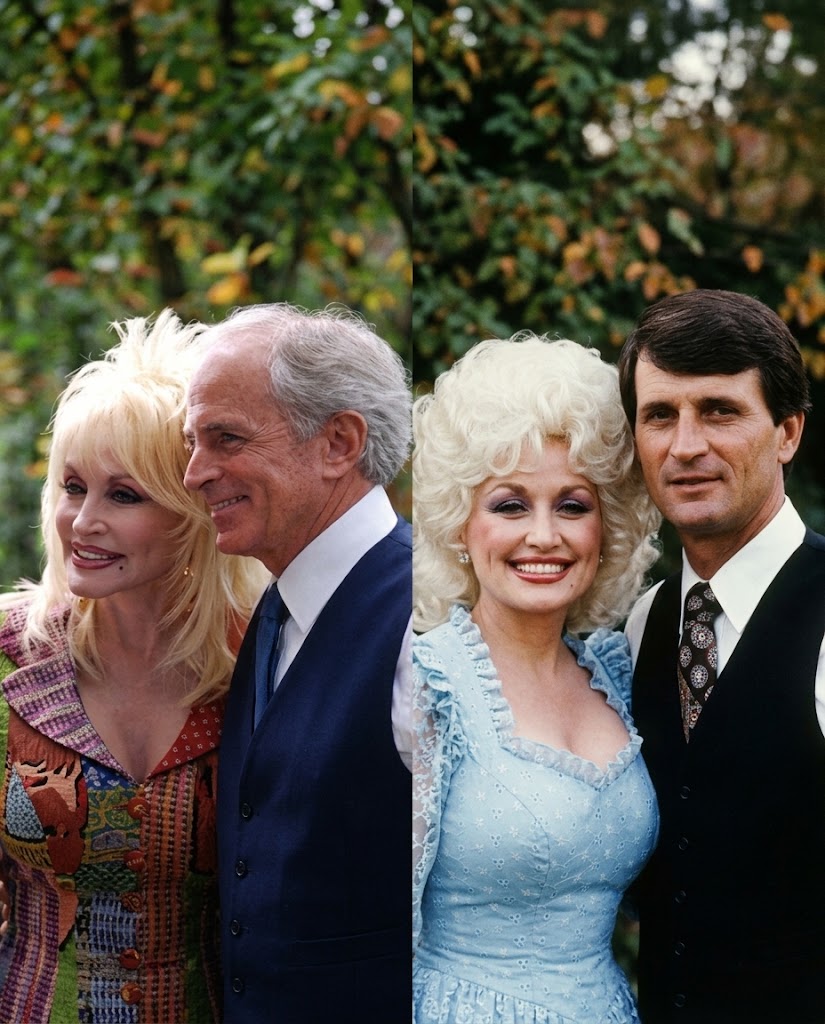
Thousands of fans carried the words Dolly Parton could not sing.
The Dollywood stage turned into a shared shelter after the death of Carl Thomas Dean, her husband of 59 years.
On March 3, 2025, Dean died in Nashville at age 82. For almost six decades, he stood beside the country icon without needing the spotlight.
They met outside a Nashville laundromat in 1964 when she was an eighteen-year-old hopeful. They married two years later in a quiet Georgia ceremony.
While she built a global music empire, he ran an asphalt-paving business and deliberately avoided red carpets.
He gave her a steady normal reality after exhausting tours. That quiet devotion made his loss unbearable.
Shortly after his private funeral, Parton chose to return to the Dollywood stage. The decision came from survival, not tour contracts or commercial pressure. She needed a space large enough to hold her grief.
When she stepped under the lights, the crowd did not roar in its usual way. A heavy respectful silence filled the venue.
Parton, known for rhinestone armor and flawless presentation, let the cracks show. Her voice wavered before the microphone.
They sang the words she could not finish
The audience reversed a lifelong dynamic. The fans became her foundation and offered a massive collective embrace.
She closed her eyes and let the sound wash over her. It was a public surrender to profoundly private pain.
Tears ruined her stage makeup and revealed a woman who had lost her quietest most crucial supporter. She stood alone in the loud center of her empire.
The crowd gave her strength to finish the set and held back the silence waiting for her offstage.
The hardest moment came during the quiet ride back to an empty house. For nearly sixty years, that home had been the sanctuary Dean fiercely protected from the music industry.
Without him, the stillness was undeniable.
Parton turned to the studio to process the absence. She finalized a deeply personal recording titled “If You Hadn’t Been There”.
Released on March 7, just days after losing him, the song served as her direct public thank-you to the man who made her career possible.
Rather than using heavy commercial production, the ballad stayed stripped down and pure.
She explained that her massive dreams were realized because he always held her hand and provided a safe haven. Her vocal delivery honored the truth that her success depended on his quiet devotion.
She dedicated the release to him and told fans he would always be the star of her life story.
Her return to Dollywood proved she could still command a stage while grieving. The audience held her up when the lights were on.
The studio recording proved that Carl Dean still anchored her when the lights went out.