
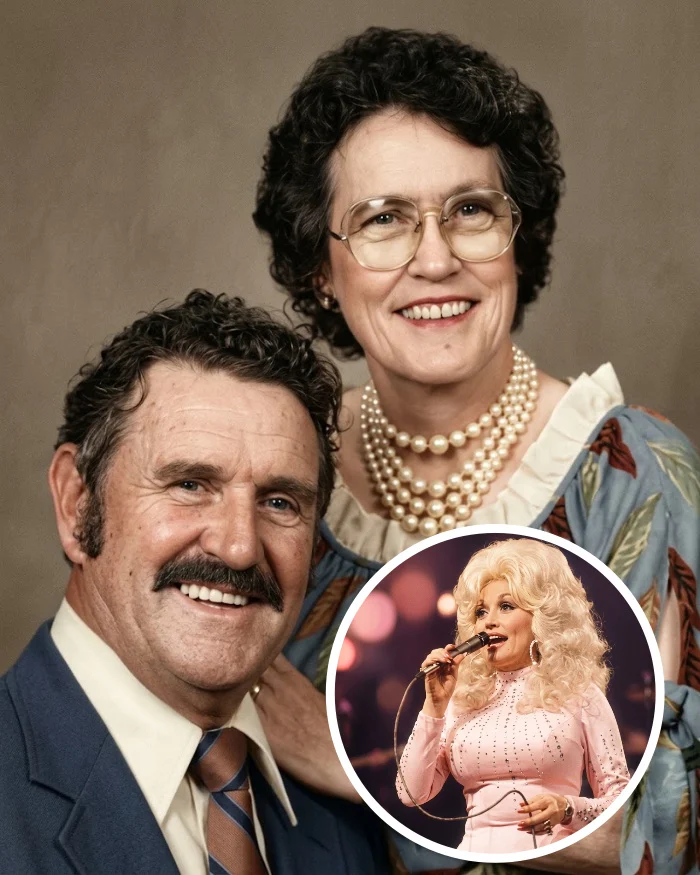
A small Tennessee cabin became a makeshift operating room when Avie Lee Parton faced a wound that could have stolen her daughter’s ability to walk. The needle was not surgical. The thread was not sterile. The mother’s hands were steady because there was no other choice.
Dolly Parton was still a child in Locust Ridge when a game ended in terror. She jumped over a fence and landed on a broken mason jar hidden in the dirt. The glass cut deep and left three of her toes severely injured and nearly severed. With eleven siblings, a family of fourteen, and a one-room home, professional medical care was completely out of reach. The danger felt immediate and merciless.
In that holler, infection could become a death sentence. Avie Lee used Appalachian survival methods. She poured kerosene directly onto the injury to clean it. Then she used the exact same needle and household sewing thread she used to mend the family’s worn-out clothes. She stitched Dolly’s toes back into place. A handful of cheap cornmeal was applied to help the healing process. Dolly endured the entire procedure awake.
That harsh kerosene scent and ordinary sewing thread became the only boundary between a life altering accident and the future she was meant to build
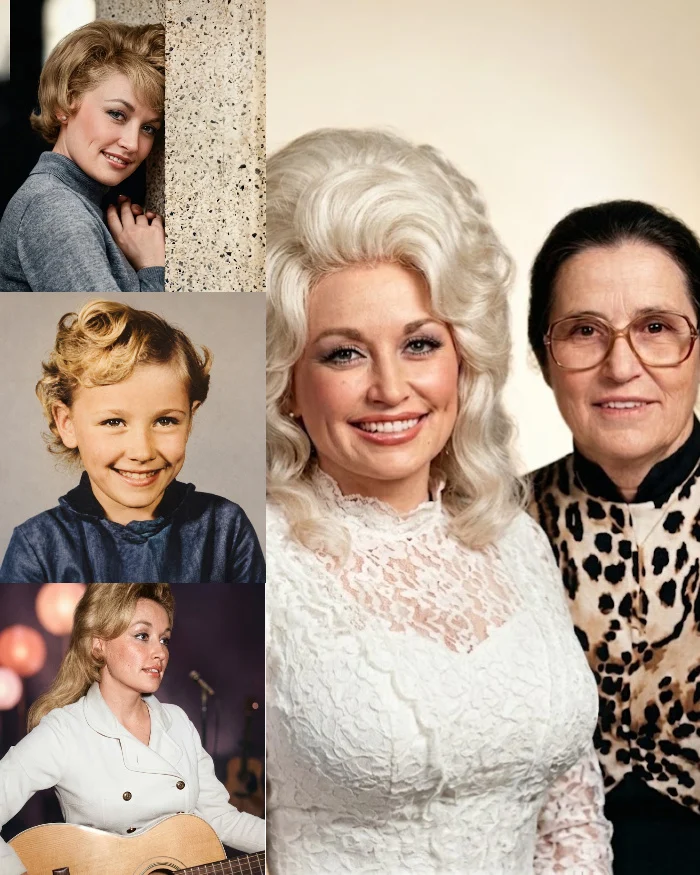
The wounds healed completely. Those repaired toes later carried her away from the extreme poverty of the Smoky Mountains and into music history. By age ten, Dolly was already singing on the Cas Walker Farm and Home Hour in Knoxville. Her uncle Bill Owens drove her to local stations. The day after she graduated from high school in 1964, she packed her few belongings and took a bus straight to Nashville.
She walked the streets of Music Row hungry and determined. She eventually earned a spot on The Porter Wagoner Show. She stepped onto the Ryman Auditorium stage and became an official member of the Grand Ole Opry in 1969. The contrast between the barefoot child bleeding in the dirt and the global icon draped in rhinestones became the defining narrative of her life.
Dolly never tried to hide where she came from. She turned the harsh realities of a dirt-poor upbringing into a legacy of storytelling that resonated across generations. The same woman who grew up without access to a basic bandage or painkiller would go on to build an entertainment empire and later donate millions to help fund global medical research. She never forgot what it meant to survive on nothing but faith and a mother’s steady hand.
The global superstar was forged in the quiet, desperate reality of a Tennessee holler. Long before she wore the shoes of a country music legend, she had to fight just to walk.