
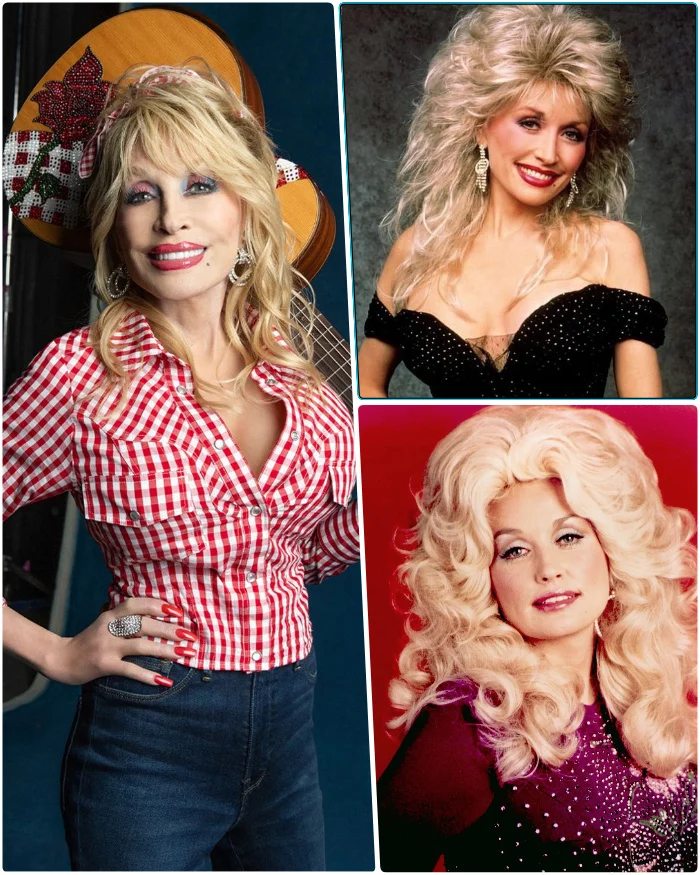
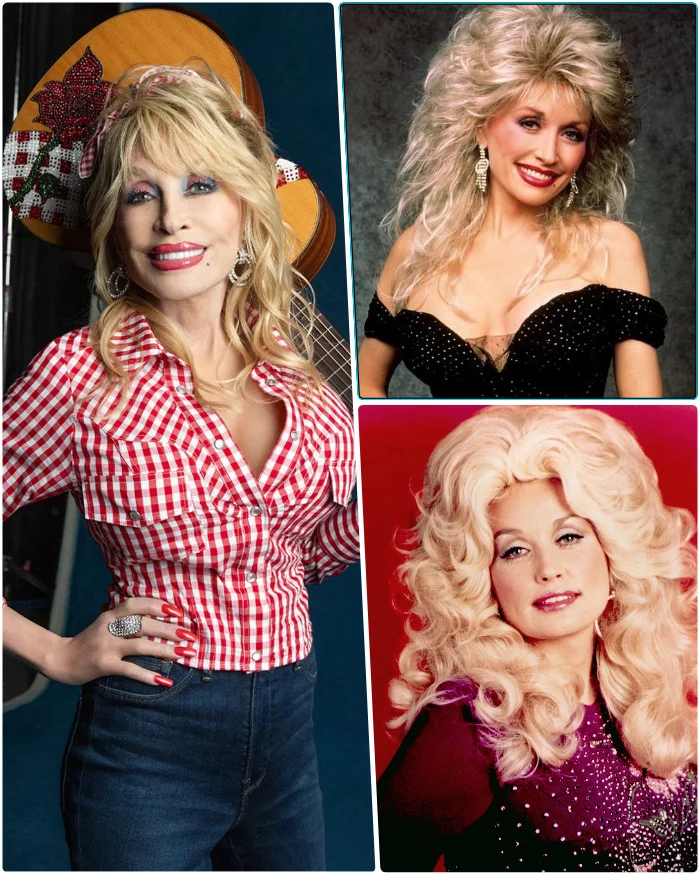
Dolly Parton’s most enduring empire began with a laundry basket outside a Nashville laundromat.
The summer of 1964 found an eighteen-year-old songwriter fresh from Sevierville Tennessee doing her first load of clothes on 16th Avenue South. A young man named Carl Dean slowed his white 1964 Chevrolet and worried aloud that the heat might burn her skin. That ordinary moment became the seed of a marriage that would outlast fame.
When Monument Records signed her, label founder Fred Foster pressed her to postpone marriage for a year so she could be marketed as a single star. Instead, Dolly and Carl chose loyalty over strategy.
On Memorial Day, May 30, 1966, they crossed into Ringgold Georgia and married in a quiet Baptist parsonage. The witnesses were a pastor, his wife, and Dolly’s mother Avie Lee. Dolly wore a simple white dress her mother made, and the couple returned to Nashville almost at once so her career could continue.
That private vow became the boundary protecting their life together. While Dolly became a global icon with towering wigs and glittering outfits, Carl ran an asphalt-paving business and stayed away from red carpets.
After one early industry banquet, Carl told Dolly he loved her and would support her dreams but asked never to be pushed into the spotlight. She honored that request for decades.
He loved her long before the world knew her name.
Their greatest escapes were not luxury resorts but modest camper van trips through back roads and state parks. Picnic lunches in quiet places kept their marriage steady while the world chased the glitter.
In May 2016, they renewed their vows on their farm outside Nashville, marking fifty years of devotion. Dolly wore an elaborate bridal gown, but the heart of the celebration remained the same quiet promise made in Georgia.
Their wish to rest together in the Tennessee Smoky Mountains shows how they kept love simple. Fame belonged to the public, but their foundation stayed sacred and private.