
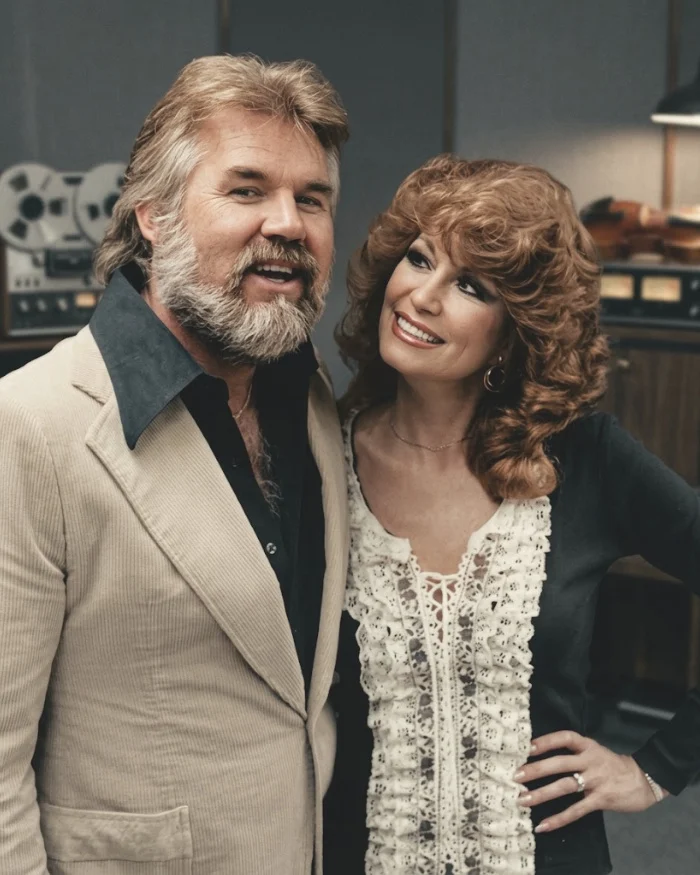
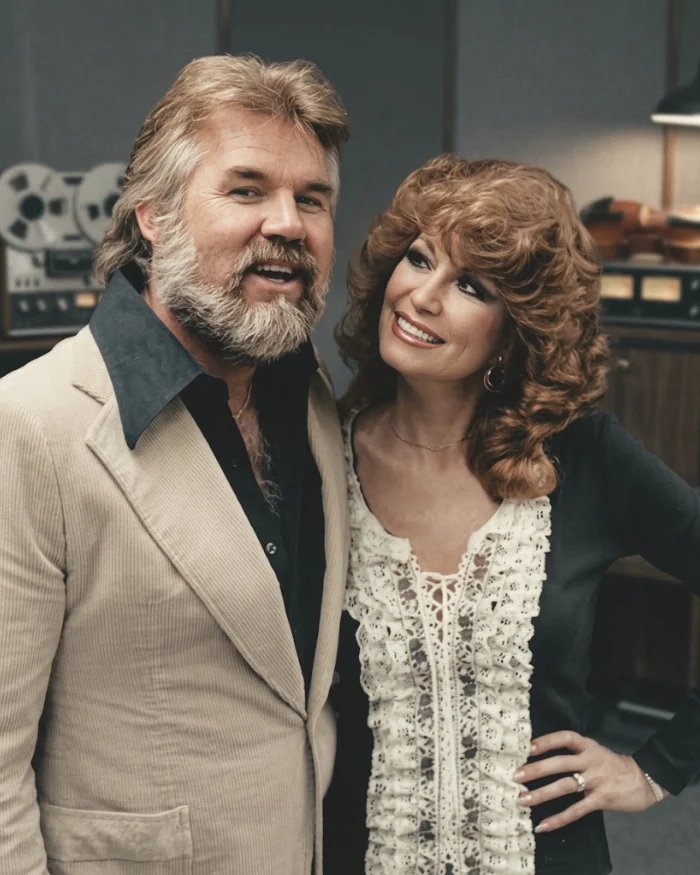
In the fall of 1977, Dottie West walked into a Nashville recording studio with no plan to change her life. She had only stopped to visit Kenny Rogers, who was making a new album for United Artists with producer Larry Butler. That brief hello became the spark behind a song that revived her career and reshaped country music.
West had spent the 1960s winning listeners with a voice that could ache and soar in the same breath. By the late 1970s, the industry had grown colder, and her traditional sound was no longer producing the steady hits she had once known. She needed a fresh door to open.
Butler heard the door in the room. He noticed the contrast between Rogers’s grounded baritone and West’s luminous soprano and asked them to step into the vocal booth for a test. The song was “Every Time Two Fools Collide”. From the first note, the pairing felt fated rather than manufactured.
Two voices found the heartbreak in each other, and a simple studio visit became a lifeline.
The single rose to Number One on the Billboard Country chart in 1978. It lifted Rogers into even greater stardom, but for West it was rescue. United Artists quickly saw the commercial fire in the pairing and ordered a full duet album.
The album, also called “Every Time Two Fools Collide”, raced to Number One on the Top Country Albums chart and earned the pair the Country Music Association’s Vocal Duo of the Year award. The follow up “Anyone Who Isn’t Me Tonight” proved the chemistry was not a lucky accident.
Their partnership then moved from the studio to the stage. Rogers and West packed arenas across the country, and the tours changed how audiences saw West. She had once worn the conservative styling of a Grand Ole Opry veteran. Rogers encouraged her to embrace the visual demands of a crossover era, and she answered with dazzling Bob Mackie gowns and bold spandex.
The woman known for understated Nashville elegance became a glamorous, commanding presence in massive venues. The change was not vanity. It was survival, reinvention, and confidence.
Their relentless schedule led to another studio success. In 1979, the duo released “Classics”, which produced the huge hit “All I Ever Need Is You” and brought them the CMA Vocal Duo of the Year award again. They had become a unified act, appealing to country loyalists and pop listeners at the same time.
Through exhausting travel and intense industry pressure, Rogers remained a steady support. He believed in West’s talent when the business was ready to move past her, and he gave her the platform to reintroduce herself to a new generation.
The greatest second act began with the smallest hello.
The touring eventually eased as the 1980s progressed, yet the accidental duet had already done its work. It saved a struggling star from fading away. It forged a lasting friendship. It gave Dottie West a triumphant second life on the national stage.