
In 1974, Barbra Streisand walked into Elvis Presley’s dressing room at the International Hotel in Las Vegas and handed him a script that could have changed everything. She wanted him to play John Norman Howard, a broken rock star in her upcoming film A Star Is Born. For Elvis, who had spent years begging for a serious dramatic role, it felt like a dream finally within reach.
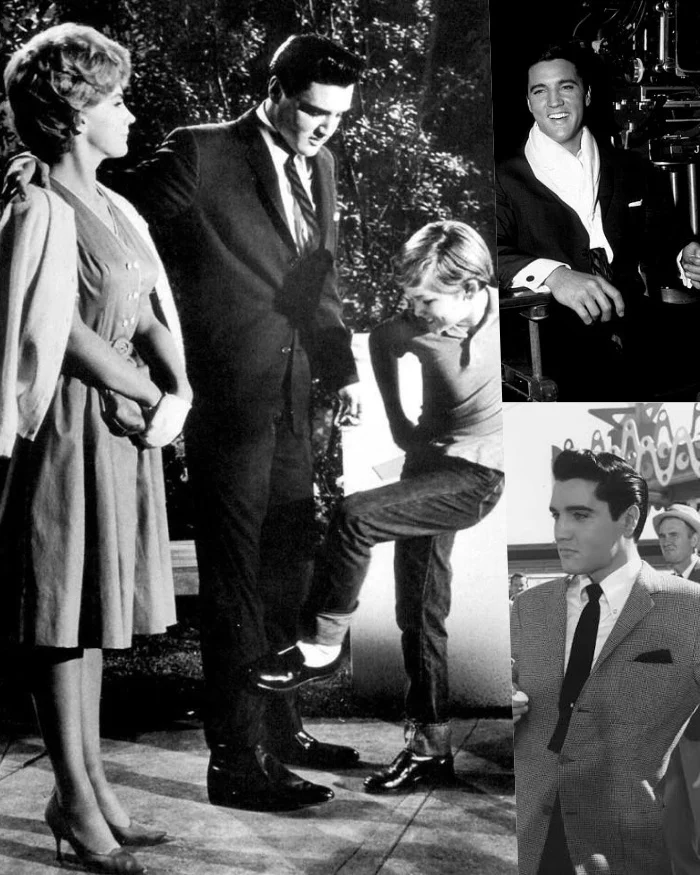
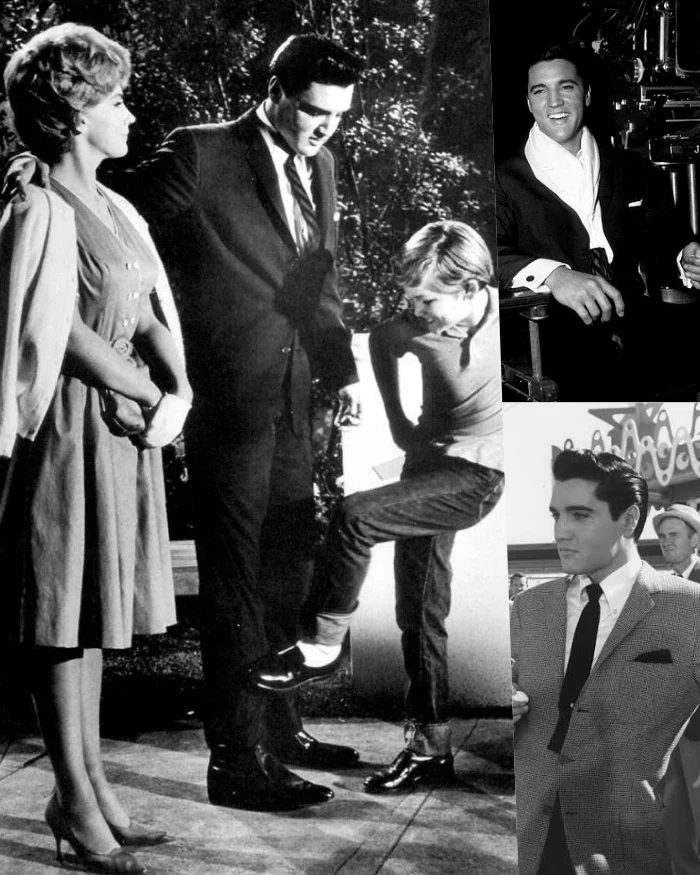
By that time, Elvis had made over thirty films, but his potential as a dramatic actor, first hinted at in King Creole in 1958, had been buried under a mountain of lightweight musical comedies. He was tired of the formulaic soundtracks and the exhausting Las Vegas residencies where he performed the same hits night after night. He wanted respect as an actor, not just a brand name.
Streisand bypassed traditional Hollywood channels because she believed only Elvis could bring the raw authenticity and lived-in weariness to the character.
I knew he had the charisma and the pain to make it real, she later recalled.
Elvis was immediately captivated by the script, seeing it as his gateway to serious cinema.
Friends and associates noted a newfound energy in his voice. He saw the role as a creative rebirth, a chance to prove he was more than a jumpsuited performer.
This is my moment to be seen as a real actor, he confided to those closest to him.
But the dream had to pass through Colonel Tom Parker, Elvis’s formidable manager. When Streisand and producer Jon Peters presented the project, Parker refused to engage in creative discussions. Instead, he laid down non-negotiable demands. He insisted on a one million dollar upfront fee, top billing over Streisand, complete control over the soundtrack, and approval over every aspect of production.
Warner Bros. rejected the terms outright.
We couldn’t meet those conditions without compromising the film, a studio executive said at the time.
The deal collapsed.
The role went to Kris Kristofferson, who delivered a performance that earned him a Golden Globe and turned A Star Is Born into a massive box office success. From his home at Graceland, Elvis watched as another actor received the critical acclaim he had chased for two decades.
Elvis never received another serious dramatic film offer before his death in August 1977. His dream of being taken seriously as an actor remained unfulfilled, crushed by the very machinery that had built his career. The private conversation between Streisand and Elvis remains a poignant reminder of how close he came to stepping back into the light.