
Elvis Presley’s heartbreak ballad “She’s Not You” arrived in July 1962 with a quiet ache that still feels personal decades later. The song turns a familiar wound into a confession, because the singer tries to move forward yet keeps comparing every new moment to the love he lost. It is not loud, it is not flashy, and it does not need to be. Its power comes from restraint, sincerity, and a voice that sounds willing to admit defeat.
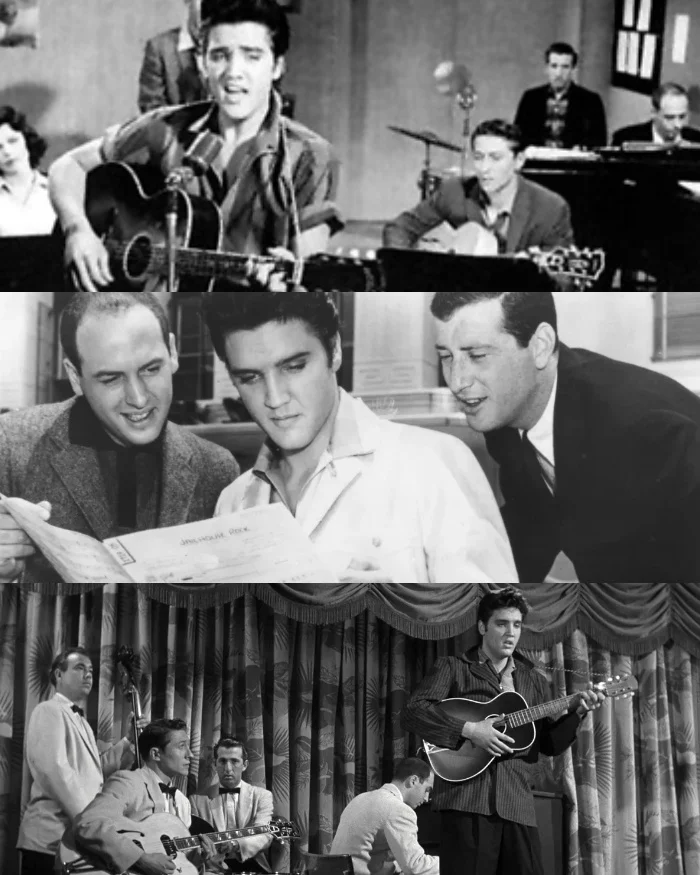
Written by Jerry Leiber, Mike Stoller, and Doc Pomus, the track carried a remarkable songwriting pedigree. Leiber and Stoller had already shaped rock and roll history through songs like “Hound Dog,” “Jailhouse Rock,” and “King Creole,” while Pomus helped craft hits such as “Little Sister” and “His Latest Flame.” Together they gave Presley a ballad that fit his maturing voice and his gift for emotional clarity.
The recording session took place on March 19, 1962, at RCA Studio B in Nashville. Presley was surrounded by elite session players, including Hank Garland on guitar, Bob Moore on bass, D.J. Fontana on drums, and Floyd Cramer on piano. The Jordanaires added gentle harmonies that made the arrangement feel intimate, almost like a private conversation inside a song.
Her lips are warm while yours are cold, release me darling, let me go
That line captures the emotional center of the song. The narrator is not celebrating a new romance. He is confessing that a new presence cannot erase the old one. The lyrics speak to the futility of replacement, and Presley delivers them with a vulnerable steadiness that makes the pain feel honest rather than theatrical.
By 1962, Presley’s career was leaning heavily toward Hollywood, and much of his recorded output was connected to film soundtracks. RCA and Colonel Tom Parker still understood that singles needed to keep him visible on the charts. “She’s Not You” was chosen because its theme was universal, its songwriting was strong, and its emotional delivery matched the kind of performance that could reach both teenagers and older listeners.
The single balanced his public image with grace. Upbeat releases like “Good Luck Charm” showed his playful charm, while this ballad revealed his capacity for romantic sincerity. That range mattered, because it allowed him to remain a star without being trapped in one mood or one style.
Commercially, the song performed strongly. It reached number five on the Billboard Hot 100 in the United States, number 13 on the R and B chart, and number one on the Easy Listening chart. In the United Kingdom, it topped the Singles Chart for three weeks. Those results confirmed that Presley’s ballads could travel as powerfully as his rock and roll records.
Musically, “She’s Not You” blends pop ballad elegance with country warmth and gospel undertones. Floyd Cramer’s piano moves with gentle patience, Hank Garland’s guitar adds restrained color, and the rhythm section keeps time with a soft pulse. The Jordanaires’ background vocals deepen the mood, giving the song a melancholy glow without overwhelming Presley’s lead vocal.
The cultural impact was immediate. The song proved that Presley could interpret loss with maturity, not just youthful longing. It reminded critics and fans that he was not only a dynamic performer but also a sensitive balladeer. Its success also strengthened his reputation as an interpreter of excellent material, especially when writers of Leiber, Stoller, and Pomus caliber were involved.
More than sixty years later, “She’s Not You” endures because it speaks plainly to the experience of loving someone who cannot be replaced. It may not carry the explosive energy of “Little Sister” or the dramatic sweep of “Surrender,” but its emotional honesty gives it lasting resonance. For many listeners, it remains a quiet masterpiece in Presley’s catalog, a tender reminder that heartbreak can be transformed into beauty.