
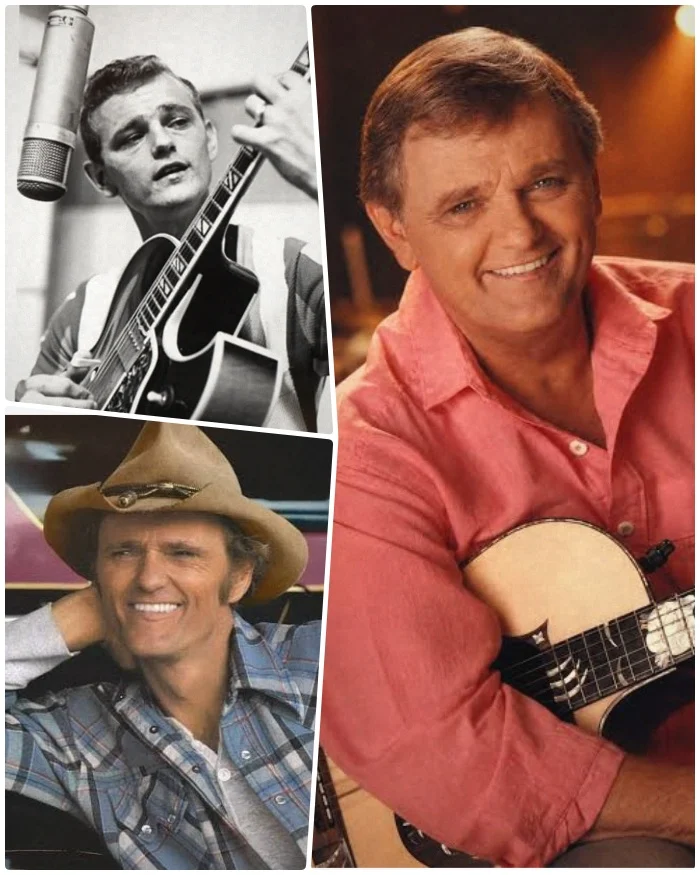
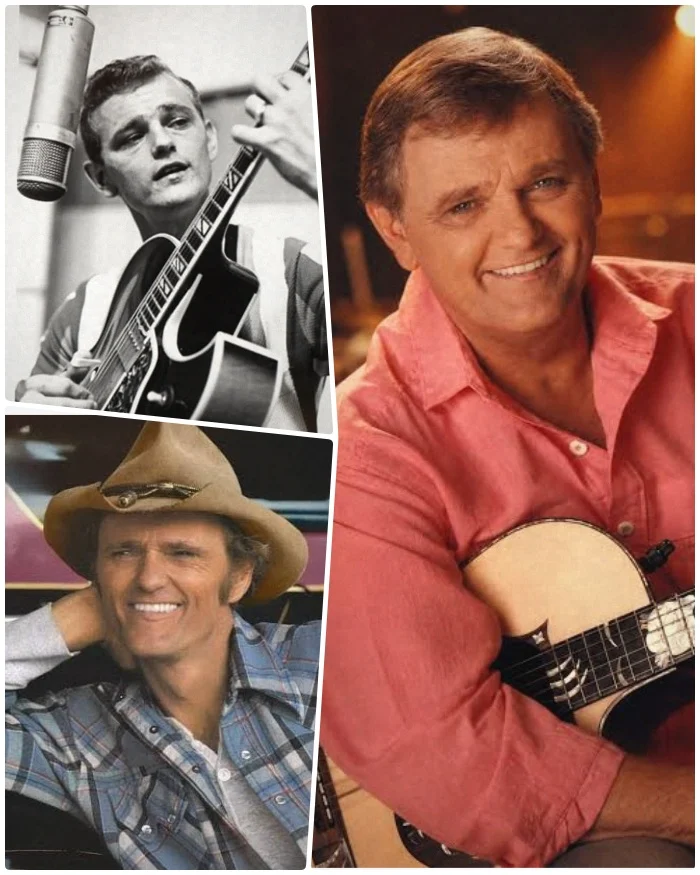
On the afternoon of September 10, 1967, Jerry Reed was fishing on the Cumberland River near Nashville when a call from RCA Studio B pulled him off the water to rescue an Elvis Presley recording session.
Inside the studio, Presley had been trying to cut the song “Guitar Man” by Reed, only to grow frustrated when the veteran Nashville session guitarists could not replicate the syncopated fingerstyle intro on the original record by Reed. Arriving straight from the river in his fishing clothes with a gut string Baldwin guitar, Reed tuned his low strings down, sat in the circle, and locked into the groove on the first pass.
Moved by the energy in the room, Presley recorded “Big Boss Man” by Reed that same night and returned in January 1968 to cut another Reed composition, “U.S. Male,” with Reed again sitting in on guitar until a publishing dispute with the management of Presley ended their studio partnership.
Long before the biggest star in the world needed his right hand to make a record work, that percussive picking style had grown out of seven years of childhood separation in Georgia.
Born Jerry Reed Hubbard on March 20, 1937, in Atlanta, he was four months old when his parents Robert and Cynthia separated. Unable to feed two small children on a single cotton mill wage, Cynthia placed Jerry and his older sister Patsy in Atlanta orphanages and foster homes.
Too young during those seven years to understand the financial reality keeping his mother away, the boy spent nights in foster beds wondering what he had done to be left behind. When Cynthia remarried in 1944 and brought her children home, she bought her seven year old son an inexpensive acoustic guitar and showed him his first chords.
He practiced after school until his fingertips bled. By his teens, he was sweeping floors alongside his mother and stepfather in the Fulton Bag and Cotton Mills, absorbing the loud and rhythmic clatter of the industrial looms that later surfaced in his clawhammer guitar attack.
Atlanta publisher and producer Bill Lowery signed the eighteen year old in 1955 and guided him to his early rockabilly and country release, “If the Good Lord’s Willing and the Creek Don’t Rise.” While working the Atlanta music scene, Reed met singer Priscilla “Prissy” Mitchell, who sang on Lowery demo sessions and later topped the country charts in 1965 with Roy Drusky on the duet “Yes, Mr. Peters.”
Seeking the stable home life he had missed during his years in care, Reed married Mitchell on July 9, 1959, just before serving two years in the United States Army. After his discharge in 1961, the couple settled in Nashville, where Priscilla stepped back from full time touring as they raised two daughters, Seidina and Lottie, both of whom later sang on the records of their father.
In Nashville, Reed found an enduring mentor and close friend in RCA Victor division head Chet Atkins. Signing Reed to RCA in 1965, Atkins produced his solo records and encouraged him to let his rapid fire humor and syncopated guitar work lead the arrangements.
Between 1970 and 1992, Atkins and Reed recorded three collaborative guitar albums, winning the Grammy Award for Best Country Instrumental Performance for Me and Jerry in 1970 and again twenty two years later for Sneakin’ Around in 1992. On his own, Reed was named CMA Musician of the Year in 1970 and 1971, and his 1971 crossover hit “When You’re Hot, You’re Hot” spent five weeks at number one on the country chart while earning a Grammy Award for Best Male Country Vocal Performance.
That same boisterous charm carried him to Hollywood in the 1970s, most notably beside his friend Burt Reynolds as trucker Cledus “Snowman” Snow in the 1977 box office hit Smokey and the Bandit, for which Reed co wrote and sang the signature theme “East Bound and Down.”
Those closest to him, including Atkins and Reynolds, recognized that the nonstop jokes and loud laughter in studios and on film sets served as a protective shield over the quiet wounds of his early childhood. Away from the cameras, his anchor remained his marriage to Priscilla, which lasted forty nine years until his passing on September 1, 2008, nine years before the boy who learned his first chords from a cotton mill worker was inducted into the Country Music Hall of Fame.