
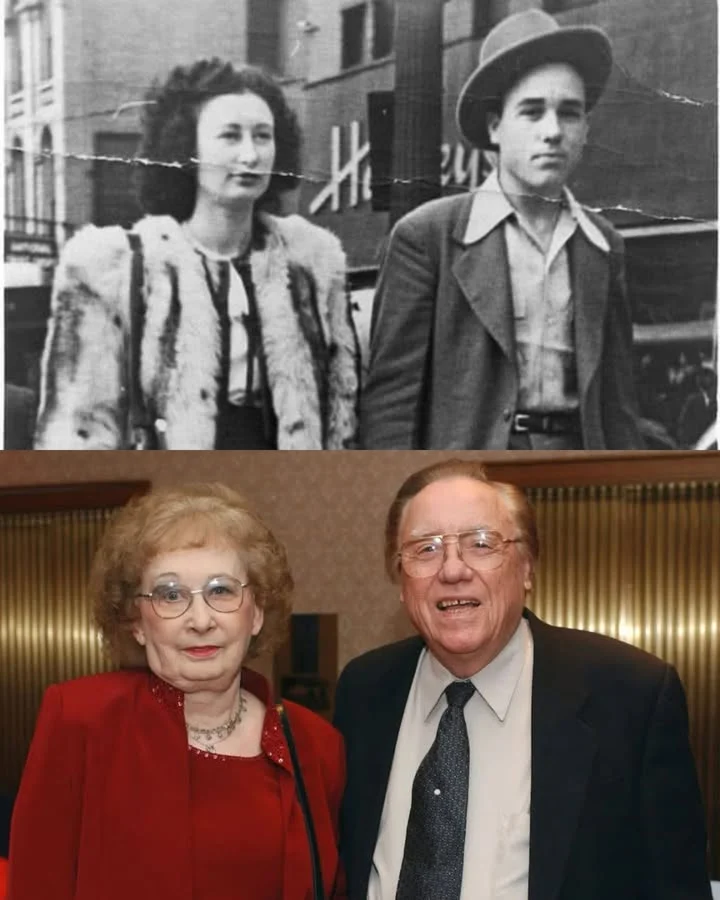
The banjo had not changed. Its route had. In 1955, a weary Earl Scruggs asked his wife to return a single promoter’s call from their home. That small request ignited a fifty-year legacy that would redefine where bluegrass could go—and who could take it there.
Louise Scruggs was no ordinary bookkeeper. Born in rural Tennessee, she understood that precision with numbers could open doors. When she answered that phone, she didn’t just book a show; she started managing the entire operation. By 1956, she was handling Flatt & Scruggs’ payroll, publicity, accounting, and even renegotiating record contracts in an industry dominated by men.
She redrew the map, one phone call at a time.
Louise didn’t just organize existing work; she expanded it. While many bluegrass acts stayed within regional radio circuits, she pursued college audiences, folk festivals, and major concert halls. She secured the band’s spot at the 1959 Newport Folk Festival, a move that connected their sound to a young, northern revivalist crowd. This led to opportunities like The Beverly Hillbillies, whose theme song introduced Earl’s banjo to millions of homes worldwide.
Her vision extended beyond venues. Louise championed album covers with oil-painted art and wrote liner notes that presented the musicians as serious artists, not rural novelties. Albums like Folk Songs of Our Land spoke directly to the folk market while honoring their roots. When she pushed for a live recording at Carnegie Hall, the record company hesitated; Louise saw an artifact that would cement their legacy.
After Flatt & Scruggs separated in 1969, Louise managed the transition to the Earl Scruggs Revue, connecting his music with younger artists and audiences. Her work remained largely invisible—a completed payroll or a well-negotiated contract leaves no audible trace—but it shaped every note audiences heard.
Louise Scruggs became country music’s first major female manager and booking agent. Her legacy now lives on through the Country Music Hall of Fame forum in her name. Yet her most fitting monument is the journey from a roadside phone booth to the world’s most prestigious stages.
Video