
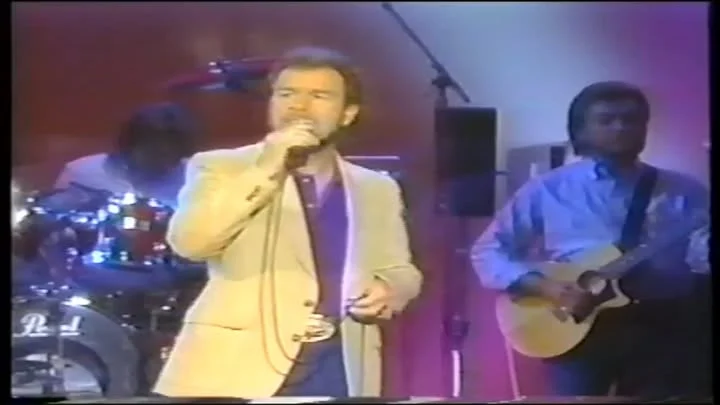
There is a moment in every heartbreak when the weight of a bad goodbye feels like the end of the world. The radio plays another sad song, and the tears seem endless. But then a voice cuts through the gloom, gentle yet firm, suggesting something different. That voice belongs to Gene Watson, and the song is “Don’t Waste It On The Blues”. It is not a song that pretends pain does not exist. Instead, it offers a hand to pull you out of the darkness, reminding you that the sun will rise again even after the longest night.
The story of this classic country gem begins long before it reached the airwaves. Songwriters Jerry Vandiver and Sandy Ramos crafted a lyric that speaks directly to anyone who has ever felt stuck in sorrow. They understood that a broken heart can feel like a permanent home, but they also knew that staying there was a choice. When Gene Watson first heard the song, he recognized its quiet power. His smooth baritone, seasoned by years of singing about life’s ups and downs, was the perfect vessel for such a tender yet hopeful message.
Released in November 1988, “Don’t Waste It On The Blues” became the lead single from Watson’s album Back in the Fire. The timing felt right. The late eighties were a period when country music was shifting, but Watson remained a steady presence, grounded in traditional sounds. The song climbed to number five on the Billboard Hot Country Singles & Tracks chart, proving that audiences were hungry for authenticity. It was a reminder that even in a rapidly changing genre, the timeless themes of love and loss would always find a home.
Behind the scenes, the production was placed in the capable hands of Billy Sherrill. A legendary figure in country music, Sherrill had shaped the careers of icons like George Jones and Tammy Wynette. He knew how to create a sound that was both polished and raw. The arrangement he crafted for this song is deceptively simple. A gentle acoustic guitar sets the pace, while the pedal steel weeps softly in the background. The steady drumbeat provides a comforting anchor, and Watson’s vocals float above it all with a warmth that feels like a familiar embrace.
What truly sets “Don’t Waste It On The Blues” apart is its message. The lyrics acknowledge the sting of a bad breakup with lines that cut deep, but they never let the listener drown in despair.
“I know there’s nothing worse than a bad goodbye”
is a moment of shared understanding, yet the song quickly pivots to action.
“Save those tears for a rainy day”
is not about suppressing emotion but about reserving strength for what comes next. Time, the song reminds us, is precious, and a broken heart is only one chapter in a longer story.
Watson delivers these words with a delicate balance of weariness and resolve. He has lived in these songs, and his voice carries the weight of experience. There is a quiet optimism in his phrasing, a sense that even if moving on feels impossible, it is also inevitable. The production mirrors this emotional journey. The gentle rise and fall of the melody, the subtle swell of the steel guitar, all of it works together to create a sense of forward motion. This is not a song to cry along with in the dark. It is a song to play when you are ready to face the world again.
The impact of “Don’t Waste It On The Blues” extends far beyond its chart position. For many listeners, it became an anthem of resilience. It gave permission to feel the pain without being defined by it. In a genre often associated with wallowing in sorrow, this song stood out as a breath of fresh air. It did not dismiss heartache or pretend it was easy to move on. Instead, it offered a gentle nudge in the right direction, a reminder that the blues are temporary if you let them be.
Decades later, the song remains a beloved classic. Its message feels just as relevant today as it did in 1988. In a world that often feels chaotic and overwhelming, the simple wisdom of not wasting your tears on something that does not deserve them resonates deeply. Gene Watson’s voice, with its rich tone and understated power, continues to comfort and inspire. “Don’t Waste It On The Blues” is more than a country song. It is a lesson in grace, a testament to the human spirit, and a gentle reminder that after every storm, the sky clears.
So the next time you find yourself stuck in a moment of sadness, remember the words of this timeless track. Let the music wash over you, and take a lesson from Gene Watson. Feel what you need to feel, but do not unpack and stay there. The sun is waiting, and there is so much life still to live.