
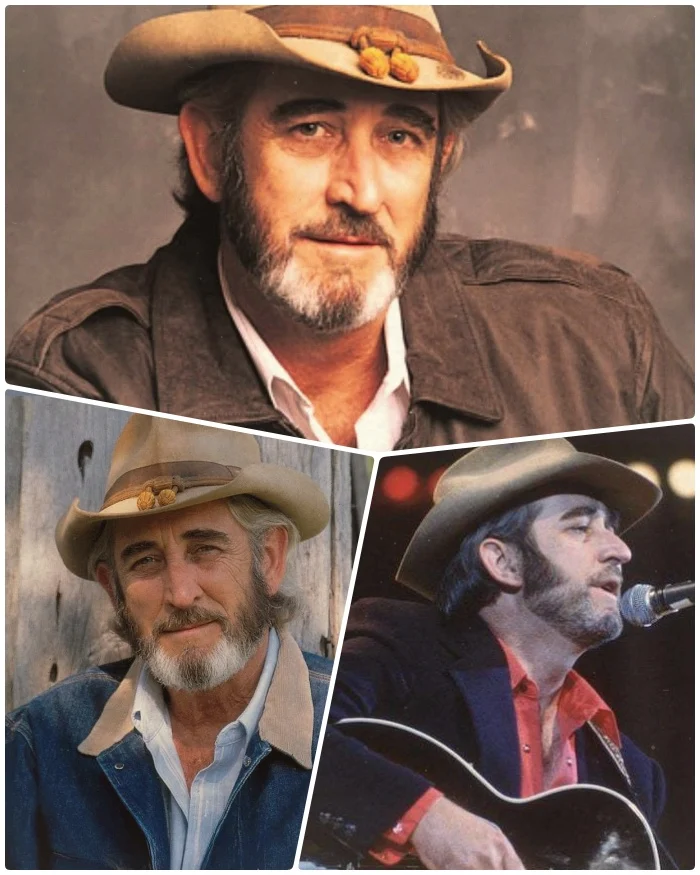
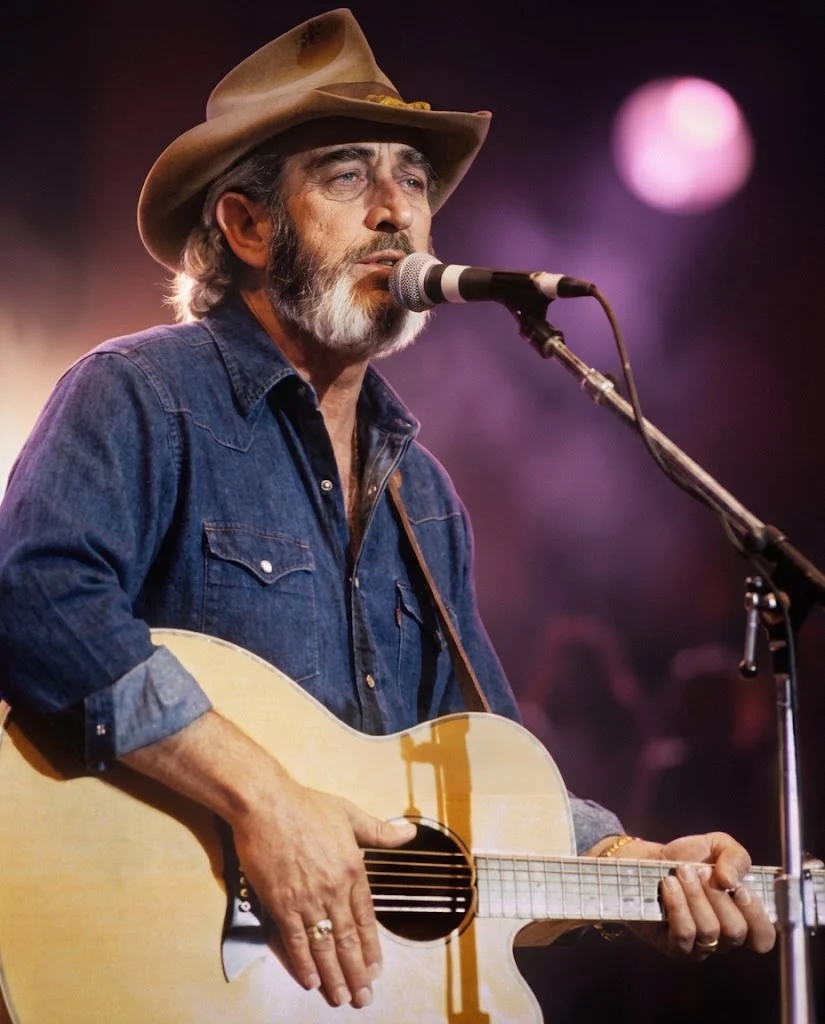
There was no stadium farewell, no televised final concert and no multi year victory lap. In March 2016, Don Williams ended a career spanning six decades with a brief and perfectly understated announcement that felt almost out of place in an era of grand finales. The beloved Gentle Giant was retiring, and after more than fifty years of touring, recording and entertaining millions, he simply told his driver to park the bus for good.
Hang my hat up
That simple phrase carried the full weight of his decision. Williams had built a permanent legacy on quiet dignity, and his exit matched the man longtime listeners thought they knew. He had never chased the frantic and roaring side of fame, and he was not about to pretend otherwise at the end of the road.
Across his career he collected 17 Billboard Country No. 1 hits while country music moved toward pop crossover spectacles during the 1980s and 1990s. Williams refused to alter his approach. Songs including Tulsa Time and I Believe in You and Good Ole Boys Like Me never depended on vocal gymnastics or heavy production. They rested on a rumbling baritone that felt like a steady and honest conversation across a kitchen table.
By his induction into the Country Music Hall of Fame in 2010, his audience reached far beyond the United States. He had become a major international star, yet he treated worldwide fame with the same mild mannered humility he might have brought to a local weekend performance.
A Stool, A Guitar And A Hat That Meant Something
His stage presence was as stripped down as his singing. While other performers constructed elaborate multi level sets, Williams could command an arena with a wooden stool, a worn acoustic guitar, a cup of coffee and his signature Stetson. The hat was never a manufactured costume. It symbolized a steady and unwavering presence in a genre that kept changing its sound and appearance.
When he spoke about hanging it up, listeners could picture a weary cowboy entering a quiet cabin after a long ride and setting a worn hat on a peg, knowing the work was fully done. Williams was not merely leaving a stage. He was protecting the life he had spent decades singing about.
He traded the relentless schedule of the road for his farm in Ashland City, Tennessee, and gave his remaining time to Joy, his wife of nearly six decades. The eighteen months after retirement became a fiercely guarded sanctuary. Fans naturally wondered how the legend was spending his days, but his family kept his peace unbroken by the demands of the industry.
Privacy Guarded Until The Final Breath
Behind the farm gates, Williams was privately battling emphysema. His family issued no public health updates and refused to allow his physical decline to become daily headline news. They allowed no final interviews, no cameras on the property and no industry visitors hoping for one last collaboration. The boundary was not drawn from fear. It was drawn from deep respect.
He spent his final days as he wished, sitting quietly, breathing Tennessee air and surrounded by his children and the woman who had stood beside him since before the world knew his name. News of his passing arrived on September 8, 2017, only after the 78 year old singer was already gone. His family had protected his dignity to the last breath and ensured that his departure remained as peaceful as the melodies he had sung for a lifetime.
The music world mourned, yet his farewell carried little sense of unfinished business. He had completed his work, said what he needed to say and made it home before the sun went down. The stage he left remains empty, but for an artist whose greatest gift was quiet steadiness, even the silence he left behind still sounds unmistakably like him.