
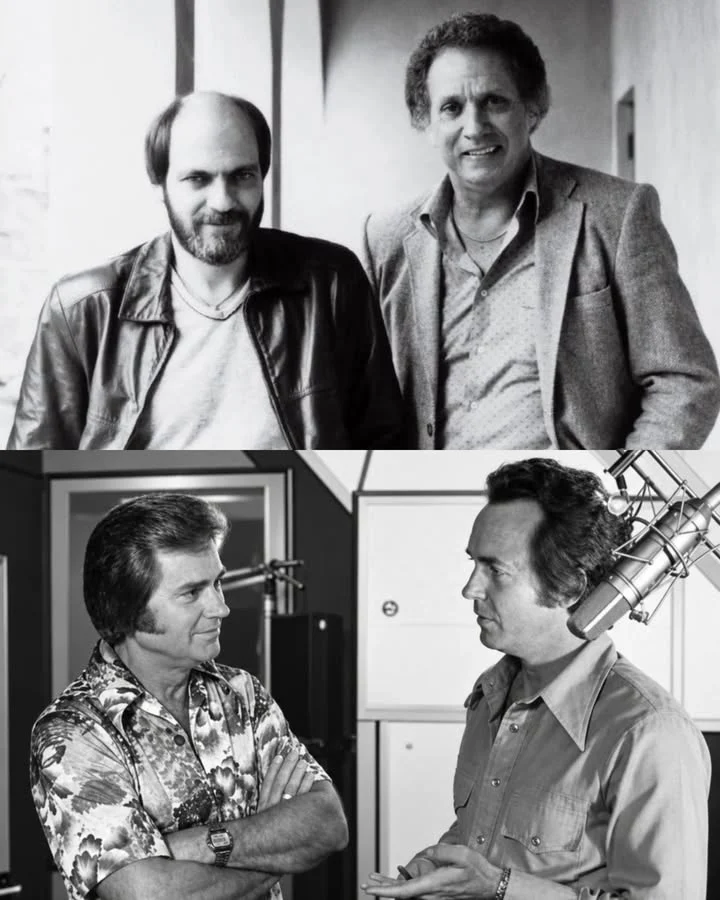
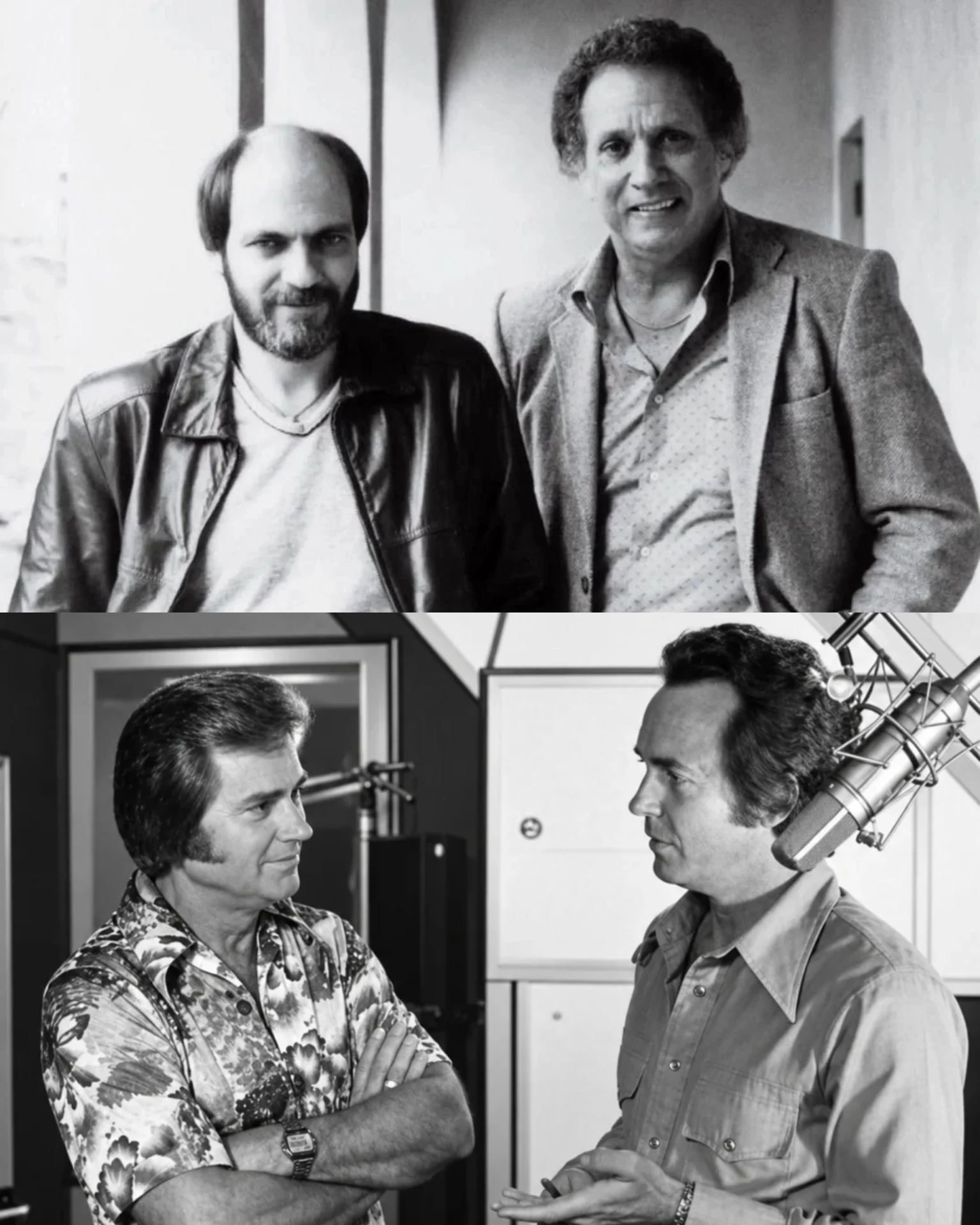
George Jones believed the finished record was too morbid for radio yet it became the recording that rescued his career and restored his name to the center of country music.
Released in April 1980 He Stopped Loving Her Today gave Jones his first No. 1 solo single in six years and his first million seller after a long and painful slide.
Nothing about its creation felt certain or simple. Behind the final performance sat an inch-thick notebook carried by producer Billy Sherrill and filled with version after version of the same unfinished song.
Songwriters Bobby Braddock and Curly Putman began with one plain and devastating idea about a man who keeps loving one woman until the day he dies.
Turning that idea into a finished lyric proved far harder than expected because the ending could not be revealed too soon.
Verses were written and thrown away and rewritten again across more than a year while Sherrill kept the changing drafts close at hand and refused to abandon what he heard inside them.
An earlier version had already reached Johnny Russell without becoming a hit which only deepened the sense that the song still had not found its proper shape or voice.
Then Sherrill took it to George Jones and Jones was not convinced.
By the late 1970s his life and career were in serious trouble with addiction and missed concerts and financial problems closing in around one of the greatest voices country music has ever known.
A song built around death hardly looked like an obvious road back and Jones struggled with the recording itself.
He kept slipping into the melody of Kris Kristofferson’s “Help Me Make It Through the Night” and repeatedly lost the tune he was supposed to be singing.
He could sing while drinking but speaking clearly was another matter
The sessions stretched across months and the hardest moment was not even sung. Near the end Jones had to speak four lines of narration and Sherrill repeatedly needed him sober enough to deliver those lines clearly.
The full process took roughly eighteen months from struggle to finished record and even then Jones remained doubtful about what they had made.
He feared the story was too dark and too centered on death for radio success yet Sherrill held his ground.
The response changed everything. Braddock and Putman won CMA Song of the Year in both 1980 and 1981 and Jones won a Grammy for his performance.
Today the recording sounds almost inevitable in his voice as if no other singer could have carried its sorrow so completely.
That feeling was earned through discarded verses and failed versions and months of difficult work and a producer unwilling to let go.
The notebook mattered because it held every wrong turn the song had taken before the right version finally emerged and George Jones made heartbreak sound timeless.